Here is why you should visit Joshua Tree, where nature weaves a spellbinding tale of beauty and adventure:
Advertisement
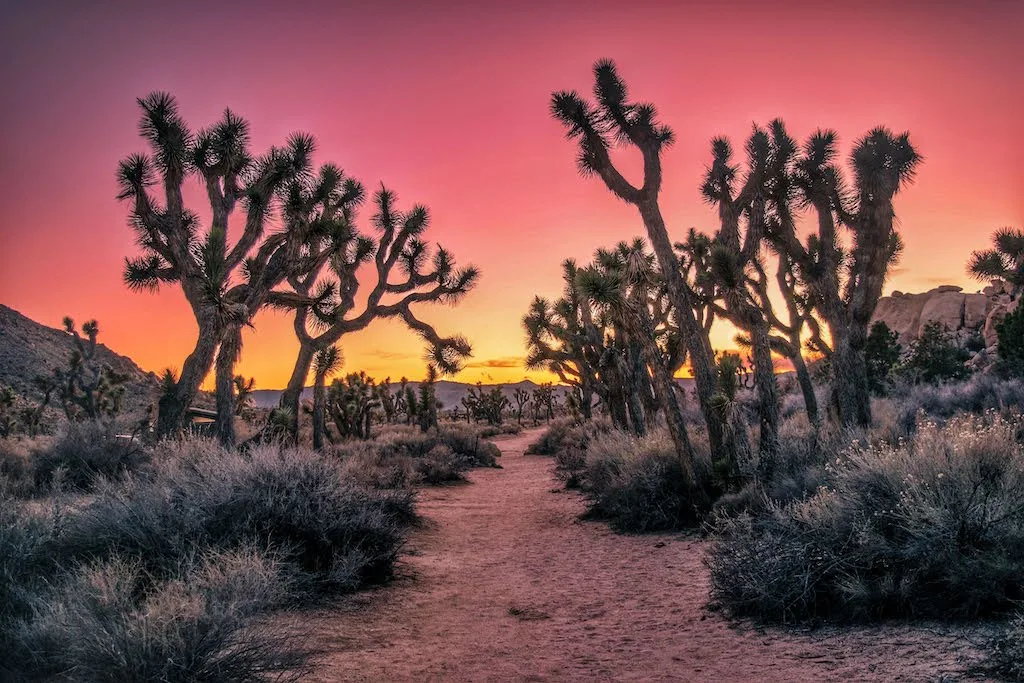
Otherworldly Landscapes: Behold the surreal beauty of Joshua trees standing sentinel against vibrant sunrises and starlit deserts. Traverse sculpted rock formations, explore hidden canyons, and immerse yourself in the boundless expanse of the Mojave and Colorado Deserts.
Stargazing Paradise: Escape the glow of city lights and be mesmerized by the Milky Way’s dazzling spectacle. With millions of stars overhead, Joshua Tree boasts one of the darkest night skies in the lower 48 states. Camp beneath the cosmic canopy and rediscover the wonder of the universe.
Advertisement
Adventure Playground: Conquer challenging boulders, follow ancient trails, and summit scenic peaks like Skull Rock and Ryan Mountain. Rent off-road vehicles to explore hidden tracks or test your balance on unique rock formations like Arch Canyon.
Creative Oasis: A haven for artists and musicians, Joshua Tree’s raw beauty and isolation inspire creativity. Explore quirky art galleries, enjoy live music under the stars, or join art workshops to unleash your inner artist.
Image Credits: Back Road Ramblers
Historical Whispers: Unearth ancient petroglyphs left by indigenous tribes, explore pioneer homesteads, and encounter abandoned mines that echo a bygone era. Feel the whispers of history resonating through the timeless desert landscape.
Whether seeking adventure, serenity, or artistic inspiration, Joshua Tree beckons explorers, artists, and nature lovers to bask in its magic—a place where the extraordinary becomes the everyday.
Are Joshua trees in Israel?
Joshua trees, recognized by their spiky silhouettes, are exclusive to North America’s Mojave Desert.
Originating in the southwestern United States and northwestern Mexico, they don’t grace the landscapes of Israel.
In Israel, the iconic trees are olives, dates, and acacias, contributing to the distinctive character of the region’s flora.

Leave a Reply