
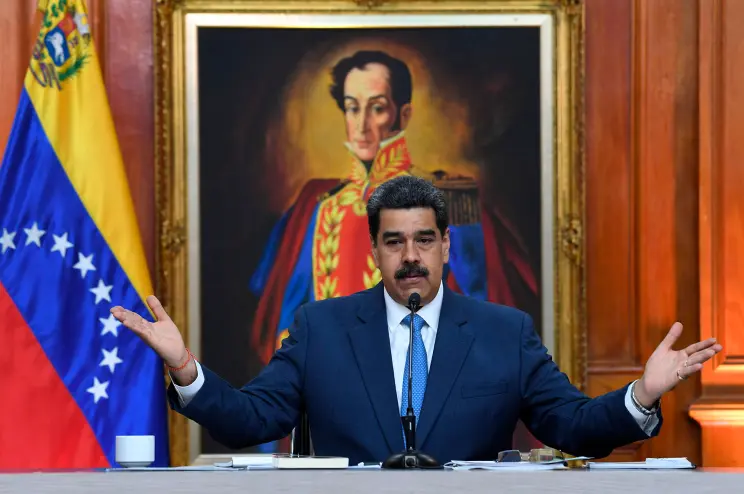
Nicolás Maduro Moros, the president of Venezuela since 2013, has been a polarizing figure in global politics. From his humble beginnings as a bus driver to his current position of power, Maduro’s journey is as unconventional as it is controversial. This article seeks to explore the factors that have allowed him to maintain his grip on the presidency, shedding light on the intricacies of Venezuelan politics.
Advertisement
A Political Journey:
Maduro’s ascent to power began when he was elected to the National Assembly in 2000, following a career that saw him transition from a bus driver to a trade union leader. However, the turning point came in 2013 when a special presidential election was held. Maduro, running as the candidate of the United Socialist Party of Venezuela, secured victory with 50.62% of the vote.
Rule by Decree:
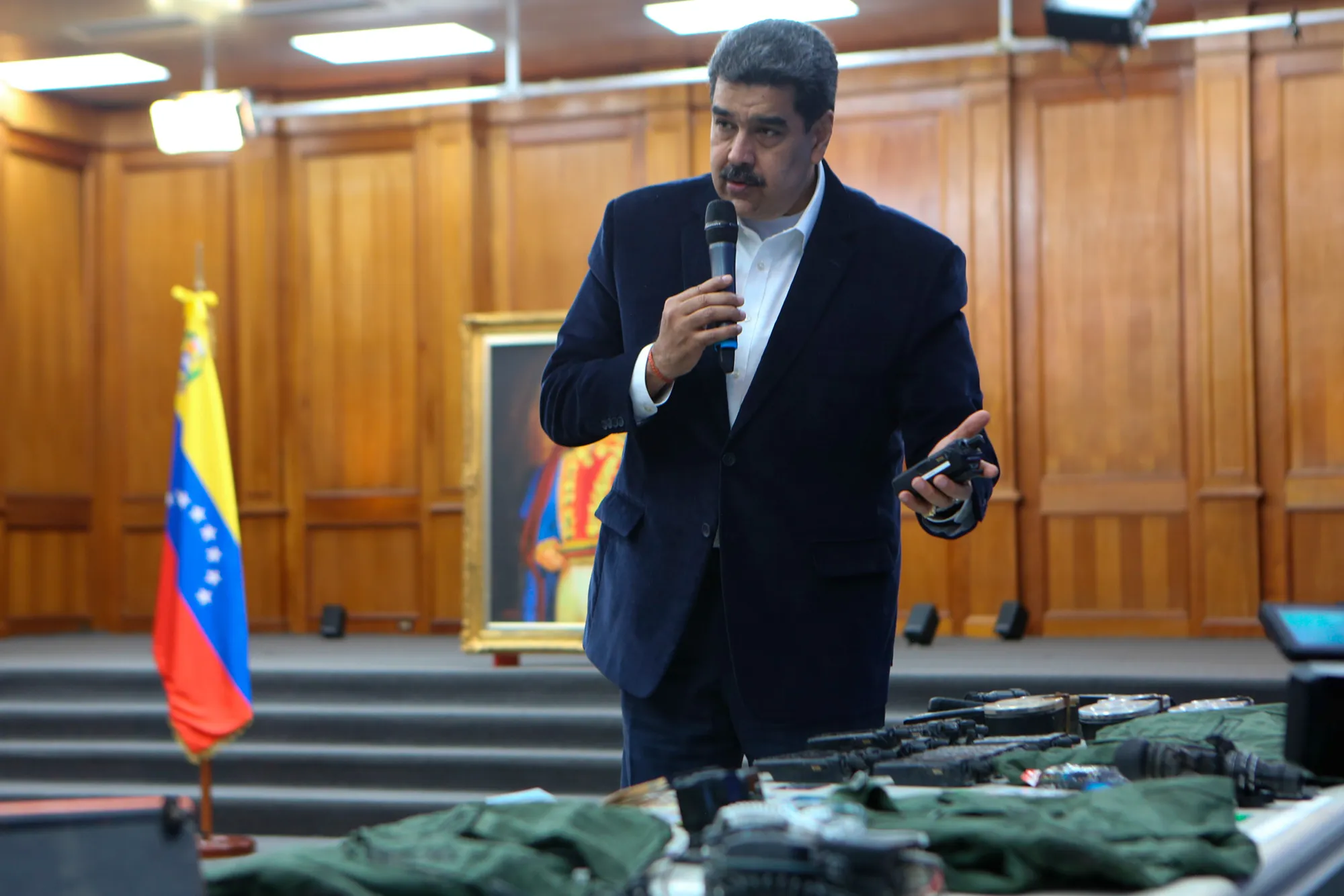
One key factor contributing to Maduro’s longevity in power is his ability to rule by decree, a practice he has exercised since 2015. These expanded powers were granted to him by the ruling party legislature, allowing him to enact policies and make decisions without the need for approval from other branches of government. This concentration of power has been a source of contention, with critics arguing that it undermines democratic principles.
Advertisement
Political Landscape and International Relations:
Venezuela’s political landscape is complex, with deep-rooted ideological and economic divisions. Maduro has navigated this terrain by consolidating support within the United Socialist Party of Venezuela and maintaining the loyalty of key military figures. Additionally, international alliances, particularly with countries like Russia and China, have provided him with economic and diplomatic backing, bolstering his resilience in the face of external pressures.
Economic Challenges and Social Programs:
Despite facing economic challenges, including hyperinflation and a decline in oil production – a significant revenue source for Venezuela – Maduro has managed to stay in power by implementing social programs that appeal to his political base. These programs, often targeted at low-income communities, have garnered support from segments of the population, contributing to his political longevity.
Challenges and Controversies:
Maduro’s presidency has not been without its share of controversies. Accusations of human rights abuses, electoral irregularities, and restrictions on political opposition have drawn international criticism. However, his ability to withstand these challenges can be attributed to a combination of domestic support, strategic alliances, and a firm grip on key institutions.
The question of why Nicolás Maduro Moros is still in power is complex and multifaceted. His political journey, marked by a blend of grassroots support, strategic alliances, and the consolidation of power, has enabled him to weather domestic and international challenges. As Venezuela continues to grapple with economic hardships and political unrest, understanding the dynamics that have kept Maduro in power is crucial for those seeking insights into the intricacies of the nation’s political landscape.
Leave a Reply