

The estate of the late George Carlin has taken legal action against Dudesy, the media company responsible for a faux hourlong comedy special claiming to use artificial intelligence to replicate the iconic comedian’s style and material. Filed in federal court in Los Angeles on Thursday, the lawsuit seeks an immediate takedown of the audio special titled “George Carlin: I’m Glad I’m Dead,” where an AI-generated synthesis of Carlin, who passed away in 2008, provides commentary on current events.
Advertisement
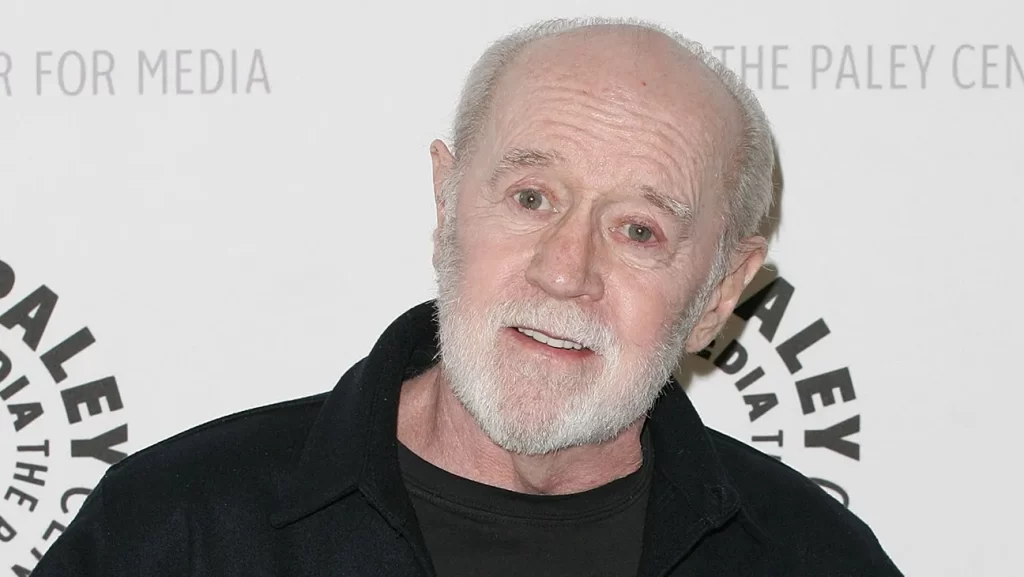
Carlin’s daughter, Kelly Carlin, issued a statement expressing her disdain for the work, describing it as “a poorly-executed facsimile cobbled together by unscrupulous individuals to capitalize on the extraordinary goodwill my father established with his adoring fanbase.” The lawsuit, brought forth by the Carlin estate and executor Jerold Hamza, alleges violations of Carlin’s right of publicity and copyright. The defendants include Dudesy and podcast hosts Will Sasso and Chad Kultgen.
Advertisement
According to the lawsuit, none of the defendants had permission to use Carlin’s likeness for the AI-generated special, nor did they possess a license to use any of the late comedian’s copyrighted materials.
At the outset of the special, posted on YouTube on Jan. 9, a voiceover, purportedly the AI engine used by Dudesy, claims to have mimicked Carlin’s voice, cadence, attitude, and chosen subject matter based on the comedian’s 50 years of material. The plaintiffs argue that if this is indeed how it was created, Carlin’s copyright was violated.
The lawsuit represents one of the initial legal challenges against the increasing use of artificial intelligence to reproduce celebrity images and likenesses. The AI aspect was a significant point of contention during the resolution of last year’s Hollywood writers and actors strikes.
Attorney Josh Schiller, representing the plaintiffs, emphasized that the “case is not just about AI, it’s about the humans that use AI to violate the law, infringe on intellectual property rights, and flout common decency.” As the legal landscape adapts to emerging technologies, this lawsuit may set a precedent in addressing the ethical and legal implications of AI-generated content, particularly when it involves the likeness and intellectual property of deceased celebrities.
Leave a Reply