

Unveiling the Safety Profile of Buprenorphine: A Beacon of Hope in Opioid Treatment
In the realm of opioid treatment, one name stands out for its distinct approach to addressing addiction—Buprenorphine. Renowned for its efficacy in treating opioid use disorder (OUD), acute pain, and chronic pain, Buprenorphine not only provides relief but also boasts a safety profile that sets it apart from traditional opioids.
Advertisement
The Unique Mechanism:
Buprenorphine’s safety lies in its distinctive mechanism of action. Unlike full-opioid agonists such as morphine and fentanyl, Buprenorphine engages with mu-opioid receptors with high-affinity binding and slow-dissociation kinetics. This unique interaction results in milder and less uncomfortable withdrawal symptoms for patients, making it a safer alternative in the spectrum of opioid medications.
Mitigating the Risks:
While Buprenorphine is classified as an opioid medicine, its safety measures extend beyond its mechanism of action. Understanding the risks associated with any medication is crucial. Buprenorphine can potentially cause life-threatening breathing problems, a concern shared with other opioids. However, what distinguishes Buprenorphine is the strategic approach to mitigating these risks.
Gradual Withdrawal: The Key to Success:
Advertisement
Abrupt cessation of opioid medications often triggers severe withdrawal symptoms, posing a risk to patients’ well-being. Buprenorphine addresses this challenge by advocating for a gradual withdrawal process. Patients are advised not to stop taking it suddenly, and healthcare providers play a pivotal role in guiding individuals through a carefully managed tapering process. This step-by-step approach minimizes the risk of withdrawal-related complications.
Naloxone Integration: A Safeguard Against Misuse:
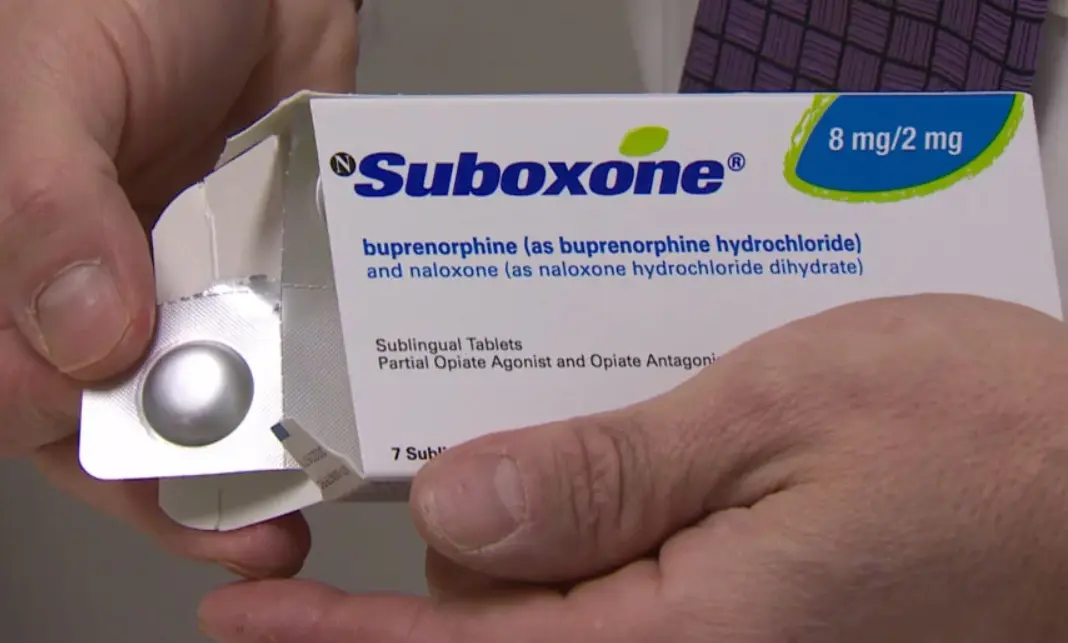
In formulations like Suboxone, Buprenorphine joins forces with naloxone, adding an extra layer of safety. Naloxone, an opioid receptor antagonist, discourages the misuse of Buprenorphine. Should an individual attempt to misuse the medication by injecting it, naloxone’s presence can precipitate opioid withdrawal, acting as a deterrent against misuse.
Patient-Centered Care: A Pillar of Safety:
The safety of Buprenorphine is further solidified by its integration into a comprehensive treatment approach. Patient-centered care, where healthcare providers engage with individuals to tailor treatment plans based on their unique needs, ensures that the medication is administered in a manner that prioritizes safety and efficacy.
A Safer Tomorrow with Buprenorphine:
As we navigate the complex landscape of opioid treatment, Buprenorphine emerges as a beacon of hope. Its safety profile, shaped by a nuanced mechanism of action, gradual withdrawal strategies, and strategic formulations, positions it as a transformative force in the fight against opioid addiction. With each carefully administered dose, individuals find not just relief but a safer path toward recovery—a testament to the enduring commitment to their well-being.
Leave a Reply