

Berlin, the vibrant capital of Germany, is a city steeped in history, culture, and innovation. Yet, despite its significance and the opening of the new Berlin Brandenburg Airport (BER), Lufthansa, one of Germany’s largest airlines, has not established a major hub there. Let’s explore the reasons behind this curious absence.
Advertisement
To understand Lufthansa’s position, we must delve into history. During World War II, Berlin was heavily bombed and divided by the infamous Berlin Wall during the Cold War. These events significantly disrupted air travel infrastructure and operations. After reunification in 1990, Berlin faced challenges in rebuilding its aviation sector.
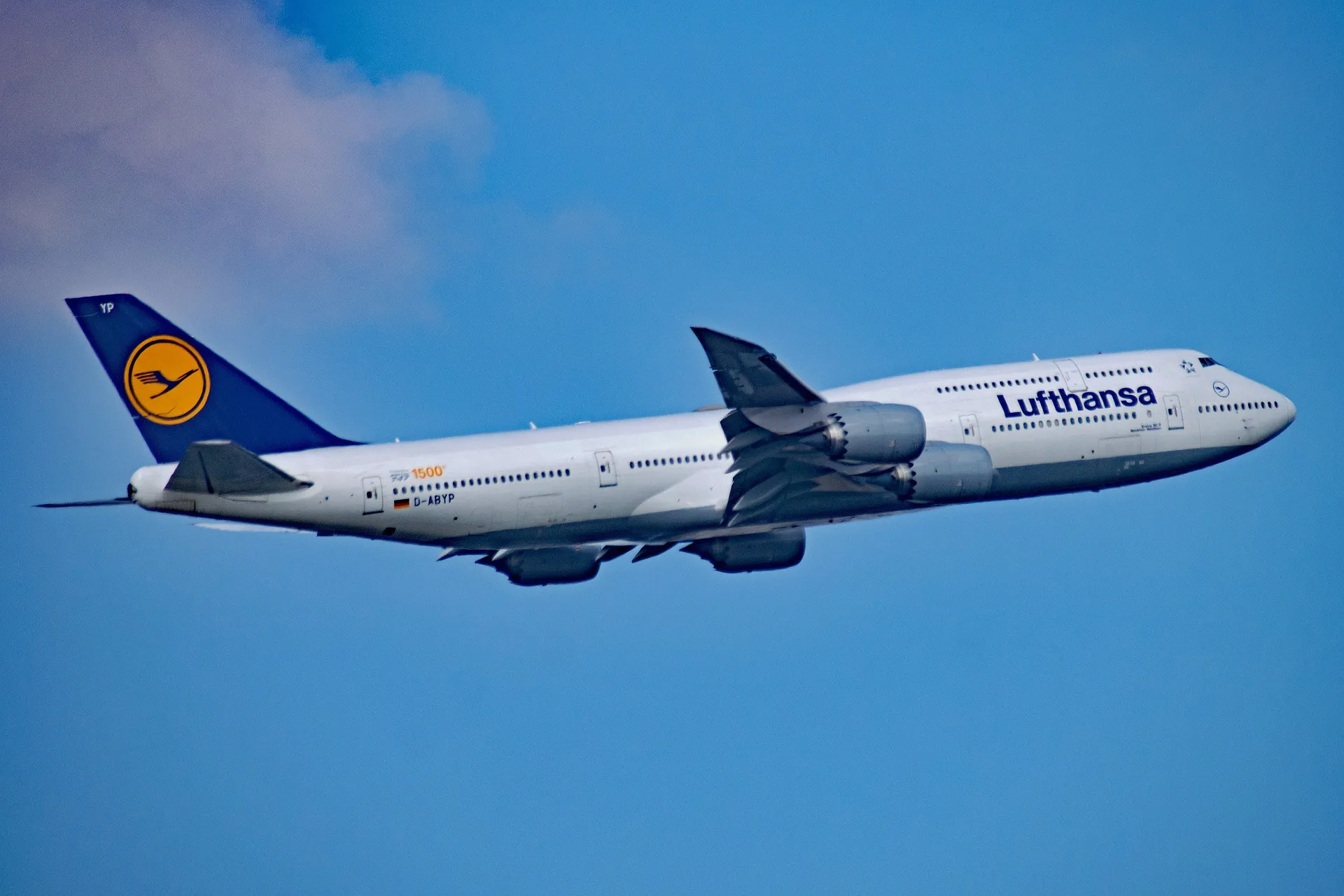
Existing Hubs
Lufthansa already operates major hubs in Frankfurt (FRA) and Munich (MUC). These hubs serve as crucial international gateways for the airline. Both cities have well-established infrastructure, extensive flight networks, and strong business ties. Expanding to Berlin would mean competing with these existing hubs.
Advertisement
Air Berlin Legacy
Air Berlin, once a prominent German airline, had made Berlin one of its prime locations. However, after Air Berlin’s bankruptcy, Eurowings (a subsidiary of Lufthansa) took over many of Air Berlin’s routes. While this indirectly connects Lufthansa to Berlin through Eurowings, it doesn’t constitute a full-fledged hub.
Low-Cost Competition
EasyJet stepped in to fill the void left by Air Berlin on short and medium-haul routes. As a low-cost carrier (LCC), EasyJet focuses on price-sensitive travelers. Lufthansa would find it challenging to compete with EasyJet’s cost structure while maintaining its premium service.
Long-Haul Considerations
Berlin’s local government offered subsidies to attract long-haul flights after Air Berlin’s collapse. However, Lufthansa declined the offer. Perhaps they are content with their dominance at FRA and MUC and prefer not to dilute their focus by establishing another major hub.
While Lufthansa may not have a dedicated hub in Berlin, it remains connected through Eurowings and other partnerships. The airline carefully weighs economic factors, historical context, and competition when making strategic decisions about hub locations.
Leave a Reply