
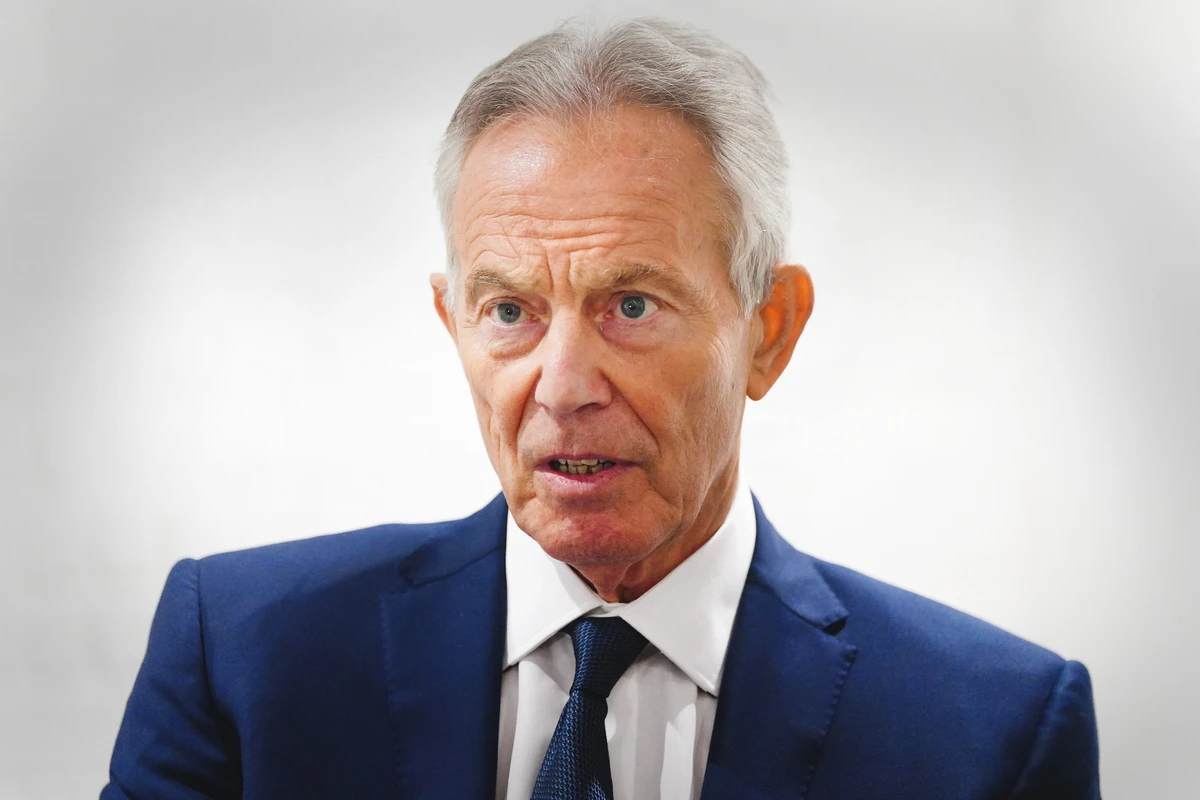
Sir Anthony Charles Lynton Blair, a prominent British politician, served as the Prime Minister of the United Kingdom from 1997 to 2007. His tenure was marked by various accomplishments and challenges, but it was the culmination of factors such as the Blair–Brown pact, the Iraq War, and declining approval ratings that ultimately led to his resignation. In this article, we delve into the circumstances surrounding Tony Blair’s decision to step down from his role as the leader of the Labour Party and the Prime Minister of the UK.
Advertisement
The Blair–Brown Pact:
One of the key elements that contributed to Tony Blair’s departure was the longstanding relationship and understanding known as the Blair–Brown pact. This informal agreement between Blair and his Chancellor of the Exchequer, Gordon Brown, outlined the understanding that Blair would eventually step down, making way for Brown to assume leadership. The expectation was that this transition would take place after Blair’s second term, but as events unfolded, pressure mounted for an earlier departure.
The Iraq War:
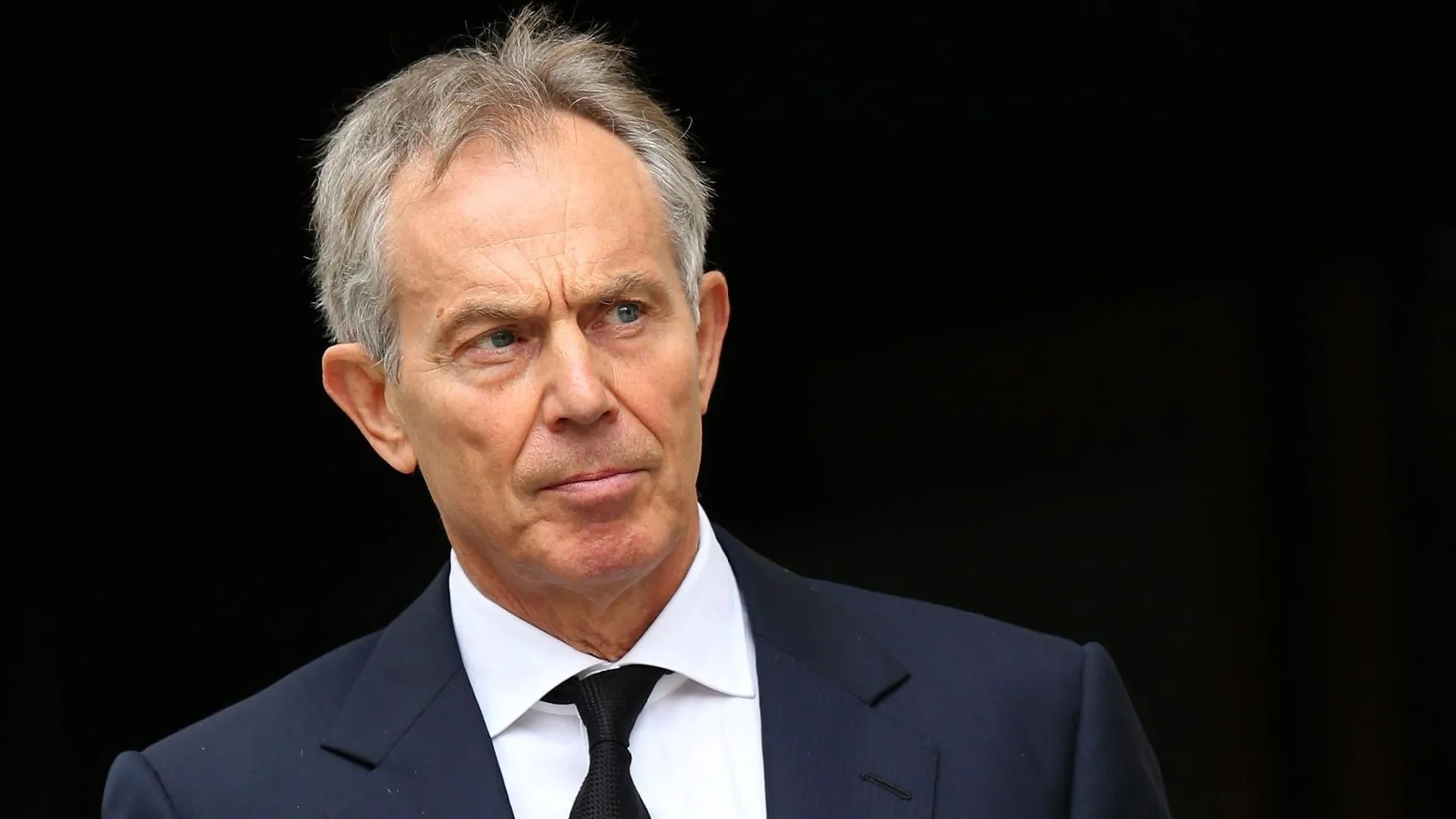
A defining moment in Blair’s premiership was the decision to involve the UK in the Iraq War in 2003. The decision was met with significant controversy, public protests, and a divided opinion both within and outside the Labour Party. The aftermath of the war, coupled with the controversy surrounding the intelligence used to justify military intervention, eroded public trust and contributed to a decline in Blair’s popularity.
Advertisement
Low Approval Ratings:
As Blair’s tenure progressed, his approval ratings began to wane. Public dissatisfaction with government policies, especially those related to the Iraq War, economic issues, and domestic policies, led to a decline in Blair’s popularity. The diminishing support within the electorate and the Labour Party fueled internal dissent and calls for a change in leadership.
Pressure Within the Labour Party:
The combination of the Blair–Brown pact, the Iraq War, and Blair’s decreasing approval ratings created an environment of internal pressure within the Labour Party. Over the summer of 2006, discontent reached a critical point, with many Labour MPs openly criticizing Blair for his handling of various issues, particularly the Israel–Lebanon conflict. The calls for Blair to resign intensified within the party.
Blair’s Decision to Resign:
In light of the mounting challenges and internal dissent, Tony Blair announced his intention to step down as both the leader of the Labour Party and the Prime Minister in 2007. The decision marked the end of a significant political era and paved the way for Gordon Brown to take on the role of Prime Minister.
Tony Blair’s resignation was not the result of a single factor but rather a combination of complex issues, including the Blair–Brown pact, the Iraq War, and declining public support. The pressures within the Labour Party and the need for a change in leadership led Blair to decide to step down. As political historians reflect on this period, Blair’s departure remains a pivotal moment in modern British political history, shaped by both global events and internal dynamics within the Labour Party.
Leave a Reply