
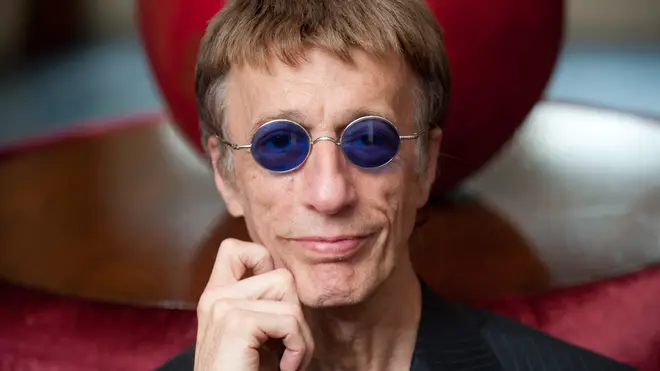
Robin Hugh Gibb, a cornerstone of the iconic Bee Gees trio, faced a tumultuous chapter in his musical journey when he decided to part ways with the group that had garnered worldwide acclaim. The unraveling of harmony within the Bee Gees, culminating in Robin’s departure, marked a pivotal moment in the band’s history.
Advertisement
The Bee Gees initially soared to success in 1967, riding a wave of popularity with Top 20 albums that resonated not only in their native Australia but also in the UK and the US. However, behind the scenes, tensions simmered, and a rift emerged among the band members.
Robin Gibb found himself at odds with the band’s early manager and producer, Robert Stigwood. The crux of the discord lay in Robin’s perception that Barry, his elder brother, was being thrust into the limelight as the primary frontman. Eager to carve his own path and bask in the individual spotlight, Robin made the bold decision to quit the Bee Gees.
Advertisement
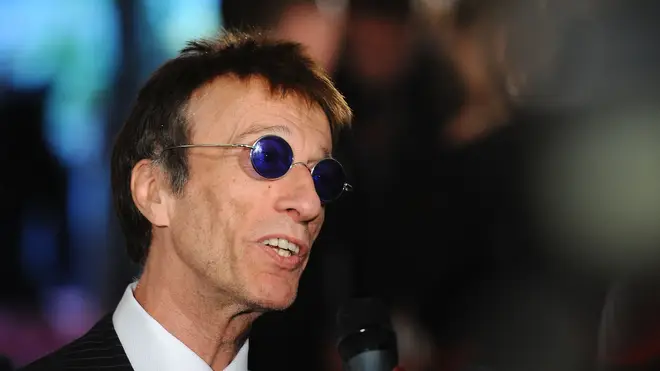
In pursuit of a solo career, Robin left the group in a quest for artistic independence. Undeterred by the departure, Barry and Maurice Gibb, along with drummer Colin Peterson, pressed on with the Bee Gees. In a surprising twist, they even enlisted the temporary musical contributions of their sister, Lesley Gibb.
The last recording session featuring Robin Gibb took place in February 1969, signifying the end of an era for the original Bee Gees lineup. Robin’s final performance with the group occurred on prominent platforms like The Tom Jones Show and Top of the Pops before he bid farewell.
While Robin embarked on his solo endeavors, the Bee Gees, now a duo, persevered and eventually achieved unparalleled success. Robin’s departure marked a moment of transformation for both the individual members and the collective legacy of the Bee Gees, underscoring the complexities that often accompany creative collaborations.
Leave a Reply