
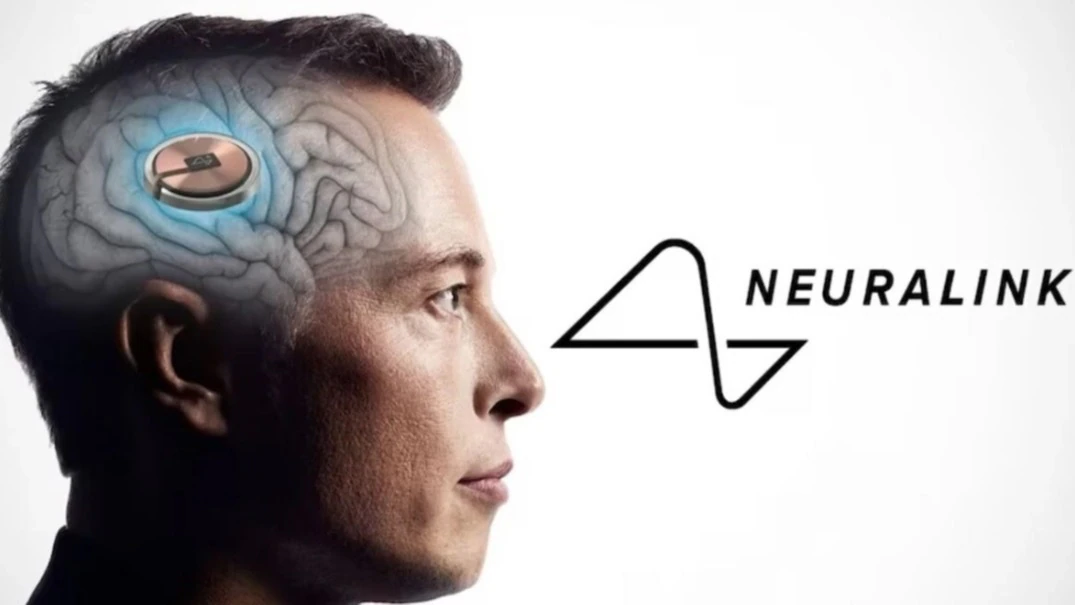
If you are interested in the future of human-computer interaction, you may have heard of Neuralink, a company that is developing a brain-computer interface that could enable people to control devices with their thoughts. But who invented Neuralink and who built it?
Advertisement
Neuralink was founded in 2016 by Elon Musk, the visionary entrepreneur behind SpaceX, Tesla, and X (formerly Twitter). He was joined by a founding team of seven scientists and engineers who had expertise in neuroscience, biochemistry, and robotics.
Their goal was to create a device that could connect human brains directly to computers, allowing for faster and more efficient communication, as well as potential applications in treating neurological disorders and enhancing human capabilities.

The trademark “Neuralink” was purchased from its previous owners in January 2017, and the company was first publicly reported in March 2017. Since then, Neuralink has hired several high-profile neuroscientists from various universities and received $158 million in funding (of which $100 million was from Musk) as of July 2019.
Advertisement
The company has also developed a “sewing machine-like” device that can implant very thin and flexible threads into the brain, each containing 1,024 electrodes that can record and stimulate neural activity. The device is called “the Link” and it is surgically embedded under the skull, where it receives information from the threads that fan out into different regions of the brain.
Neuralink claims that its technology could enable people with paraplegia to regain movement, restore vision to those born blind, enhance memory and cognition, and even merge with artificial intelligence.
The company has demonstrated its system on rats and pigs and has received approval for human trials in the United States as of May 2023. However, Neuralink has also faced criticism for its ethical implications, such as the potential risks of hacking, privacy, consent, and animal welfare.
Leave a Reply