
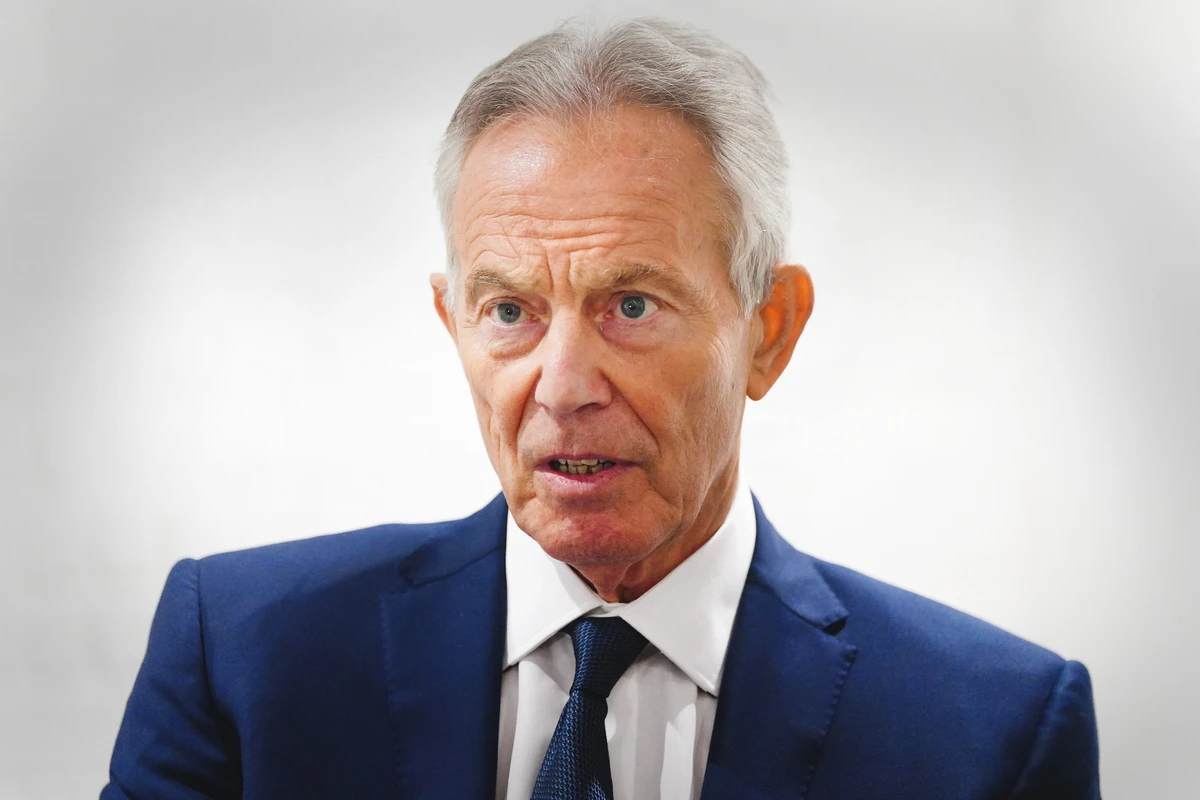
Sir Anthony Charles Lynton Blair, a prominent British politician, is widely recognized for his significant role as the Prime Minister of the United Kingdom from 1997 to 2007. As one of the longest-serving Labour Party leaders, Blair’s tenure marked a transformative period in British politics. In this article, we delve into the historical transition of power, exploring who Tony Blair succeeded as Prime Minister.
Advertisement
The transition of Power in 1997:
Tony Blair’s journey as the leader of the United Kingdom began on May 2, 1997, when he accepted an invitation from Queen Elizabeth II to form a government. This pivotal moment marked the end of the Conservative Party’s leadership under John Major and the beginning of Blair’s era at 10 Downing Street.
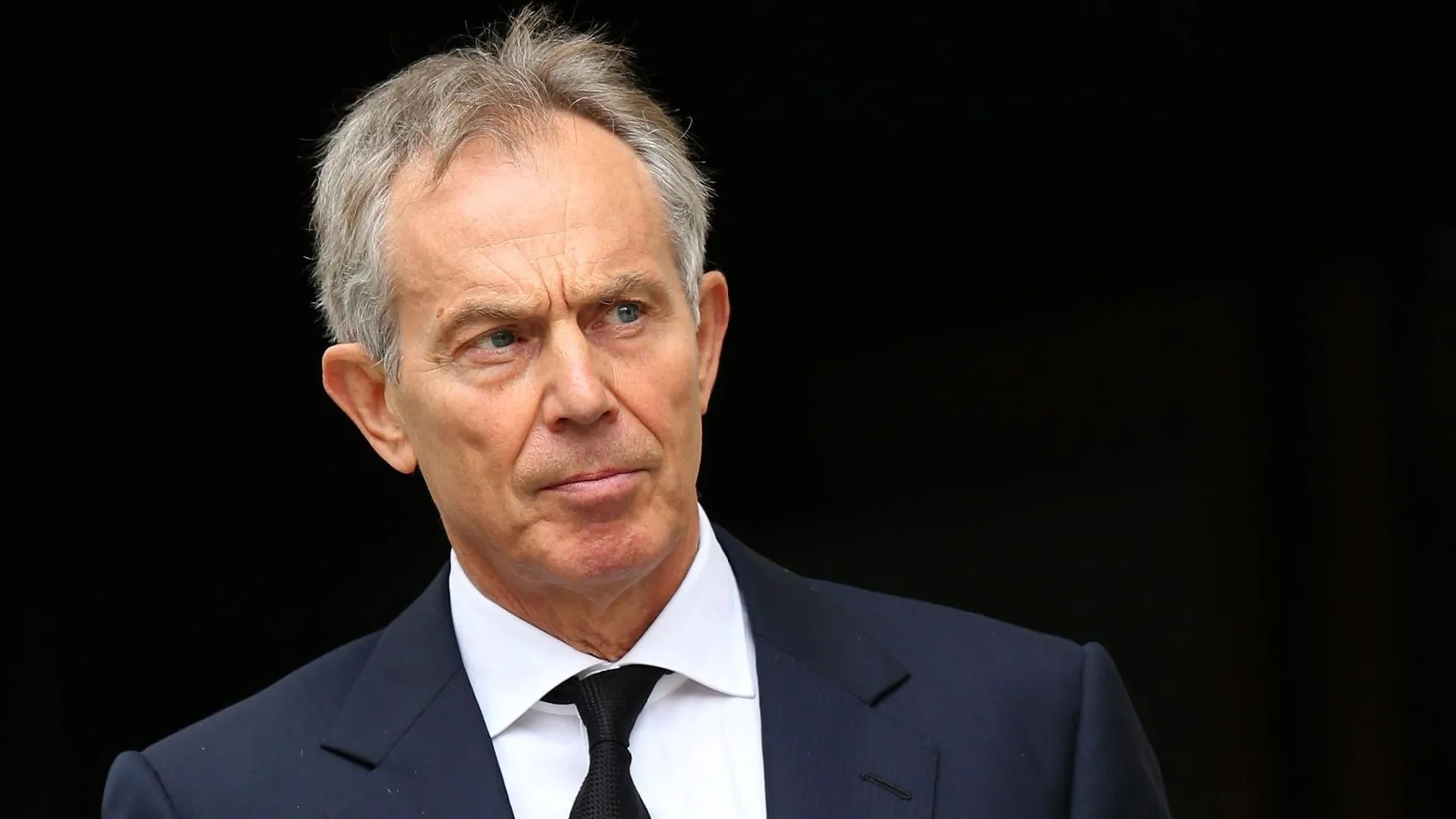
Succeeding John Major:
John Major, a member of the Conservative Party, served as the Prime Minister of the United Kingdom from 1990 to 1997. As the leader of the Conservative government, Major faced challenges related to economic issues, social policies, and internal party divisions. The 1997 general election proved to be a turning point, leading to a significant change in the political landscape.
Advertisement
Blair’s Labour Party Victory:
The Labour Party, led by Tony Blair, achieved a resounding victory in the 1997 general election. The election results signaled a shift in public sentiment and a desire for change, culminating in the end of Conservative rule. The Labour Party’s landslide victory paved the way for Blair to assume the position of Prime Minister, succeeding John Major.
Legacy of Transformation:
As Tony Blair took over the reins of leadership, he ushered in a period of significant policy reforms and social changes. His administration focused on modernizing public services, addressing social inequality, and promoting economic stability. The term “New Labour” became synonymous with Blair’s approach, marking a departure from traditional Labour Party ideologies.
Tony Blair’s ascension to the role of Prime Minister in 1997 marked a momentous shift in British politics. Succeeding John Major, Blair brought a fresh perspective and a commitment to modernizing the nation. The transition of power reflected the changing aspirations of the British public and set the stage for a decade of Labour Party governance. As we reflect on this historical transition, it becomes clear that Tony Blair’s legacy extends beyond his tenure, leaving an indelible mark on the political landscape of the United Kingdom.
Leave a Reply