

If you are a fan of metal music, you probably know the names of Metallica and Megadeth, two of the most influential and successful bands in the genre. But did you know that these two bands have a common history?
Advertisement
One of the founding members of Megadeth, Dave Mustaine, was originally the lead guitarist of Metallica. However, he was kicked out of the band in 1983, before they recorded their first album. Why did this happen, and how did Mustaine react? Let’s find out.
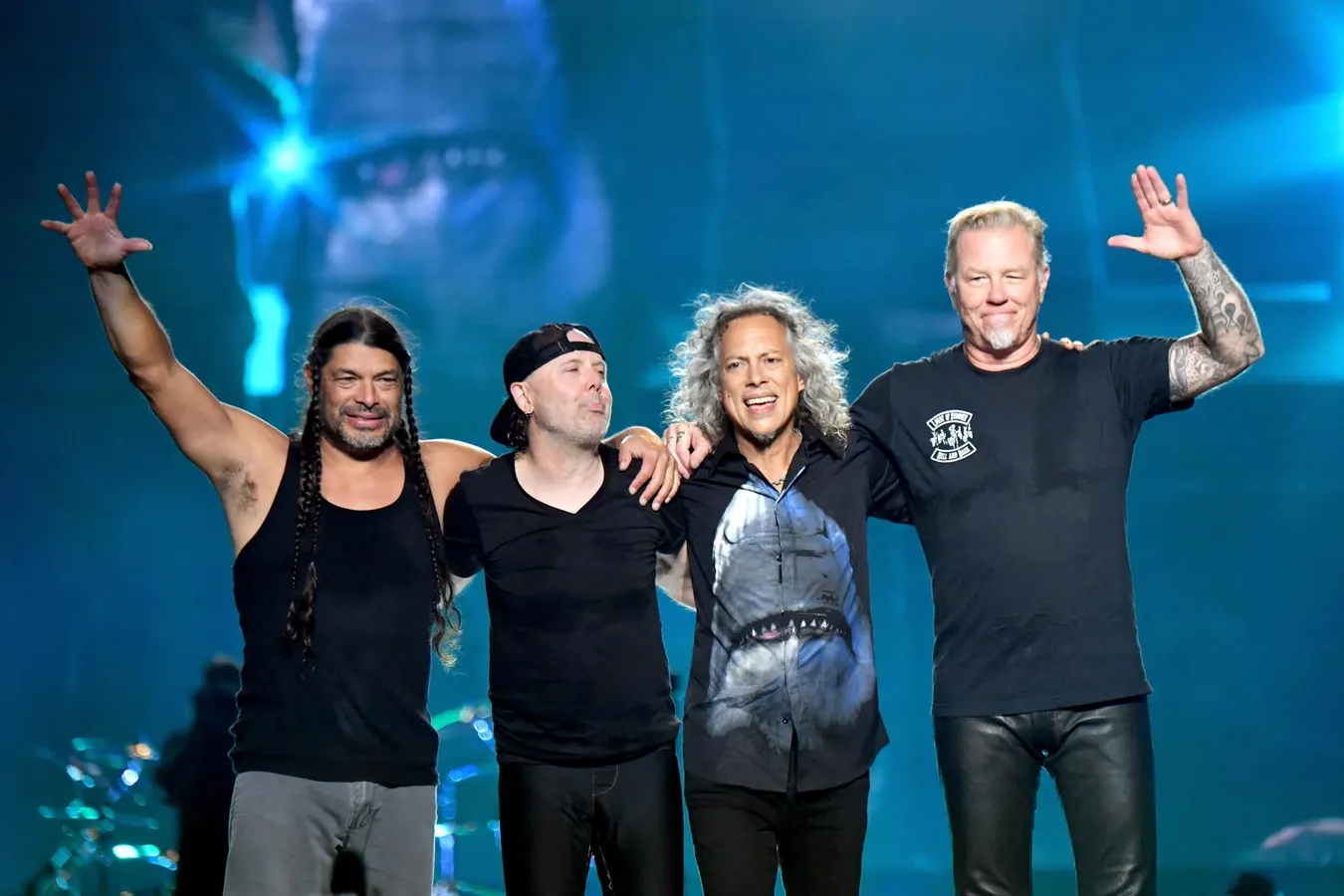
Dave Mustaine joined Metallica in 1981, after responding to an ad in a local newspaper. He was a talented and skilled guitarist, who contributed to some of the band’s early songs, such as The Four Horsemen, Jump in the Fire, and Phantom Lord. He also played on the band’s demo tape, No Life ’til Leather, which helped them get a record deal.
However, Mustaine had a serious problem with alcohol and drugs, which affected his personality and behavior. He became aggressive, violent, and unpredictable, often clashing with his bandmates and causing trouble. According to some sources, Mustaine’s drinking was so bad that he would sometimes forget how to play his own songs.
He also had several incidents that damaged the band’s reputation and relationships. For example, he brought his dog to a rehearsal and let it damage the bassist’s car. He also poured beer on the bass and electrocuted the bassist. He also got into fights with other bands, such as Saxon and Armored Saint. He even punched James Hetfield, the singer and rhythm guitarist of Metallica, in the mouth.
The final straw came in April 1983, when Metallica was about to travel from New York to Los Angeles to record their debut album, Kill ‘Em All. The band decided to fire Mustaine and replace him with Kirk Hammett, who was previously in Exodus. They woke him up early in the morning, gave him a bus ticket, and told him to leave. Mustaine was shocked and angry, and felt betrayed by his former friends. He later said that he cried all the way to California.
Advertisement

However, Mustaine did not give up on his musical career. He quickly formed his own band, Megadeth, with bassist David Ellefson. He also used his anger and resentment towards Metallica as a motivation to create better music. He wanted to prove himself as a superior musician and songwriter, and to surpass Metallica in popularity and success. He also wrote several songs that expressed his feelings about Metallica, such as Mechanix (a faster version of The Four Horsemen), In My Darkest Hour (inspired by the death of Metallica’s bassist Cliff Burton), and Hangar 18 (a reference to Metallica’s song The Call of Ktulu).
Megadeth became one of the most successful metal bands of all time, selling over 40 million albums worldwide and winning several awards. They are considered one of the “Big Four” of thrash metal, along with Metallica, Slayer, and Anthrax. They also developed a loyal fan base that supported them throughout their career.
However, Mustaine’s rivalry with Metallica never really ended. He often criticized them in interviews and on stage, accusing them of stealing his ideas, selling out, or being inferior musicians. He also challenged them to a “battle of the bands”, which never happened.
Metallica, on the other hand, also achieved great success and fame, selling over 110 million albums worldwide and becoming one of the most influential bands in rock history. They also won numerous awards and accolades, including nine Grammys and a place in the Rock and Roll Hall of Fame. They mostly ignored Mustaine’s attacks and focused on their own music. However, they occasionally responded to him in subtle ways, such as changing the lyrics of The Four Horsemen to mock him or playing his songs faster than him.
Over the years, Mustaine and Metallica have had some moments of reconciliation and friendship. They have shared the stage several times, such as at the Big Four shows in 2010 and 2011. They have also expressed respect and admiration for each other’s work and achievements. However, they have never fully buried the hatchet or collaborated on new music. Their relationship remains complex and ambiguous.
Leave a Reply