
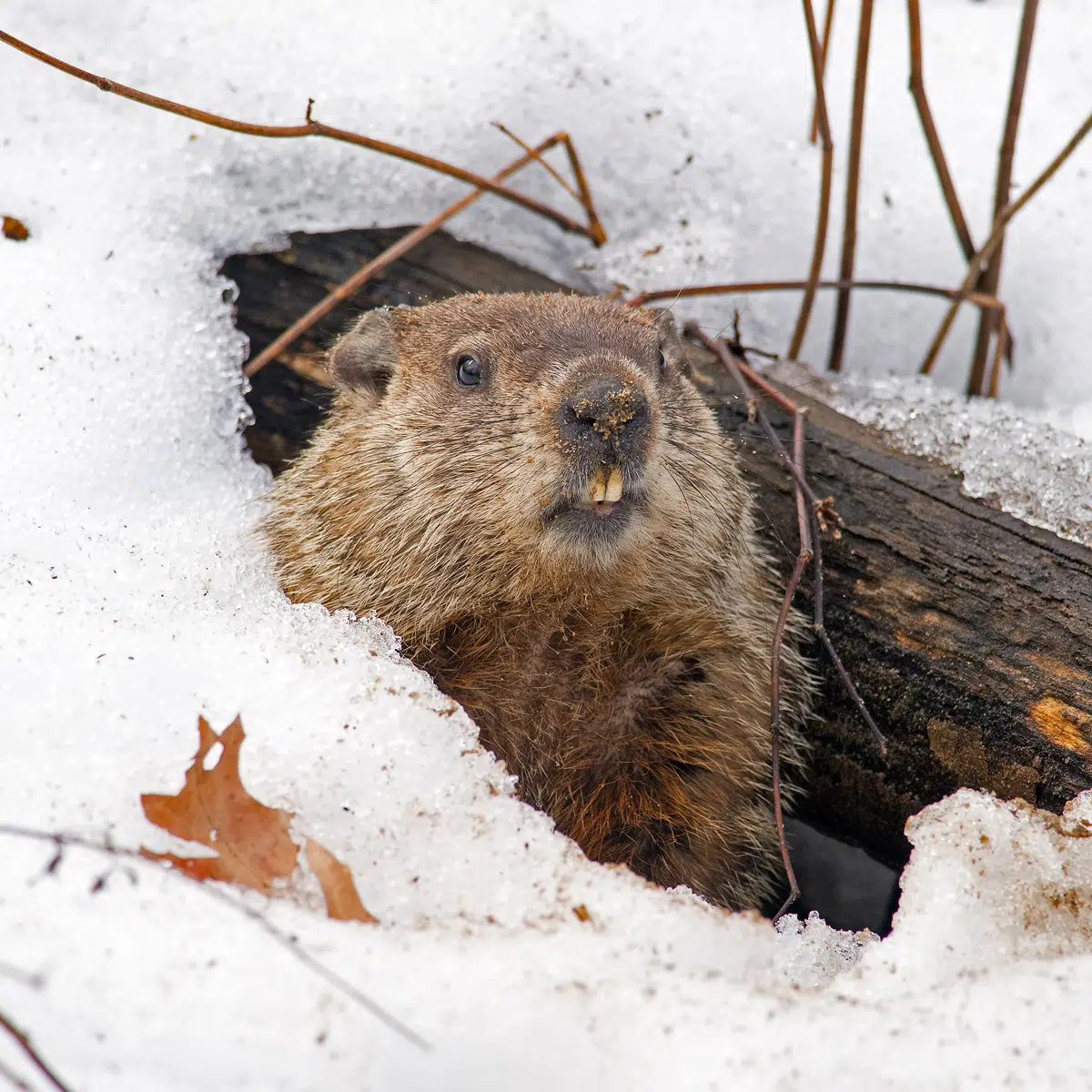
If you are wondering who created Groundhog Day and how it started, you are not alone. This quirky tradition has a long and fascinating history that goes back to ancient times. Here are some facts you may not know about Groundhog Day.
Advertisement
Groundhog Day has its origins in a Christian festival called Candlemas, which marks the midpoint between the winter solstice and the spring equinox. On this day, the clergy would bless candles and distribute them to the people. The weather on Candlemas was believed to predict the length of winter. A sunny day meant more cold and snow, while a cloudy day meant an early spring.
The Germans added an animal element to the Candlemas tradition. They believed that if a hedgehog saw its shadow on a sunny day, it would return to its burrow and there would be six more weeks of winter. This was called the “Second Winter”.
When German immigrants settled in Pennsylvania in the 18th and 19th centuries, they brought the hedgehog tradition with them but replaced it with a groundhog, which was more abundant in their new homeland.
Advertisement
The first official Groundhog Day celebration took place on February 2, 1887, in Punxsutawney, Pennsylvania. It was organized by a local newspaper editor named Clymer Freas, who was also a member of the Punxsutawney Groundhog Club, a group of groundhog hunters and enthusiasts.
The groundhog was named Phil, after King Philip, and was declared the official weather forecaster of the United States by Freas. Phil’s prediction was based on whether he saw his shadow or not after emerging from his den at a site called Gobbler’s Knob.
Since then, Groundhog Day has become a popular annual event that attracts tens of thousands of visitors to Punxsutawney. Phil is now the most famous groundhog in the world and has even starred in a Hollywood movie. He is also said to be immortal, thanks to a secret elixir given to him by his handlers.
However, Phil’s accuracy rate is not very impressive. According to some studies, he has only been right about 50 percent of the time. Some other groundhogs, such as Staten Island Chuck or Wiarton Willie, claim to have better records.
Some alternative traditions use different animals or signs to predict the weather. For example, in Vermillion, Ohio, people rely on the woolly bear caterpillar’s coloration to forecast the severity of winter.
Leave a Reply