

The case of Omar Ahmed Said Khadr, a Canadian citizen who spent a decade at Guantanamo Bay, is a tale that has stirred international debate and legal complexities. Central to this narrative is the pivotal moment when Omar Khadr was transferred back to Canada. In this article, we delve into the details surrounding this significant event and its implications on Khadr’s legal journey.
Advertisement
Early Life and Detention: Born on September 19, 1986, in Toronto, Canada, Omar Khadr’s life took a drastic turn at the age of 15 when he was detained by the United States at Guantanamo Bay. Accused of the murder of U.S. Army Sergeant 1st Class Christopher Speer and facing additional charges, Khadr’s detention became a focal point of legal and humanitarian discussions.
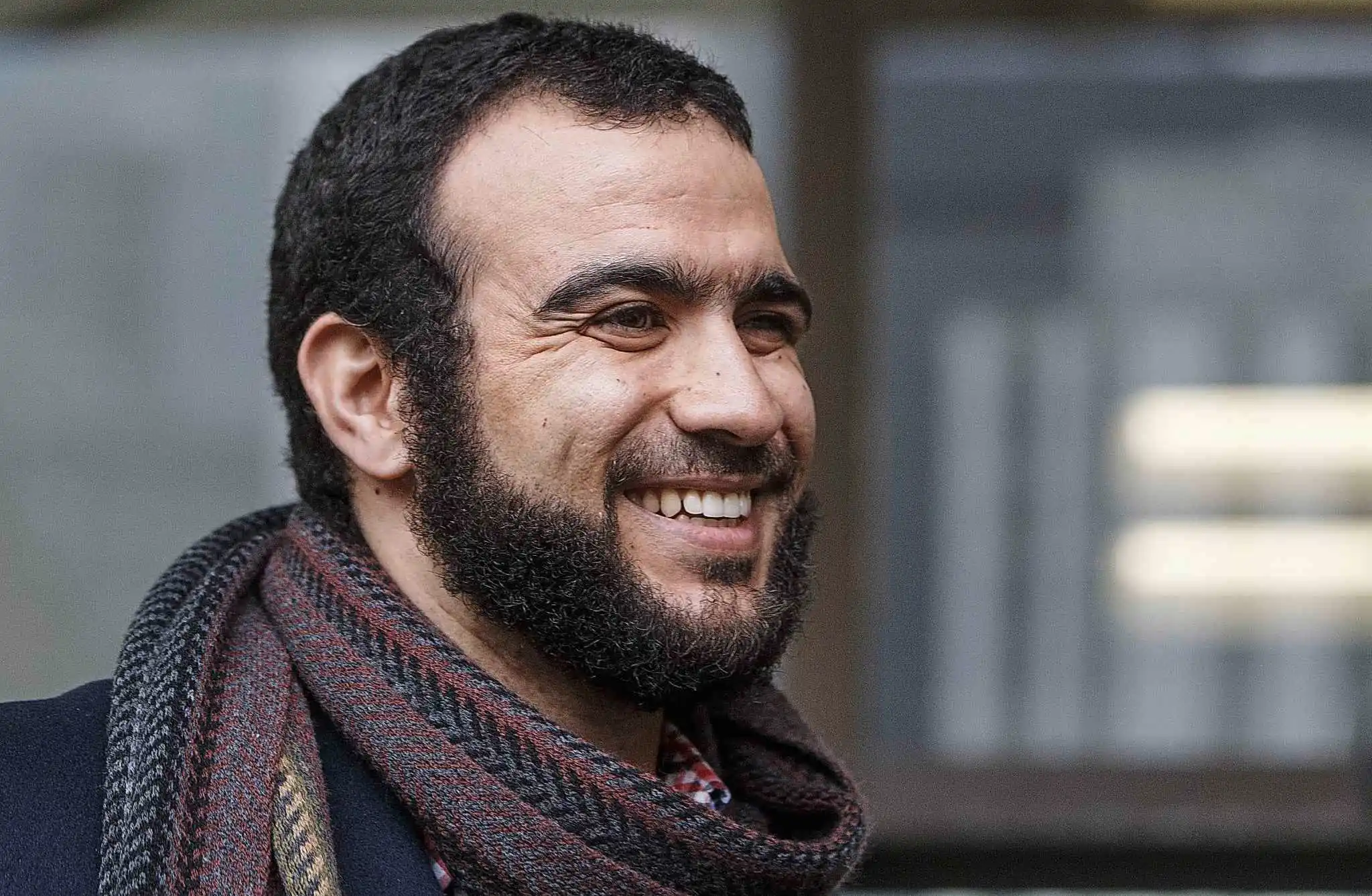
Application for Transfer: In April 2012, while still detained at Guantanamo Bay, Omar Khadr took a crucial step in his legal battle. He applied to the Canadian government, requesting a transfer to his home country. This move signaled Khadr’s desire to serve the remainder of his sentence in Canada, prompting a complex process of negotiations between the United States and Canada.
Transfer Date – September 29, 2012: After months of deliberation and negotiations, the long-awaited transfer of Omar Khadr to Canada finally took place on September 29, 2012. This marked a turning point in Khadr’s legal journey, as he transitioned from the confines of Guantanamo Bay to the Canadian justice system.
Advertisement
Implications and Controversies: The transfer of Omar Khadr back to Canada sparked various reactions and controversies. Supporters saw it as a step toward justice and rehabilitation for a former child soldier, while critics viewed it as a contentious decision given the serious nature of the charges against him.
Serving the Remaining Sentence: With his return to Canada, Omar Khadr began serving the remainder of his eight-year sentence. The complexities of his case, including his age at the time of the alleged offenses and the circumstances of his detention, continued to fuel debates on justice, human rights, and the treatment of individuals involved in armed conflicts.
Ongoing Legal Journey: While the transfer marked a significant development, Omar Khadr’s legal journey did not conclude. Legal challenges, including appeals related to his convictions, continued to shape his post-transfer life. The complexities of the case underscored the need for nuanced considerations when addressing the legal consequences of actions taken during times of conflict.
The transfer of Omar Khadr to Canada on September 29, 2012, remains a momentous chapter in a case that has elicited strong emotions and opinions. As Khadr served the remainder of his sentence in Canada, his story prompted reflections on justice, international law, and the treatment of individuals entangled in the complexities of armed conflicts. The implications of this transfer continue to reverberate, shaping ongoing discussions about accountability, rehabilitation, and the pursuit of justice in a global context.
Leave a Reply