
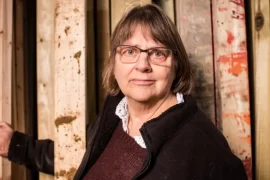
Phyllida Barlow’s site-specific sculptures reflect the devastation of London in the early aftermath of World War Two, when Barlow was a kid, implying death, gore, and abuses of the human body.
Advertisement
Barlow’s sculptures, which are inspired by the urban environment, combine uncommon materials like cardboard, plywood, plaster, and cement with vibrantly colored paint and textiles.
Phyllida devised shapes that are generated by multiple processes of accumulation, removal, and juxtaposition which were gestures described by Barlow as “more practical than beautiful.”
Advertisement
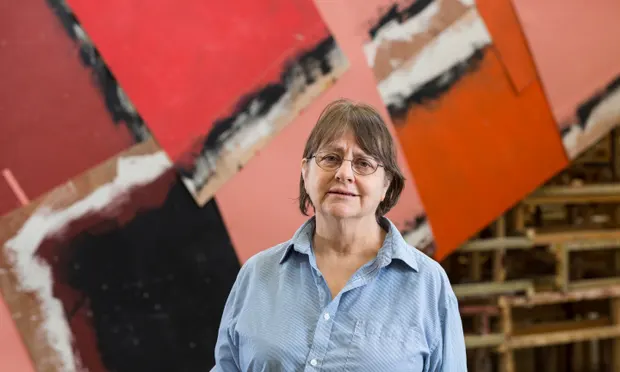
Image Source: Getty Images
What techniques does Phyllida Barlow use?
Barlow’s drawings, like her sculptures, make strong use of brilliant color as a form of expression, employing a variety of techniques such as cross-hatching, scribbling, or covering swathes of paper with washes of flat color.
Drawings are also created by Phyllida Barlow.
She sees her drawings as creative forms in their own right, rather than as preparation for her sculpting.
Phyllida Barlow’s drawings, like her sculptures, incorporate forms and items from the actual world, and she uses a variety of mediums including pencil, pastel, charcoal, acrylic, and watercolour.
Leave a Reply