
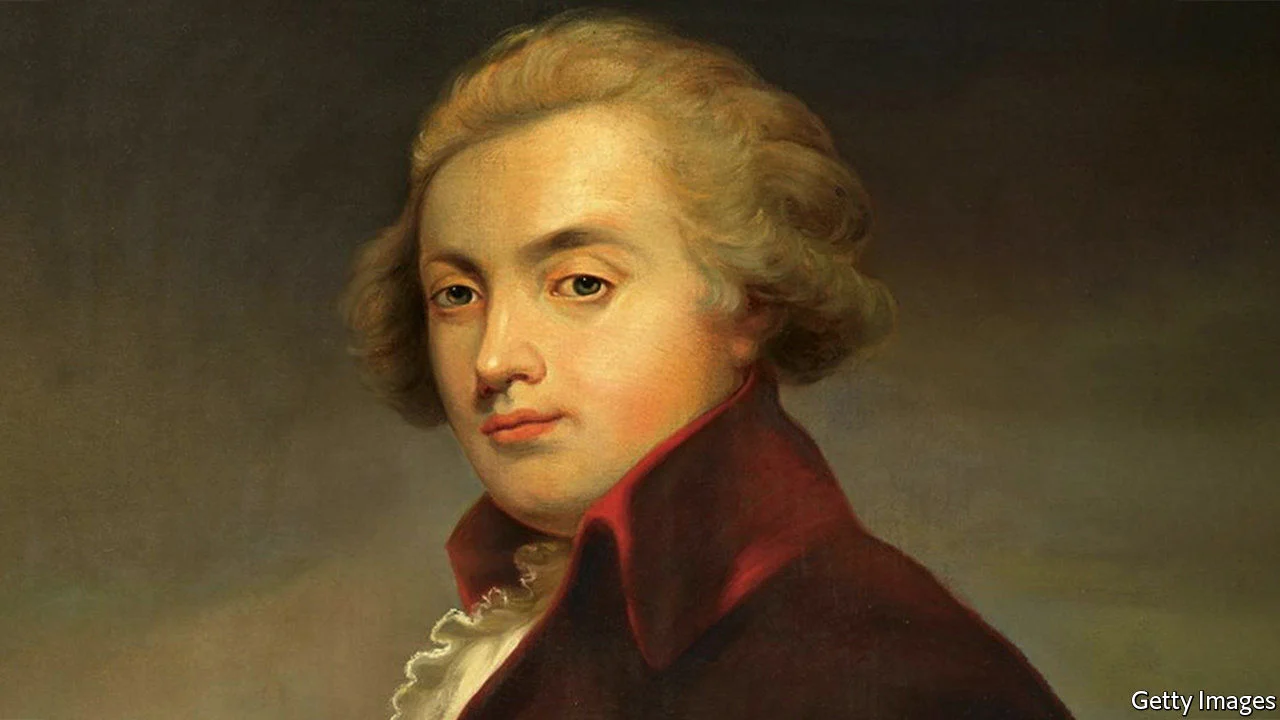
Mozart had various health problems throughout his life, such as smallpox, tonsillitis, bronchitis, pneumonia, typhoid fever, rheumatism, and gum disease.
Advertisement
Mozart suffered from chronic nephritis, a kidney condition, which may have been caused by a streptococcal infection. Mozart died in 1791 of acute miliary fever, a rare syndrome that caused a high fever and a rash of tiny blisters on his skin.
Some sources also mention scarlet fever and cerebral hemorrhage as possible causes of his death. There is no evidence that Mozart had tuberculosis.
Advertisement
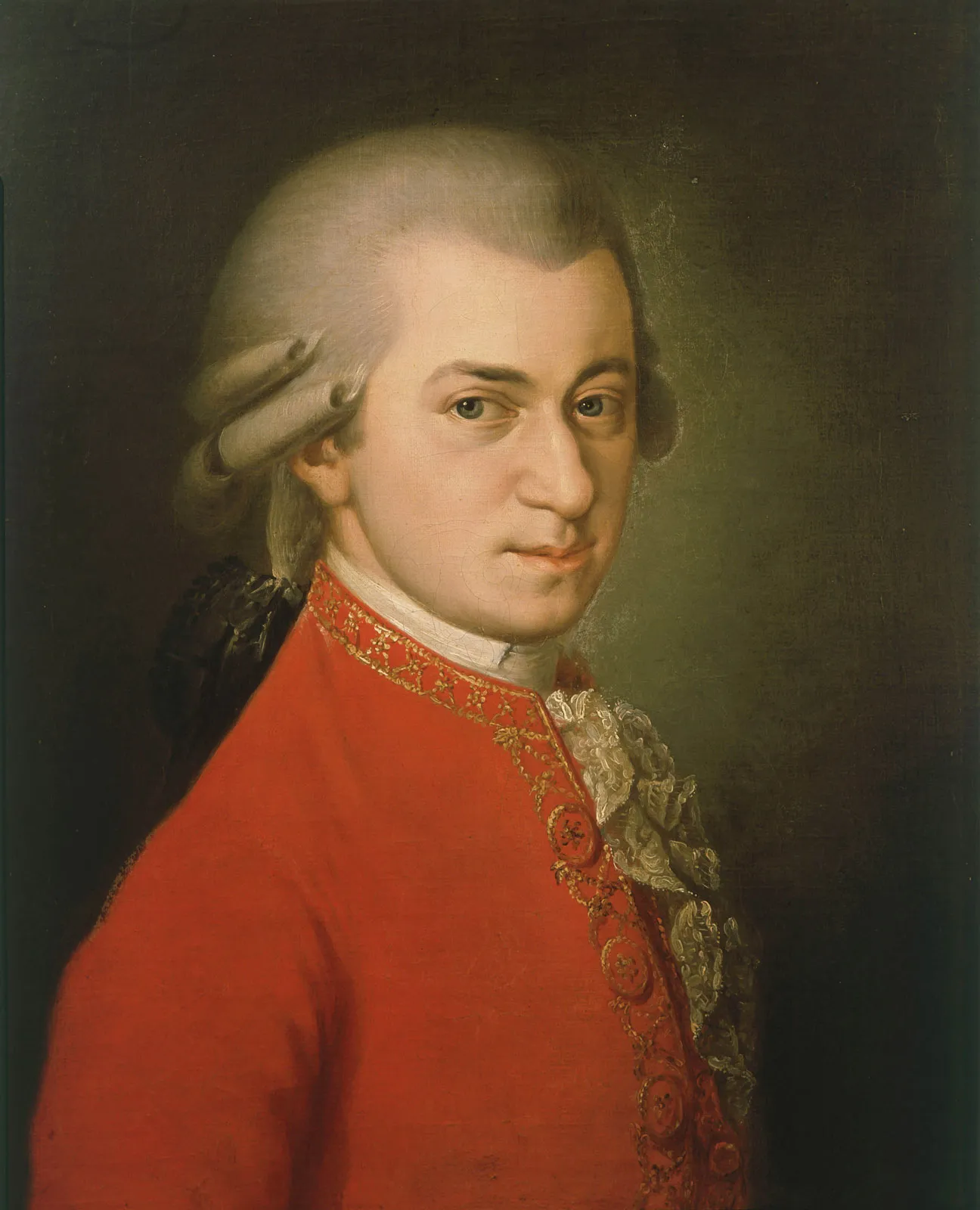
Mozart was a child prodigy who began composing music at the age of five and was performing for royalty by the time he was six. He composed over 800 works in his short life, including symphonies, operas, chamber music, and choral music.
Mozart’s most famous works include the operas “The Marriage of Figaro” (1786), “Don Giovanni” (1787), and “The Magic Flute” (1791).
Mozart also composed many symphonies, including the “Jupiter Symphony” (1788), and chamber music, such as the “Eine kleine Nachtmusik” (1787).
Leave a Reply