
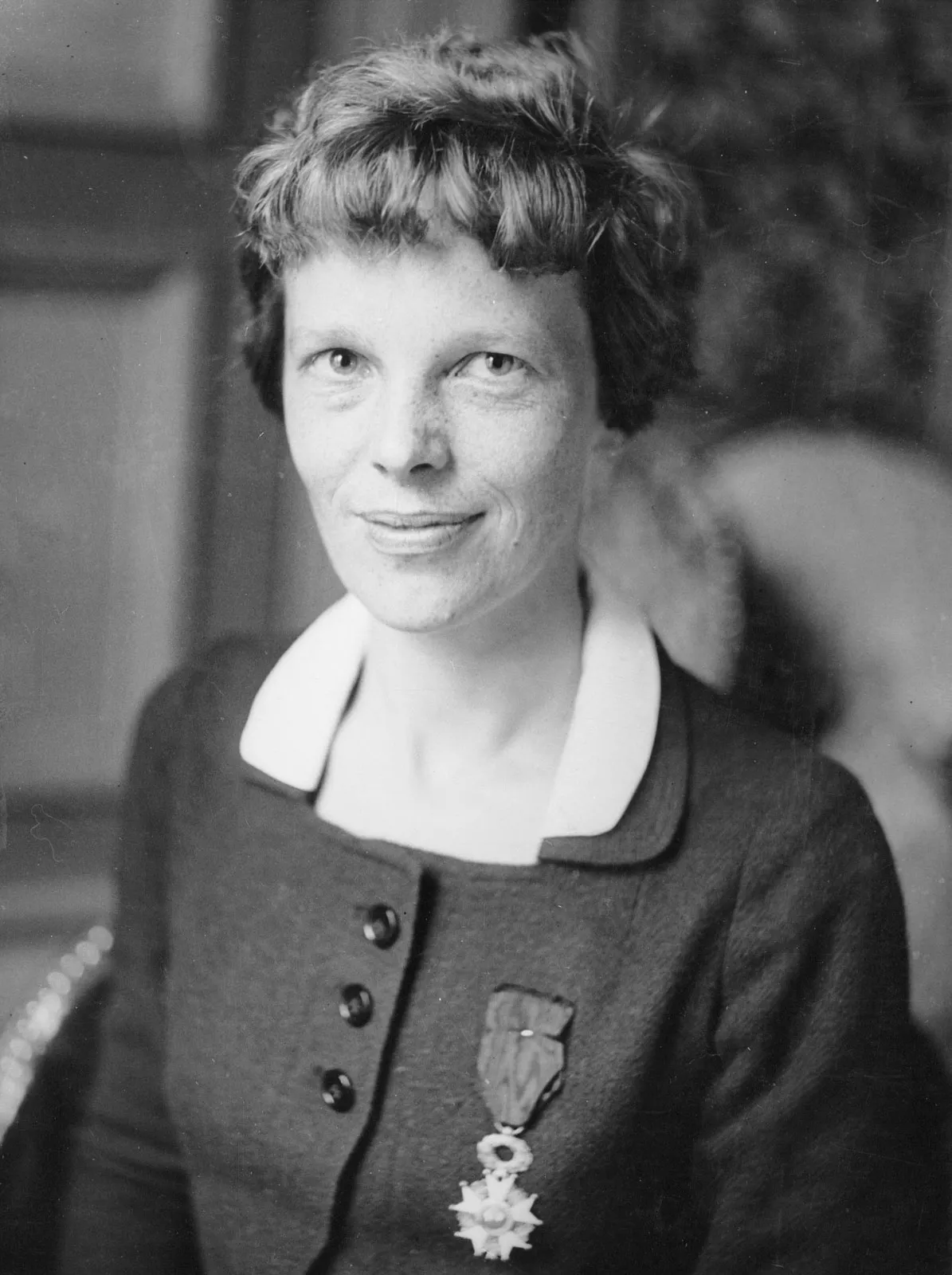
Amelia Mary Earhart, a pioneering American aviator and accomplished writer, etched her name into history as one of the most famous and inspirational figures in aviation.
Advertisement
Born on July 24, 1897, in Atchison, Kansas, Earhart’s remarkable feats in the field of aviation propelled her to international acclaim.
One of Earhart’s most iconic achievements was being the second person, and the first woman, to complete a solo and nonstop transatlantic flight. This historic journey took place on May 20-21, 1932, when Earhart piloted her Lockheed Vega 5B from Harbor Grace, Newfoundland, to Londonderry, Northern Ireland.
This achievement followed in the footsteps of Charles Lindbergh but with the groundbreaking addition of being the first woman to accomplish this daring feat.
Earhart continued to break barriers in aviation by becoming the first person to fly solo and nonstop across the continental United States. This pioneering flight took place on August 24-25, 1932, as Earhart soared from Los Angeles to Newark, further solidifying her status as a trailblazer in aviation.
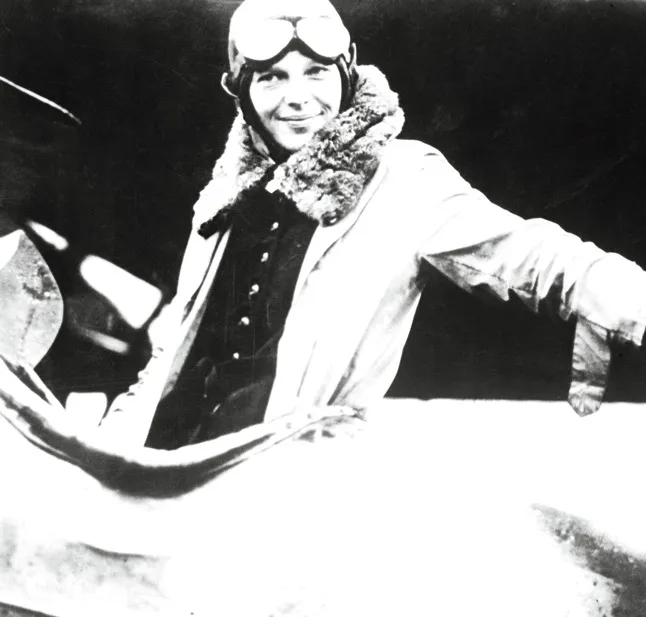
Amelia Earhart’s ambitious spirit led her to attempt another historic feat—becoming the first woman to complete a circumnavigational flight of the globe. In 1937, with funding from Purdue University and aboard a Lockheed Model 10-E Electra, Earhart set out on this daring journey alongside navigator Fred Noonan.
Advertisement
Unfortunately, the duo mysteriously disappeared over the central Pacific Ocean near Howland Island during their circumnavigation attempt. Despite extensive investigations, the disappearance of Amelia Earhart and Fred Noonan remains one of the greatest mysteries in aviation history.
The public’s fascination and interest in their vanishing act persist more than 80 years later. In recognition of her groundbreaking contributions to aviation, Amelia Earhart was officially declared dead one year and six months after her disappearance.
Her legacy, however, lives on through various honors and memorials. In 1968, she was posthumously inducted into the National Aviation Hall of Fame, and in 1973, she earned a place in the National Women’s Hall of Fame.
Numerous memorials across the United States bear Earhart’s name, including a commemorative US airmail stamp, an airport, a residence hall, a museum, a research foundation, and more. In addition, a minor planet, a planetary corona, and a lunar crater have been named in her honor, attesting to the enduring impact of her pioneering spirit.
Leave a Reply