
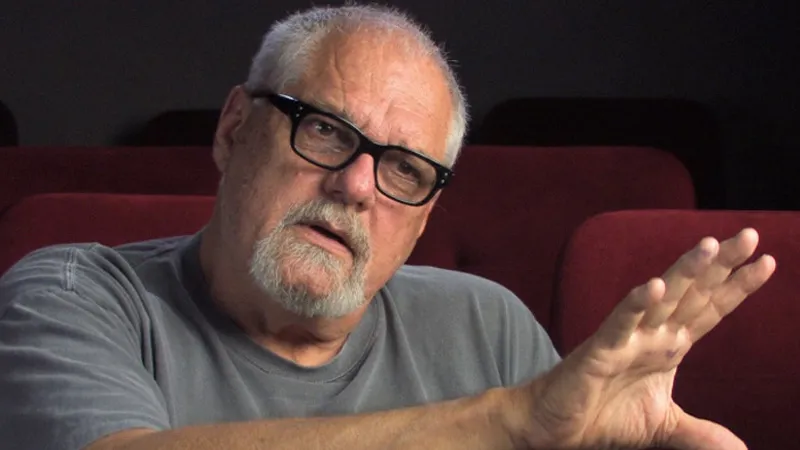
Rod Holcomb, an accomplished American television director and producer, etched his name in the annals of television history through his exemplary work, leaving an indelible mark on iconic series such as ER. Known for his ability to craft compelling narratives and visually striking episodes, Holcomb directed both the pilot and the finale of ER, showcasing his talent for bringing stories to life on the small screen.
Advertisement
Holcomb’s illustrious career spanned several decades, during which he contributed to numerous television series across various genres. His impressive directorial portfolio includes episodes of Quincy, M.E., The Six Million Dollar Man, Battlestar Galactica, Fantasy Island, The A-Team, The District, Lost, Invasion, Shark, China Beach, Wiseguy, The Equalizer, Scarecrow and Mrs. King, The Devlin Connection, The Greatest American Hero, Hill Street Blues, The West Wing, and Numb3rs.

One of Holcomb’s notable achievements was directing the pilot and finale of ER, a medical drama that would go on to become one of the most acclaimed and beloved series in television history. His adept storytelling and skillful direction contributed significantly to the success of the show, earning him recognition as a visionary in the television industry.
Beyond ER, Holcomb’s versatility as a director allowed him to navigate through different genres, from action-packed adventures like The A-Team to thought-provoking dramas such as The West Wing. His ability to adapt to diverse storytelling styles showcased his proficiency and commitment to his craft.
Advertisement
In addition to his directorial prowess, Holcomb’s influence extended to other significant television series, including The Six Million Dollar Man, where he directed episodes that captivated audiences with innovative storytelling and engaging visuals. His contributions to Battlestar Galactica and The Equalizer further solidified his reputation as a director capable of elevating the quality of any show he undertook.
Rod Holcomb’s legacy is not only defined by the numerous episodes he directed but also by the impact he had on shaping the visual aesthetic of television. His pioneering use of cinematic techniques, such as the Steadicam, brought a more immersive and cinematic experience to the small screen, influencing the direction of television production for generations to come.
As a testament to his dedication to the industry, Holcomb actively participated in the creation of compelling narratives and the advocacy for the creative rights of television directors. His commitment is exemplified by his involvement in negotiating committees and his role as the co-chair of the Television Creative Rights Committee within the Directors Guild of America.
In the wake of Rod Holcomb’s passing, the television industry reflects on the profound impact he made, not only as a director but as a trailblazer who pushed the boundaries of storytelling in the evolving landscape of television. His legacy lives on through the timeless episodes he directed, the stories he helped tell, and the inspiration he provided to aspiring directors who continue to shape the future of television.
Leave a Reply