
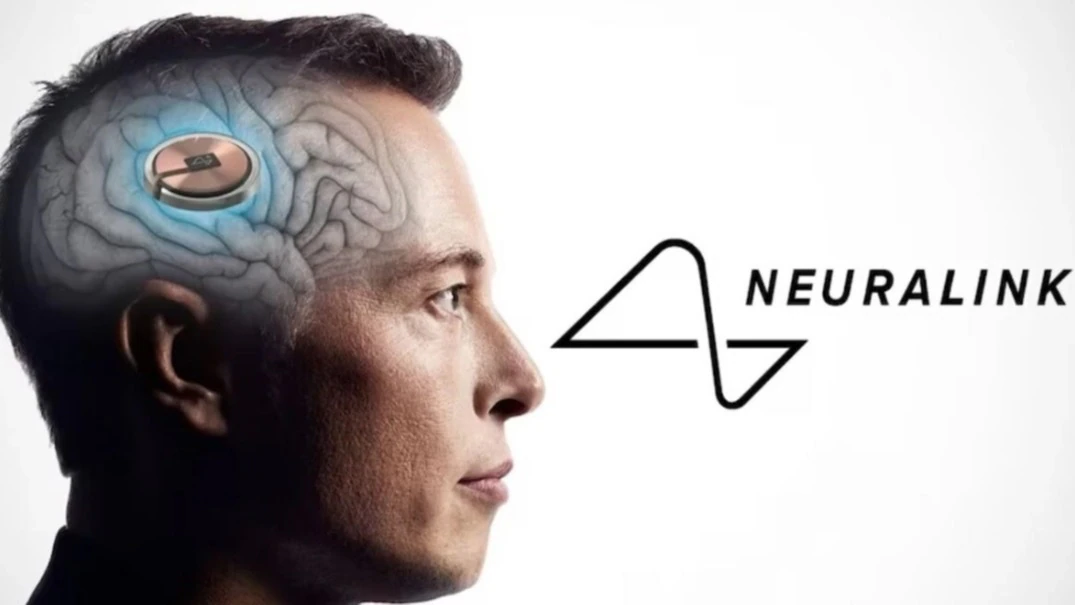
Neuralink is a company that aims to create a generalized brain-computer interface (BCI) that can restore autonomy and unlock human potential. A BCI is a device that can read and write information from and to the brain, allowing direct communication between the brain and a computer or mobile device.
Advertisement
One of the problems that Neuralink hopes to solve is the treatment of serious brain diseases, such as Parkinson’s, Alzheimer’s, epilepsy, stroke, and depression. These diseases affect millions of people worldwide and have a significant impact on their quality of life and well-being.

By implanting very thin threads into the brain, Neuralink’s BCI can stimulate or record neural activity in specific brain regions, potentially alleviating symptoms or restoring functions that are impaired by these diseases.
Advertisement
Another problem that Neuralink hopes to solve is the enhancement of human capabilities, such as memory, learning, creativity, and communication. Elon Musk, Neuralink’s founder, has said that his interest in the idea partly stemmed from the science fiction concept of “neural lace”, a digital layer above the cortex that would augment human intelligence and enable direct mind-to-mind communication.
By creating a seamless BCI experience that enables fast and reliable computer control, Neuralink aims to unlock human potential and keep pace with the rapid advancement of artificial intelligence.
How can Neuralink help with depression? Depression is a complex and multifaceted disorder that affects mood, cognition, behavior, and physiology. It is often associated with changes in brain structure and function, such as reduced activity in the prefrontal cortex, increased activity in the amygdala, and altered connectivity between brain regions.
Neuralink’s BCI could potentially help with depression by modulating neural activity in these brain regions, either by stimulating or inhibiting them, depending on the desired effect. For example, stimulating the prefrontal cortex could enhance cognitive control and emotional regulation, while inhibiting the amygdala could reduce anxiety and fear.
Additionally, Neuralink’s BCI could also help with depression by providing feedback or guidance to the user based on their brain state, such as suggesting positive thoughts or actions or encouraging social interaction.
Leave a Reply