

Laryngopharyngeal reflux (LPR) is a condition that affects the throat and vocal cords, often leading to a range of uncomfortable symptoms. It is essential to understand the role of pH levels in LPR diagnosis and management. In this article, we delve into the significance of pH levels in LPR and how they are measured.
Advertisement

www.hopkinsmedicine.org
What is Laryngopharyngeal Reflux?
LPR, commonly known as silent reflux, is a condition that occurs when stomach acid flows back into the throat and voice box. This reflux can lead to various symptoms, including hoarseness, a persistent feeling of something stuck in the throat (Globus sensation), chronic throat clearing, heartburn, and regurgitation. Managing LPR requires a comprehensive approach, and understanding pH levels is an integral part of the diagnostic process.
pH Levels in LPR Diagnosis
pH levels play a crucial role in diagnosing LPR. In the context of LPR, pH refers to the acidity level in the throat and esophagus. Typically, the pH level in the esophagus hovers around 7.0, which is considered neutral. However, in LPR, episodes of reflux cause the pH to drop, indicating increased acidity. Due to slight nocturnal drops in acidity, the threshold for severe LPR is lowered to pH 5.0 in the supine position, while in an upright position, the threshold is located at pH 5.5.

Esophageal pH Monitoring
To determine the presence and severity of LPR, healthcare professionals employ esophageal pH monitoring. This diagnostic test involves tracking the pH levels in the esophagus and throat over a specific period, typically 18 to 24 hours. A small device called the Restech pH probe is gently inserted into the back of the nose, not the throat, for the monitoring period.
Advertisement
The probe records pH levels, allowing healthcare providers to identify instances when the pH drops below the normal range, which is typically below 4.0. These lower pH levels signify the presence of stomach acid in the throat, indicating LPR.
Interpreting pH Readings in LPR
In the context of esophageal pH monitoring, the interpretation of pH readings helps determine the severity of LPR:
- Mild LPR: A pH level ranging between 6.0 and 6.5 in the upright position or 5.5 and 6.0 in the supine (lying down) position is indicative of mild LPR.
- Moderate LPR: pH levels between 5.5 and 6.0 in the upright position or 5.0 and 5.5 in the supine position are characteristic of moderate LPR.
The higher the pH reading, the closer it is to neutral, while lower pH readings suggest increased acidity and the presence of reflux.
Why pH Levels Matter in LPR
Understanding pH levels in LPR is crucial for several reasons:
- Diagnosis: Monitoring pH levels helps healthcare professionals confirm the presence of LPR and distinguish it from other conditions like gastroesophageal reflux disease (GERD).
- Severity Assessment: The degree of acidity, as indicated by pH readings, assists in determining the severity of LPR, which, in turn, guides treatment decisions.
- Treatment Evaluation: Regular monitoring of pH levels during treatment can help assess the effectiveness of interventions and adjustments in managing LPR.
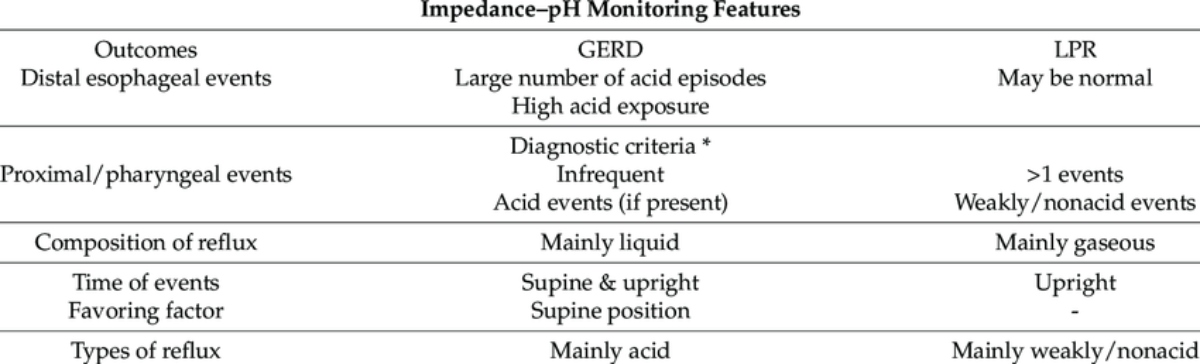
PHOTO CREDIT: RESEARCH GATES

Laryngopharyngeal reflux is a complex condition that can significantly impact an individual’s quality of life. Understanding pH levels and their role in LPR diagnosis and management is vital for both healthcare providers and patients. pH monitoring through the use of devices like the Restech pH probe allows for an accurate assessment of the severity of LPR.

If you suspect you may be experiencing LPR or have been diagnosed with the condition, consult with a healthcare professional who can recommend appropriate diagnostic tests and a tailored treatment plan. pH monitoring is a valuable tool in the journey to manage and alleviate the symptoms of LPR, ultimately improving your overall well-being.
Leave a Reply