
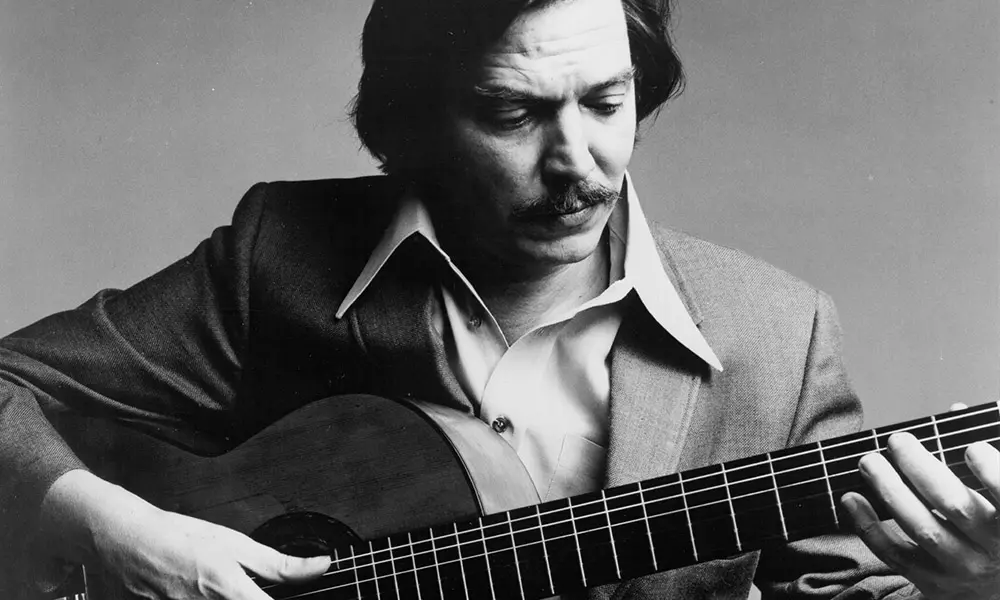
Antônio Carlos Jobim, often referred to as the “father of bossa nova,” popularized a rich catalog of music that has left an enduring impact on the world of jazz and beyond. Some of his most famous compositions, which have become jazz standards and global hits, include:
Advertisement
Advertisement

Image Credit: All About Jazz
- “Garota de Ipanema” (“The Girl from Ipanema”):
- Perhaps Jobim’s most iconic composition, “The Girl from Ipanema” became an international sensation after being featured in the album “Getz/Gilberto” (1964). The song, with its smooth bossa nova rhythm, was sung by Astrud Gilberto and João Gilberto and later covered by numerous artists.
- “Desafinado”:
- Another classic, “Desafinado” is known for its sophisticated harmonies and was featured in the groundbreaking album “Jazz Samba” (1962). The collaboration with Stan Getz helped introduce bossa nova to the global jazz audience.
- “Corcovado” (“Quiet Nights of Quiet Stars”):
- This beautiful ballad is a hallmark of Jobim’s ability to create evocative melodies. It was also part of the “Getz/Gilberto” album and has been covered by various artists.
- “Wave”:
- The title track from Jobim’s 1967 album, “Wave” showcases his mastery of melody and arrangement. The album as a whole further demonstrated the fusion of Brazilian rhythms with jazz influences.
- “Águas de Março” (“Waters of March”):
- A lyrical masterpiece, “Águas de Março” is known for its poetic lyrics and was released in 1972. Jobim wrote both the Portuguese and English lyrics, and the song has been covered in multiple languages.
What Genre Is Antônio Carlos Jobim?
Antônio Carlos Jobim is primarily associated with the genres of bossa nova and Brazilian jazz. Bossa nova, which translates to “new trend” or “new wave,” originated in Brazil in the late 1950s and early 1960s. Jobim played a pivotal role in the development and popularization of this genre, both in Brazil and internationally.
Leave a Reply