
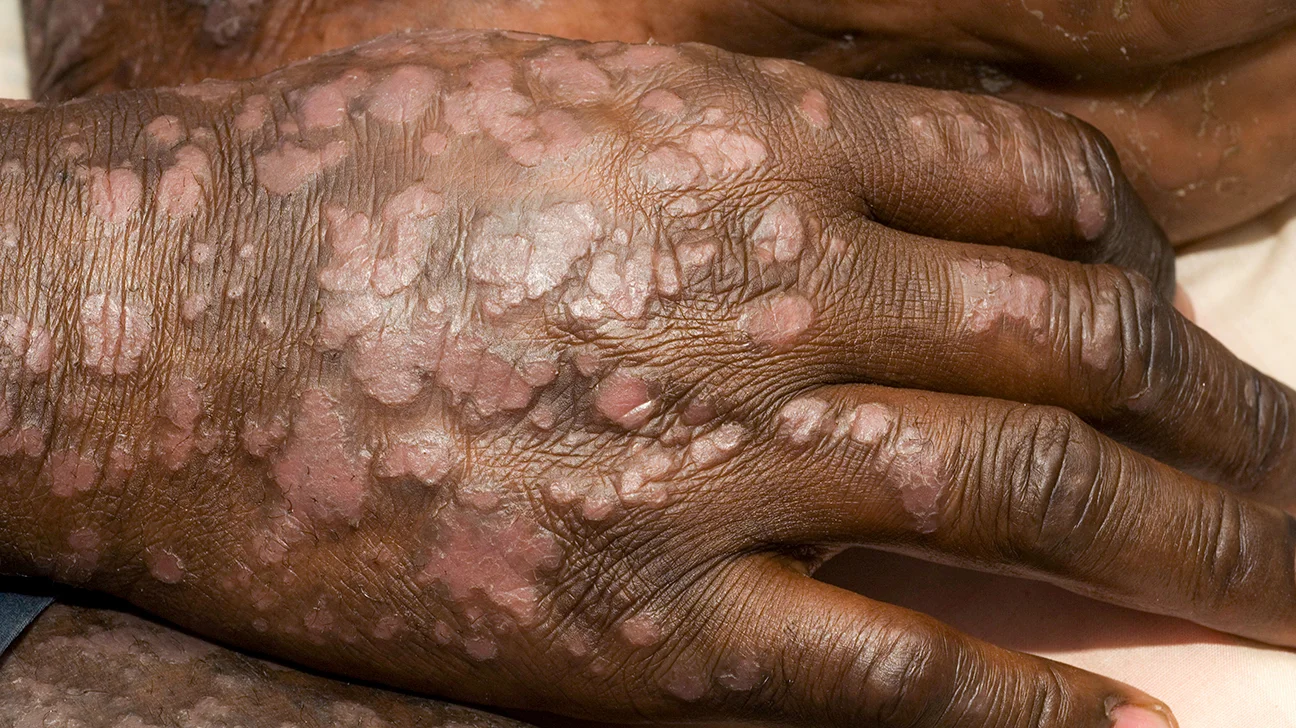
The most common type of doctor who treats psoriasis is a dermatologist. A dermatologist is a specialist in skin diseases and can diagnose psoriasis by examining your skin, scalp, and nails.
Advertisement
Sometimes, a skin biopsy may be needed to confirm the diagnosis or rule out other conditions. A dermatologist can prescribe various treatments for psoriasis, such as topical creams, oral medications, injections, or light therapy.
Depending on your health insurance and availability, you may need a referral from your primary care provider to see a dermatologist. Other types of doctors who may be involved in your psoriasis care include:

- Rheumatologist: A specialist in joint diseases who can diagnose and treat psoriatic arthritis, a condition that affects some people with psoriasis.
- Allergist/Immunologist: A specialist in allergic and immune system disorders who can help you identify and avoid triggers that may worsen your psoriasis.
- Endocrinologist: A specialist in hormone disorders who can check for and treat conditions that may be associated with psoriasis, such as diabetes or thyroid problems.
- Cardiologist: A specialist in heart diseases who can monitor and treat conditions that may increase your risk of cardiovascular problems, such as high blood pressure or high cholesterol.
Can you treat psoriasis on your own?
While you should always consult your doctor before starting any psoriasis treatment, there are some things you can do on your own to help ease the symptoms and prevent flare-ups. These include:
Advertisement
Moisturizing your skin: Applying a thick moisturizer after bathing or showering can help lock in moisture and reduce dryness and scaling. You can also use moisturizers throughout the day as needed. Look for products that are fragrance-free and hypoallergenic.
Avoiding irritants: Some substances can irritate your skin and make your psoriasis worse. These include harsh soaps, detergents, perfumes, alcohol, and tobacco. Try to use gentle cleansers and avoid products that contain alcohol or fragrances.
Managing stress: Stress can trigger or worsen psoriasis flare-ups. Finding healthy ways to cope with stress can help you control your condition. Some examples are meditation, yoga, exercise, hobbies, or counseling.
Exposing your skin to sunlight: Sunlight can help improve psoriasis by slowing down the growth of skin cells. However, too much sun exposure can also damage your skin and increase your risk of skin cancer. Talk to your doctor about how much sun exposure is safe for you and always use sunscreen with SPF 30 or higher when going outdoors.
Eating a balanced diet: There is no specific diet for psoriasis, but eating a balanced diet that includes plenty of fruits, vegetables, whole grains, lean protein, and healthy fats can help you maintain a healthy weight and support your immune system. Some people may find that certain foods trigger or worsen their psoriasis. You can keep a food diary to track what you eat and how it affects your skin.
Leave a Reply