
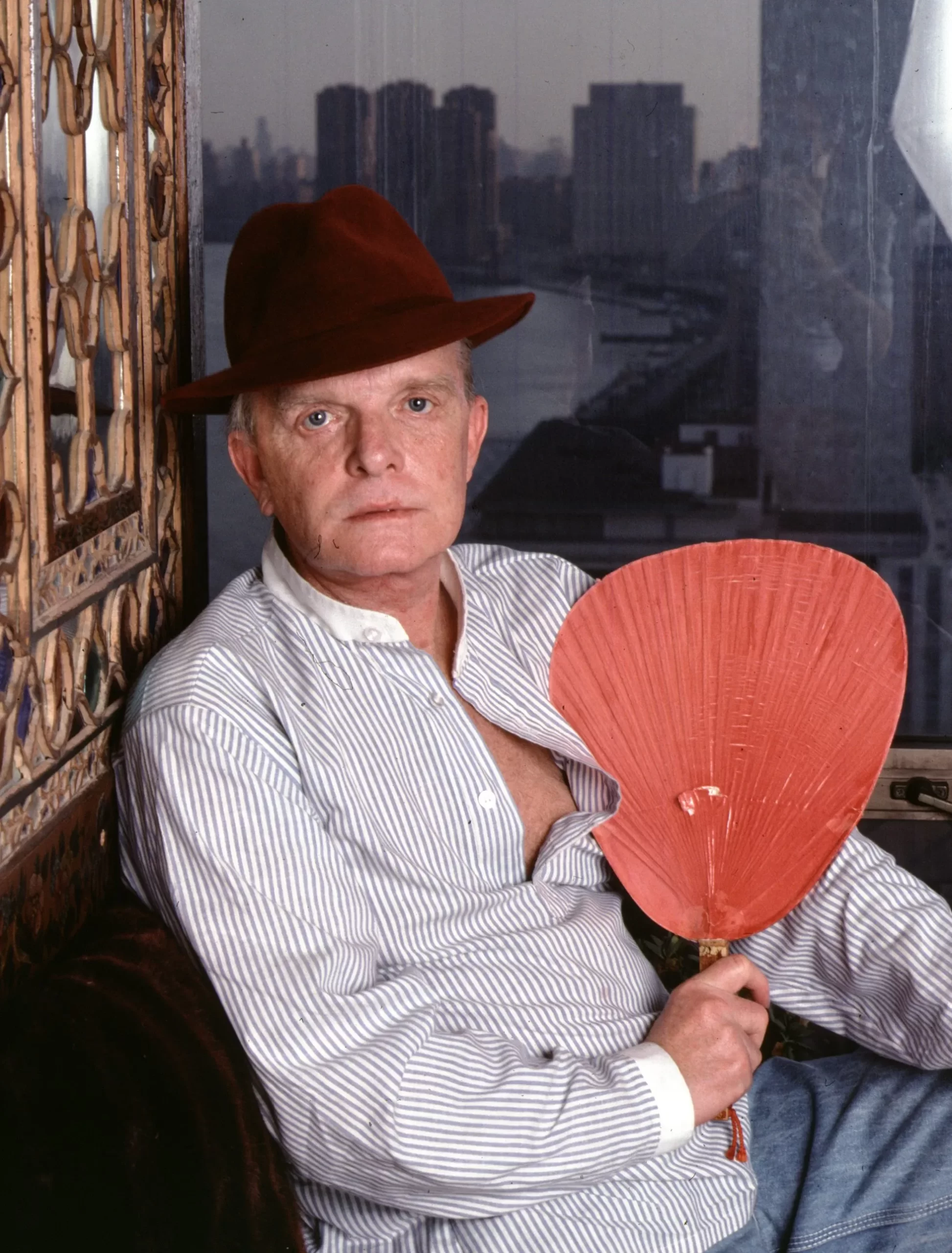
Truman Capote, the enigmatic American author, left an indelible mark on literature, best known for his innovative writing style and the creation of literary works that continue to captivate readers across generations.
Advertisement
Born on September 30, 1924, in New Orleans, Capote embarked on a literary journey that would redefine the landscape of American literature.
Capote’s literary prowess first gained widespread recognition with the publication of his debut novel, “Other Voices, Other Rooms,” in 1948. This semi-autobiographical work introduced readers to Capote’s distinctive narrative voice, blending elements of Southern Gothic with introspective explorations of identity and self-discovery.
However, it was “Breakfast at Tiffany’s,” published in 1958, that catapulted Capote to literary stardom. The novella, later adapted into an iconic film starring Audrey Hepburn, is a poignant exploration of the complexities of human relationships and the pursuit of identity and happiness in the glamorous backdrop of New York City.
Advertisement
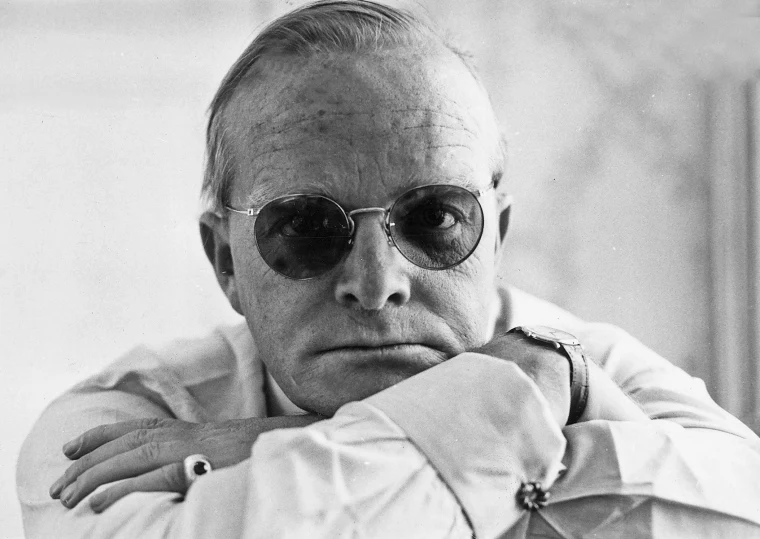
Capote’s magnum opus, “In Cold Blood,” marked a departure from his earlier fiction into the realm of true crime writing. Published in 1966, the book is a groundbreaking work that meticulously details the brutal murders of the Clutter family in Holcomb, Kansas.
Capote’s innovative approach to the genre, often referred to as the “non-fiction novel,” showcased his ability to blend journalistic rigor with literary craftsmanship. The book remains a classic in the true crime genre and a testament to Capote’s narrative brilliance.
Beyond his novels, Capote’s contributions extended to the realm of short stories, plays, and screenplays. His ability to capture the nuances of human emotion and societal complexities solidified his reputation as a master storyteller.
Capote’s impact on American literature is perhaps best summarized by his capacity to blur the lines between fiction and reality, creating narratives that transcend genres and resonate with readers on a profound and emotional level.
Leave a Reply