
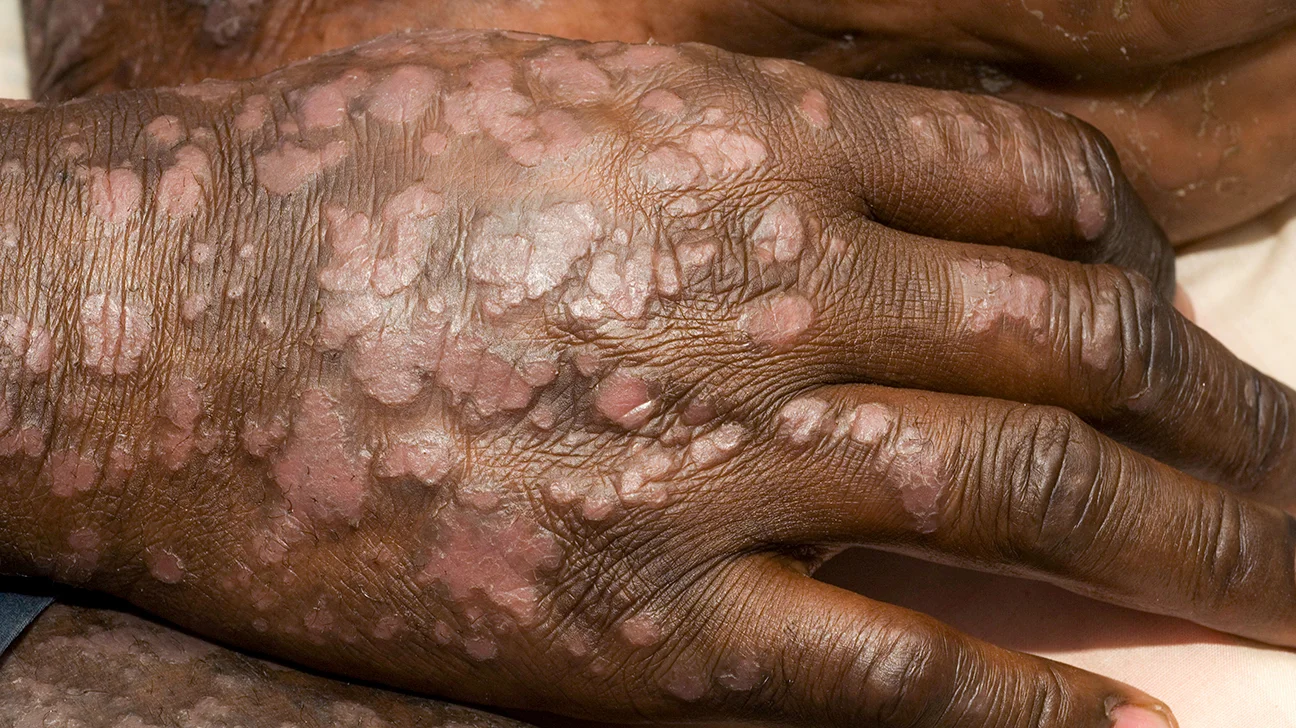
Psoriasis is a chronic inflammatory skin condition that affects millions of people worldwide. It causes red, scaly patches on the skin that can be itchy and painful. There is no cure for psoriasis, but there are many treatments available to manage the symptoms and improve the quality of life of patients.
Advertisement
The treatment of psoriasis depends on the severity, type, and location of the lesions, as well as the patient’s preferences, medical history, and response to previous therapies. Some of the common treatments for psoriasis include:
Topical medications: These are creams, ointments, gels, or lotions that are applied directly to the skin. They can help reduce inflammation, itching, scaling, and redness. Some examples of topical medications are corticosteroids, vitamin D analogs, calcineurin inhibitors, coal tar, salicylic acid, and anthralin.
Advertisement

Phototherapy: This is the use of ultraviolet (UV) light to treat psoriasis. It can help slow down the growth of skin cells and reduce inflammation. Phototherapy can be done in a doctor’s office or at home with a special device. There are different types of phototherapy, such as narrow-band UVB, broadband UVB, psoralen plus UVA (PUVA), and excimer laser.
Systemic medications: These are drugs that are taken orally or injected into the body. They work by suppressing or modifying the immune system, which is overactive in psoriasis. Systemic medications are usually reserved for moderate to severe psoriasis or when other treatments have failed. Some examples of systemic medications are methotrexate, cyclosporine, acitretin, apremilast, and biologics.
Biologics are a newer class of systemic medications that target specific molecules involved in the inflammatory process of psoriasis. They are made from living cells or proteins and are administered by injection or infusion. Biologics have shown high efficacy and safety in treating psoriasis, but they can also have serious side effects and require regular monitoring.
Leave a Reply