

Norovirus is a highly contagious virus that causes gastroenteritis, an inflammation of the stomach and intestines. It’s often referred to as the stomach flu, although it’s not related to the influenza virus.
Advertisement
The main source of norovirus is fecal matter from infected individuals. The virus is present in the stool and vomit of infected people from the day they start to feel ill to at least three days after recovery, and sometimes up to two weeks. This means that norovirus can be easily spread if an infected person does not wash their hands properly after using the toilet or before preparing food.
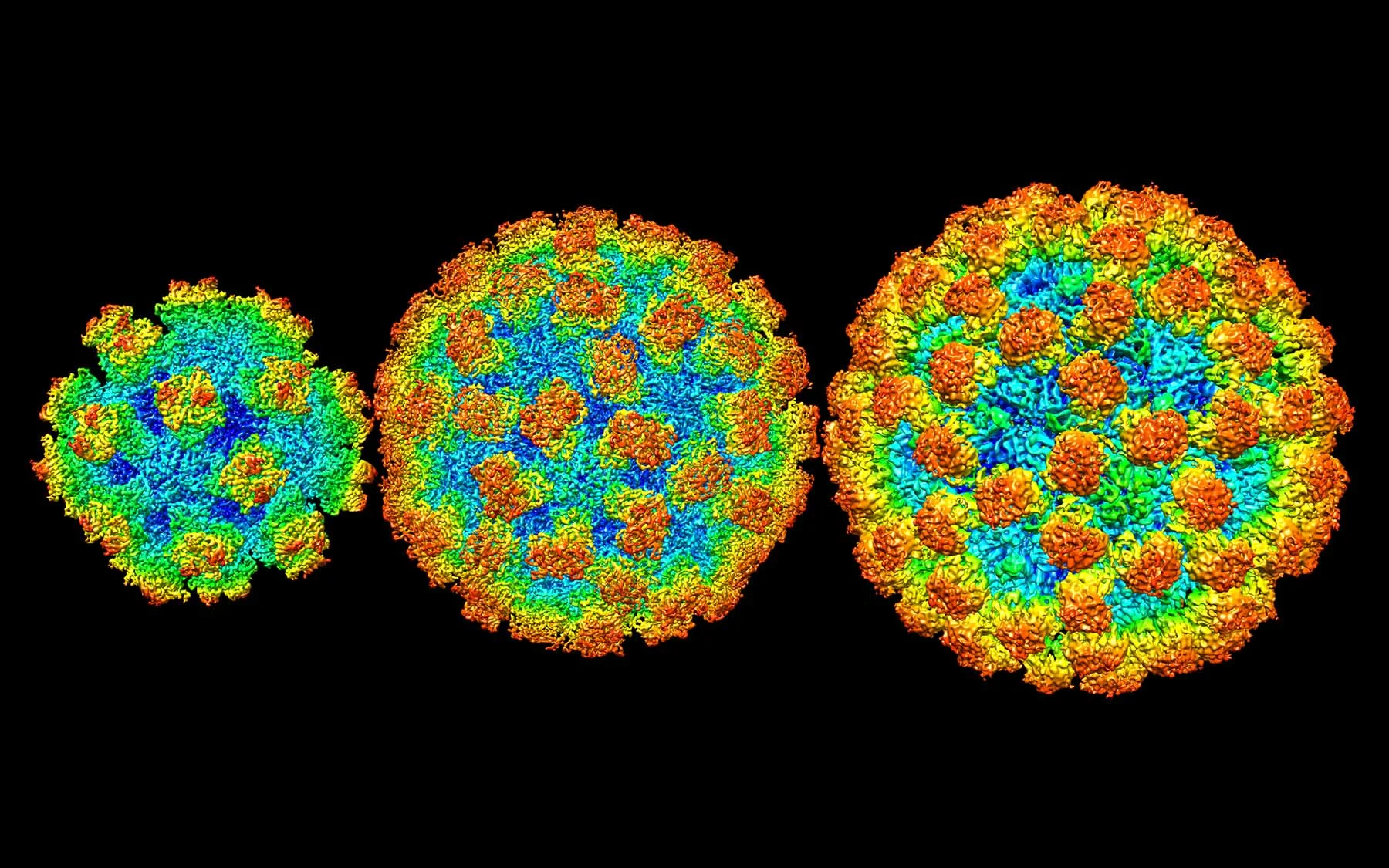
Norovirus is most commonly spread through the fecal-oral route. This can occur when an infected person does not wash their hands properly after using the toilet and then touches objects or food. Other people can then get infected by touching these contaminated objects or eating the contaminated food.
Advertisement
In addition, norovirus can also be spread through direct contact with an infected person, for example, by caring for or living with someone who has the virus. It can also be spread through consuming contaminated water or food, especially shellfish and fruit and vegetables that have been washed or irrigated with contaminated water.
Another common way norovirus spreads is through aerosolized particles. When an infected person vomits, tiny particles containing the virus can become airborne. These can then be swallowed by others, leading to infection.
It’s worth noting that norovirus is incredibly hardy. It can survive on surfaces for days or even weeks, and it’s resistant to many common disinfectants. This, combined with its high infectivity – it takes as few as 18 virus particles to cause infection – makes norovirus a very common cause of gastroenteritis outbreaks, particularly in semi-closed environments like cruise ships, nursing homes, schools, and childcare centers.
In conclusion, the main source of norovirus is infected individuals, and it’s most commonly spread through poor hand hygiene, contaminated food and water, and close contact with infected individuals. Its hardiness and high infectivity make it a common cause of gastroenteritis outbreaks.
Leave a Reply