

The Houthi rebels are one of two main factions controlling territory amidst Yemen’s ongoing civil war. They currently control the Western coast of the country, including its capital city, Sana’a. The Houthis initially began as a cultural revivalist movement in the 1990s for the Zaydi sect of Islam, which was practiced by approximately 35% of the Yemeni population.
Advertisement
Frustrated with the growing prominence of Saudi-Arabian Salafi Islam, which they felt repressed their Zaydi cultural and religious heritage, the Houthis launched several insurgencies against the Yemeni government between 2004 and 2010. During the Arab Spring in 2011, mass protests erupted in Yemen, leading to President Ali Abdullah Saleh’s resignation. Saudi Arabia backed Abdrabbuh Mansur Hadi as the new leader, a choice that the Houthis resented.
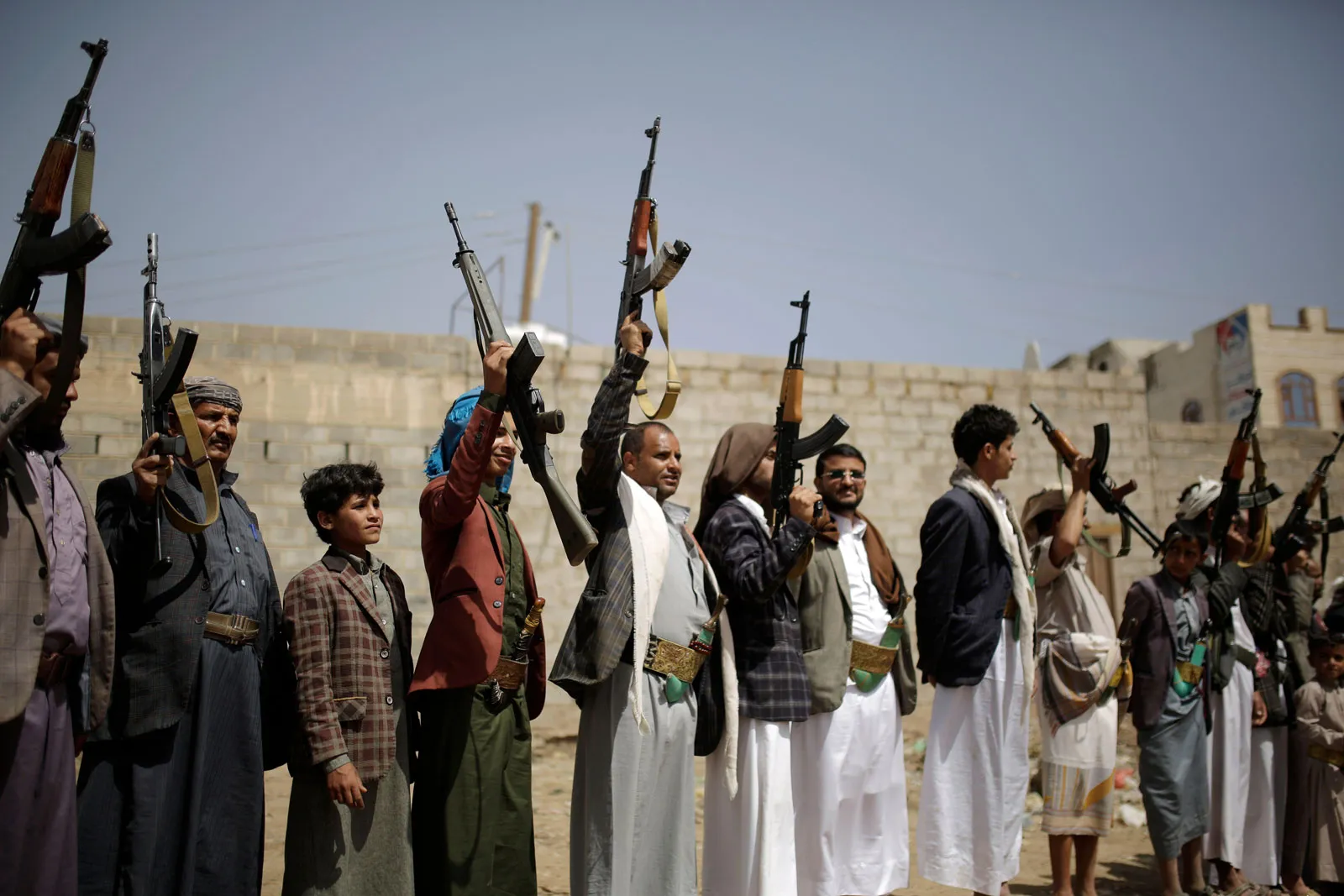
Their conflict with the Saudi-backed government has led them to become more closely allied with Iran, although experts caution against calling them a direct proxy. They have their own locally defined interests.
Advertisement
Why are the Houthis attacking ships in the Red Sea?
The Houthis have been launching missile attacks at cargo ships passing through the Red Sea, headed towards Israeli ports. By attacking Israeli ships, they may expand their support base across Yemen and the Arab world.
Additionally, it is believed that they are hoping to sabotage Saudi Arabia’s normalization with Israel, which had been in progress. Their actions have escalated tensions in the region and drawn international attention.
The Houthi rebels’ motivations are complex, driven by religious beliefs, opposition to corruption, and a desire to impose their social-political model. Their ability to adapt and seize opportunities in Yemen’s tumultuous political environment has been notable. Keep in mind that this is a simplified overview; there are many nuances to their goals and actions.
Leave a Reply