

Understanding Daylight Saving Time: A Clockwork Tradition
As the seasons shift and the days grow longer, many regions around the world embrace Daylight Saving Time (DST) as a means to extend daylight into the evening hours.
Advertisement
But what exactly happens during this time adjustment, and what occurs when DST kicks off?
The Start of Daylight Saving Time
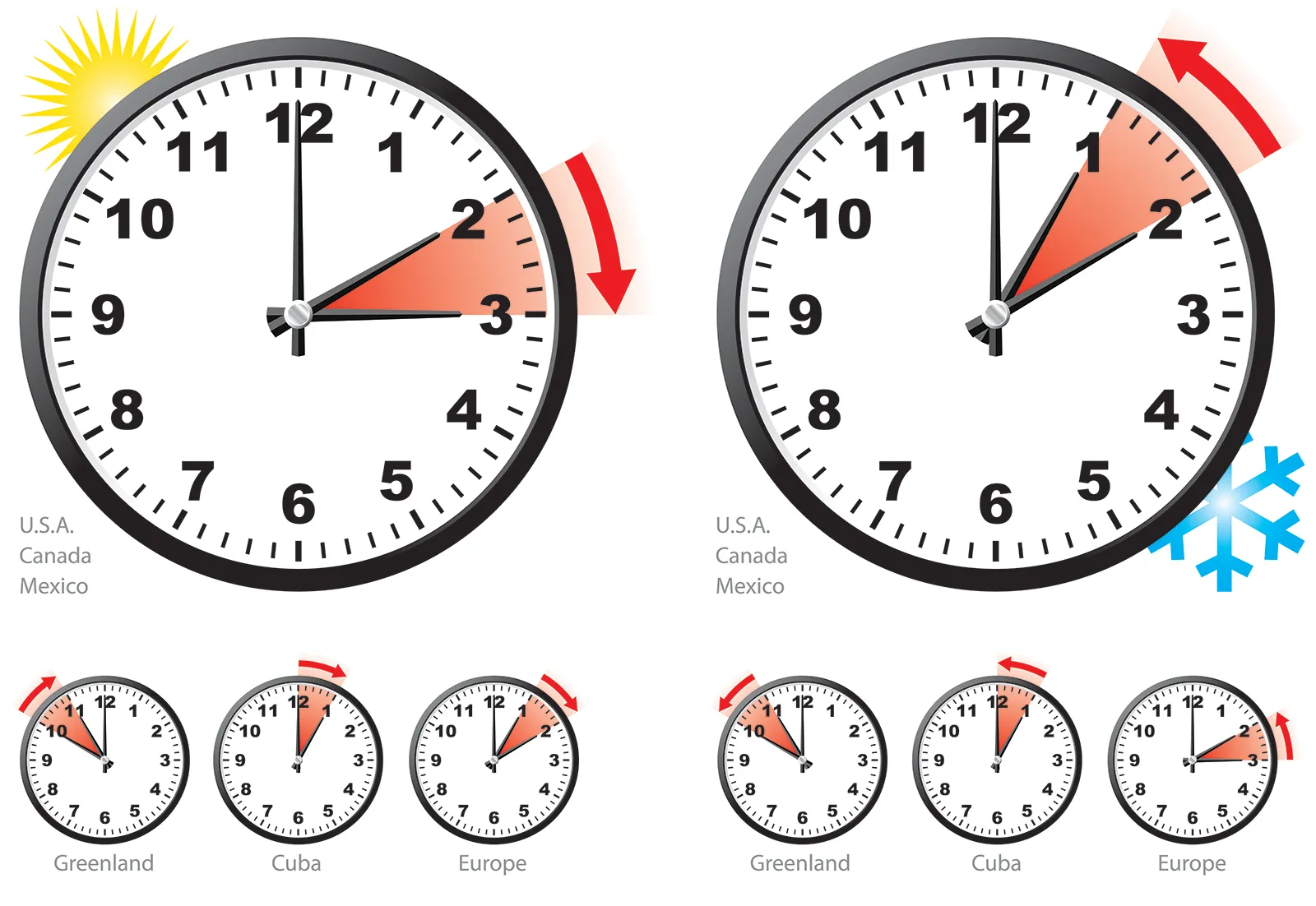
When Daylight Saving Time begins, typically on the second Sunday in March, clocks spring forward by one hour at 2:00 A.M.
This means that individuals effectively “lose” an hour of sleep as their clocks skip from 1:59 A.M. to 3:00 A.M.
This adjustment results in longer daylight hours in the evening, offering more opportunities for outdoor activities and extended productivity during the warmer months.
Advertisement
Purpose and Origins of Daylight Saving Time
Daylight Saving Time originated as a strategy to make better use of natural daylight and conserve energy by reducing the reliance on artificial lighting during the evenings.
Initially driven by efforts to save energy during World War I and conserve resources, DST has since evolved into a common practice in many countries worldwide.
Extended Hours, Extended Days
In the United States, Daylight Saving Time was extended in 2007 through the Energy Policy Act of 2005.
This legislation resulted in a longer DST period that begins earlier in March and ends later in November.
By maximizing daylight hours during waking hours, DST aims to promote energy efficiency and provide more opportunities for outdoor activities and productivity during the longer days of summer.
Leave a Reply