
Laryngopharyngeal Reflux (LPR) can be a silent intruder, affecting the glottis and vocal cords, and presenting a spectrum of symptoms. From hoarseness to chronic throat clearing, LPR demands attention and an effective treatment strategy. This article aims to unravel the labyrinth of medications used to address LPR and shed light on the crucial role they play in alleviating symptoms and preventing long-term complications.
Advertisement

The Symphony of Symptoms
LPR symptoms, including hoarseness, Globus sensation, and chronic throat clearing, can significantly impact the quality of life. Left untreated, LPR may progress to chronic vocal injury, causing scarring of the true vocal folds and persistent hoarseness.
The Timely Intervention: Treatment and Its Timeline
For many patients, relief comes within 2 to 3 months of treatment. However, the complete resolution of throat and voice symptoms may take 6 months or longer. This emphasizes the importance of committing to an initial treatment plan for approximately 6 months.

Fort Worth ENT
Untreated LPR: A Pandora’s Box of Troubles
Neglecting LPR can lead to various troubling conditions, from a sore throat and vocal cord ulcers to the formation of granulomas in the throat. The repercussions extend to worsening asthma, emphysema, and bronchitis. In severe cases, untreated LPR may even elevate the risk of cancer in the voice box (larynx).
Long-term Complications: Beyond the Throat
Beyond the immediate throat symptoms, LPR is associated with long-term complications such as bronchopulmonary disorders, recurrent pneumonia, chronic cough, chronic or recurrent laryngitis, and oral cavity disorders. It also emerges as a potential risk factor for the development of laryngeal carcinoma.
The Culprits: Identifying Trigger Foods and Beverages
Certain dietary choices can exacerbate LPR symptoms. Soft drinks like Coke and Pepsi, known for their acidity and carbonation, can lead to belching and further reflux of acid into the throat. Acidic juices, such as orange, grapefruit, and cranberry, are culprits as well. The avoidance of chocolate and mints is also recommended.
Silent Nights, Silent Symptoms: Nighttime Manifestations
While LPR usually doesn’t cause chest-burning symptoms, patients may experience nighttime discomfort. Nighttime symptoms include asthma, a bitter taste in the throat, chronic cough, or excessive throat clearing. Waking up with a sore throat, a hoarse or croaky voice, and a sensation of phlegm are common, potentially leading to workplace embarrassment or annoyance to colleagues and family members.
Advertisement

Therapy Insights
Common LPR Symptoms: Identifying the Telltale Signs
The most prevalent symptoms of LPR include excessive throat clearing, coughing, hoarseness, and globus pharyngeus (the “lump in the throat” sensation). Hoarseness, often fluctuating, is typically more pronounced in the morning and tends to improve throughout the day.
Dietary Measures: Foods That Neutralize Stomach Acid
For those seeking immediate relief, non-citrous fruits like bananas can help neutralize stomach acid. Bananas, with their alkaline properties, serve as a natural antacid and provide quick relief from acid reflux and heartburn. Incorporating these into the diet can be a simple yet effective measure.
The Domino Effect: Ignoring Symptoms and Consequences
Brushing off LPR symptoms, or its more serious counterpart, Gastroesophageal Reflux Disease (GERD), can lead to consequential health issues. When stomach juices repeatedly wash back up, the esophagus, teeth, and other structures may suffer damage over time.
Medication Arsenal: Proton Pump Inhibitors (PPIs) Take Center Stage

Houston Heartburn Center
Proton Pump Inhibitors (PPIs) emerge as the cornerstone in the medication arsenal for LPR treatment.
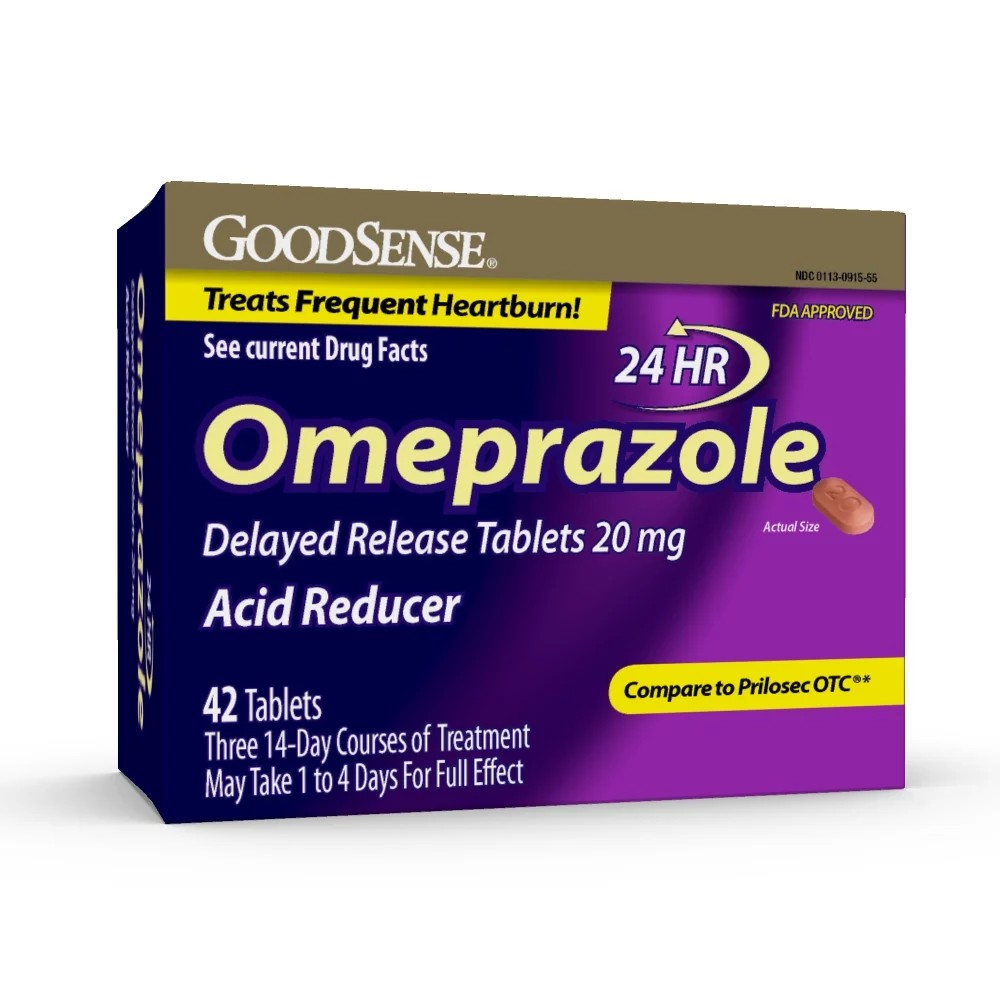
They are the most effective medicines and require higher doses for a prolonged period compared to GERD. PPIs work by decreasing the amount of acid the stomach produces, providing long-lasting relief from symptoms.

Gaviscon
Lifestyle Adjustments: Complementing Medication with Habits
In addition to medication, lifestyle adjustments play a crucial role in managing LPR. Suggestions include:
- Eating smaller, more frequent meals
- Avoiding rich, spicy, and acidic foods
- Consuming dinner earlier
- Sleeping on the left side
- Minimizing excessive burping
- Reducing abdominal pressure
- Quitting smoking
- Limiting alcohol intake
Diagnostic Measures: Understanding pH Levels and Monitoring
LPR diagnosis often involves sophisticated methods such as esophageal pH monitoring. The Restech pH probe, placed into the back of the nose for 18-24 hours, provides valuable insights into reflux events. Monitoring pH levels in the esophagus, ideally close to 7.0, helps gauge acidity and tailor treatment accordingly.
The Road to Recovery: Treatment Duration and Outlook
The journey to recovery from LPR varies among individuals. While most patients require some treatment most of the time, some may need continuous medication. Complete recovery is possible for some, followed by potential relapses after months or years.
Specialized Care: Seeking Help from ENT Specialists
A specialized ear, nose, and throat (ENT) doctor is essential for diagnosing and treating LPR. Understanding symptoms, diagnostic tests, and treatment options is pivotal in navigating the path to relief.
Crafting a Holistic Approach
Addressing laryngopharyngeal Reflux requires a comprehensive approach encompassing medication, dietary adjustments, and lifestyle modifications. Proton Pump Inhibitors, complemented by healthy habits, offer a promising route to relief. Timely diagnosis and intervention, coupled with a commitment to treatment, pave the way for managing LPR effectively and mitigating potential long-term complications. Consulting with healthcare professionals remains paramount for personalized guidance and a roadmap to a symptom-free life.
Leave a Reply