
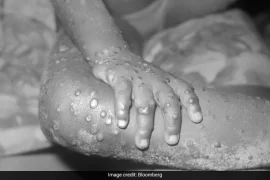
Monkeypox is a viral disease. Transmission to humans can occur through contact with an infected animal or human or human body material containing the virus.
Advertisement
Transmission between humans mainly occurs through large respiratory droplets. As droplets cannot travel far, prolonged face-to-face contact is needed.
What does Monkeypox do to humans?
In humans, the symptoms of monkeypox are similar to but milder than the symptoms of smallpox. Monkeypox begins with fever, headache, muscle aches, and exhaustion.
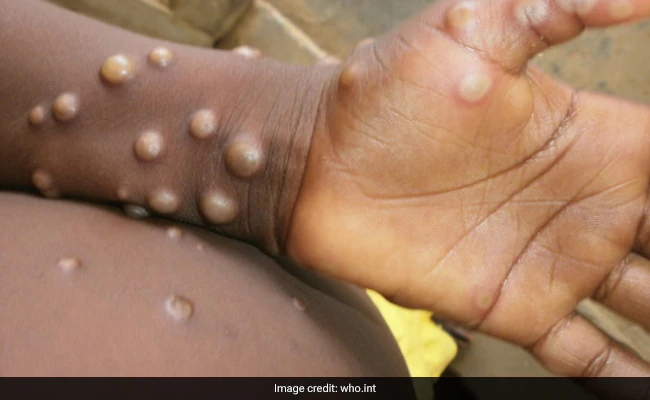
Image Credit: NDTV
The main difference between the symptoms of smallpox and monkeypox is that monkeypox causes lymph nodes to swell (lymphadenopathy) while smallpox does not.
Advertisement
Who is most affected by monkeypox?
Human infection with the monkeypox virus occurs most frequently in the 5-9-year-old age group, particularly in small villages where the children hunt and eat squirrels and other small mammals.
Estimates of the case-fatality rate for monkeypox in Africa vary from 1% to 15%, with the highest risk of death in young children.
In one study of 300 patients in the Democratic Republic of Congo, the overall mortality rate was 10% and the mortality rate in unvaccinated children was 15-20%.
Leave a Reply