
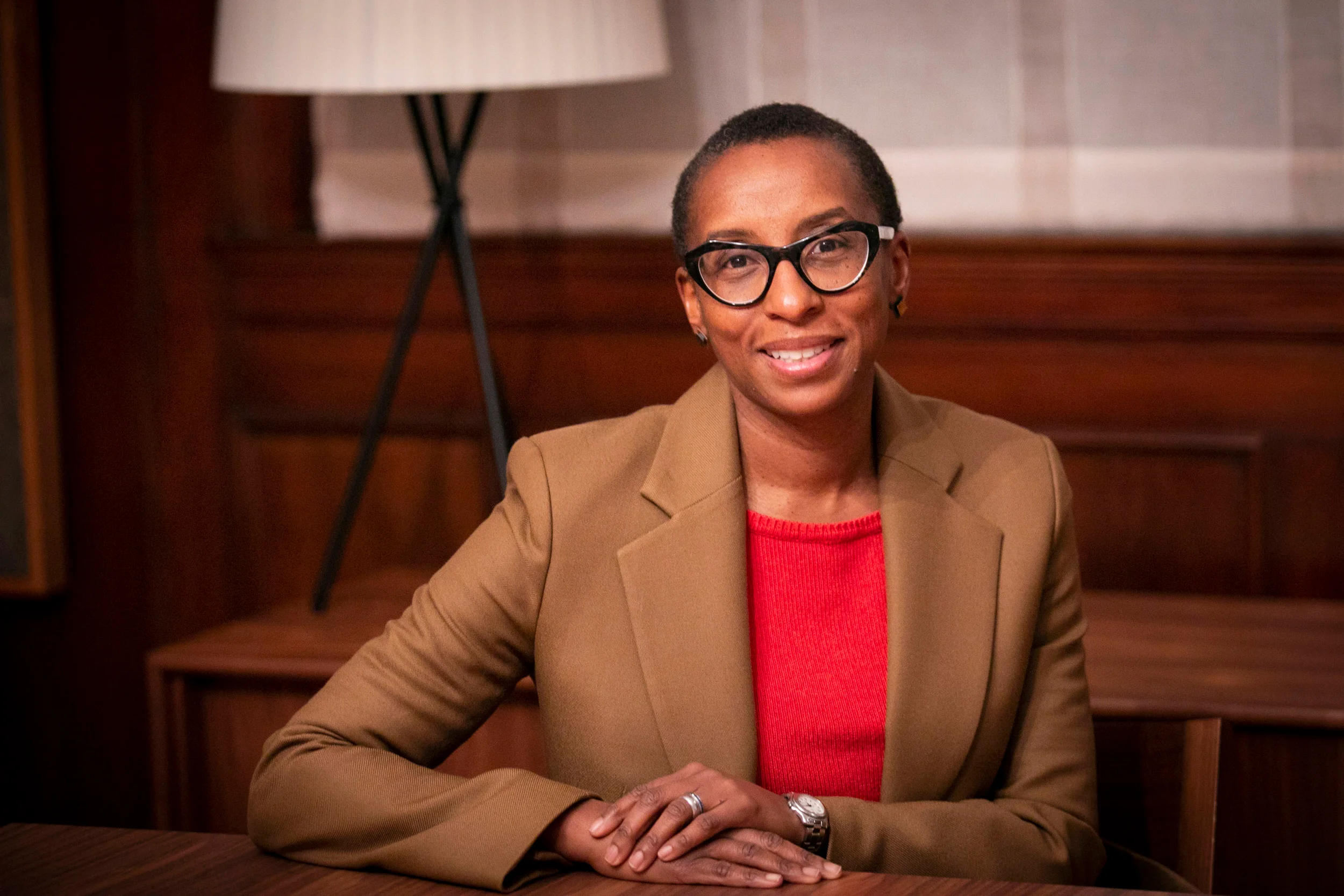
In a show of solidarity, over 700 faculty members at Harvard University have signed a letter urging administrators to resist mounting calls for the removal of the school’s president, Claudine Gay.
Advertisement
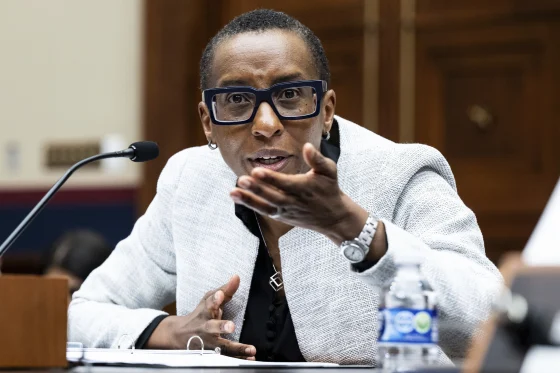
The plea comes in the wake of the president’s testimony at a recent congressional hearing on campus antisemitism, which ignited a fierce debate on the handling of free expression and hate speech.
The controversy stems from President Gay’s appearance at the congressional hearing, where she faced a heated exchange with Rep. Elise Stefanik regarding the punishment for students advocating the genocide of Jews. Gay expressed her personal abhorrence for such speech but avoided directly addressing whether it violated the school’s code of conduct, emphasizing a commitment to free expression.
The pressure on President Gay intensified following the resignation of University of Pennsylvania President Liz Magill, along with criticisms directed at Massachusetts Institute of Technology President Sally Kornbluth. Both presidents, including Gay, have faced backlash for what critics describe as evasive responses during the congressional hearing.
Advertisement
Despite the calls for her removal and the subsequent public outcry, President Gay has since issued an apology for her remarks. In an interview with the Harvard Crimson student newspaper, she acknowledged getting caught up in a combative exchange and failing to effectively convey her perspective.
The testimony of the university presidents went viral on social media and drew condemnation from various quarters, including political leaders, the White House, and prominent figures like Rep. Stefanik and billionaire investor Bill Ackman. The controversy has ignited a broader conversation on the delicate balance between free expression and policies against bullying and harassment within academic institutions.
As the Harvard community navigates these challenges, the letter from faculty members signals a collective effort to safeguard the university’s commitment to academic freedom amid external pressures. The developments continue to unfold, with President Gay’s leadership and the broader conversation on free expression taking center stage.
Leave a Reply