

Gregory Hines, the affable and sophisticated dancer, singer, and actor whose name became synonymous with classical tap in the 1980s and 90s, passed away on a late Saturday night while en route to a Los Angeles hospital from his residence. He was 57.
Advertisement
Yvette Glover, a close friend and the mother of tap-dancer Savion Glover, confirmed that the cause of his death was cancer. Savion Glover often referred to Mr. Hines as a mentor, highlighting the profound impact he had on the world of tap dance.
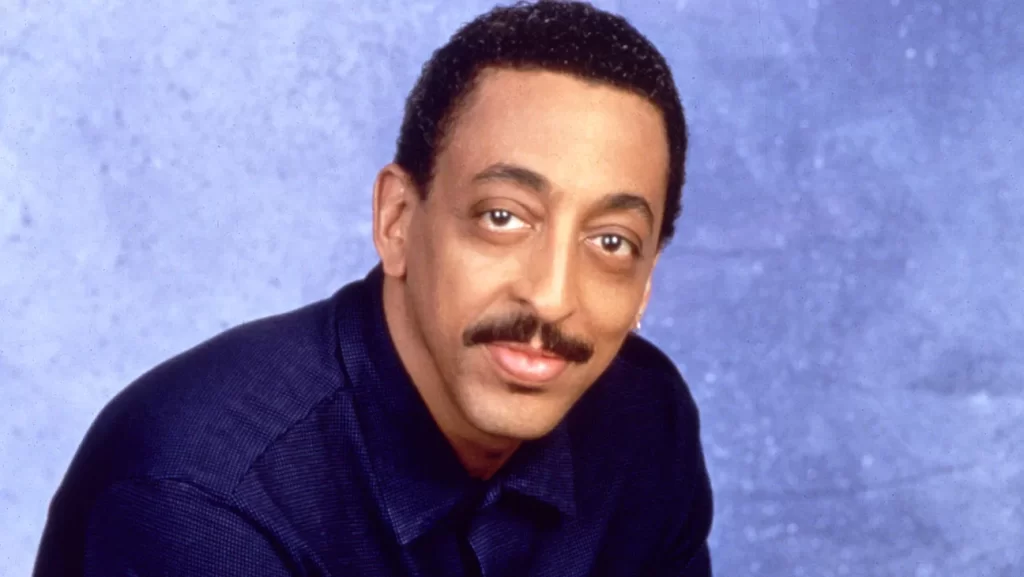
Commencing his professional dance career as a young child, Gregory Hines transcended his roots to become an exceptionally successful crossover artist in theater, film, and television. His accolades include a Tony Award for Best Actor in a Musical in 1992 for his portrayal of Jelly Roll Morton, the groundbreaking jazz composer. This marked his fourth Tony nomination as a performer. Not only did he exhibit his versatility on stage, but he also co-hosted the Tony Award ceremony in the previous year with Bernadette Peters.
Advertisement
Hines graced the silver screen with appearances in major films such as Francis Ford Coppola’s “Cotton Club” and “White Nights” alongside Mikhail Baryshnikov, where he played an American defector to the Soviet Union. His television ventures included the sitcom “The Gregory Hines Show” on CBS in 1997, along with recurring roles on “Will & Grace” (NBC) and “Lost at Home” (ABC).
Despite his diverse career, Gregory Hines remained dedicated to his tap dance origins, tirelessly advocating for the art form in the United States. His efforts led to the successful establishment of National Tap Dance Day in 1988, now celebrated in 40 cities across the U.S. and eight other nations. In 1996, during his acceptance speech for an award from Career Transition for Dancers, he criticized the organizers for not featuring tap in the gala’s program.
Anna Kisselgoff, dance critic of The New York Times, noted Hines’s virtuosity and evolving style, emphasizing his ability to infuse weight-shifting movements with rhythmic intricacies. He continued to inspire a new generation of tap dancers, nurturing talents like Savion Glover, Dianne Walker, Ted Levy, and Jane Goldberg, while consistently paying homage to the pioneers of tap.
Gregory Hines’s connection to tap history was profound, rooted in childhood experiences. In the foreword to Rusty E. Frank’s book, “Tap!,” he reminisced about an enlightening three-hour lesson in tap history given by the master dancer Bunny Briggs during a late-night train journey with his brother, Maurice. The legacy of Gregory Hines endures not only in the echoes of his rhythmic footwork but in the enduring impact he had on the world of dance and entertainment.
Leave a Reply