

The bubonic plague is an infection of the lymphatic system, usually resulting from the bite of an infected flea, Xenopsylla cheopis (the Oriental rat flea). Several flea species carried the bubonic plague, such as Pulex irritans (the human flea), Xenopsylla cheopis, and Ceratophyllus fasciatus.
Advertisement
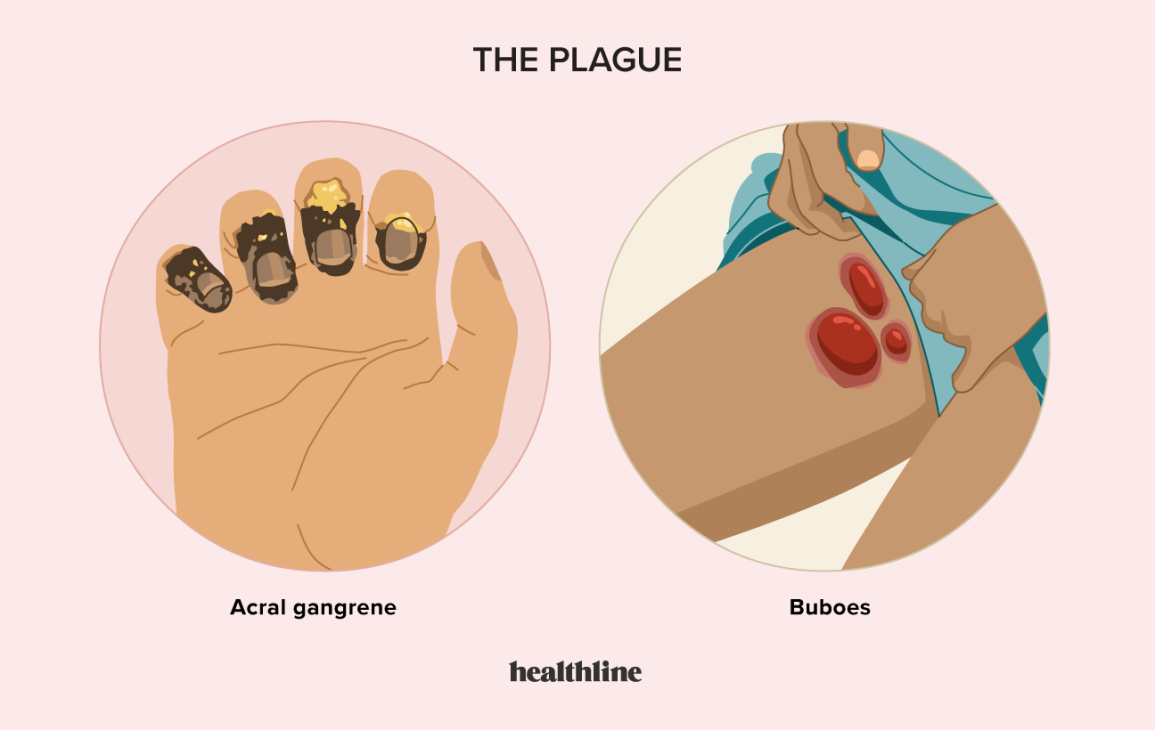
What causes the bubonic plague?
Bubonic plague is the most common form of plague and is caused by the bite of an infected flea. Plague bacillus, Y. pestis, enters at the bite and travels through the lymphatic system to the nearest lymph node where it replicates itself.
Advertisement
Bubonic plague is a type of infection caused by the Yersinia pestis (Y. pestis) bacterium which is spread mostly by fleas on rodents and other animals. Humans who are bitten by the fleas then can come down with the plague.
Bubonic plague deaths exceeded 25 million people during the fourteenth century. This was about two-thirds of the population in Europe at the time. Rats traveled on ships and brought fleas and plagues with them.
Leave a Reply