
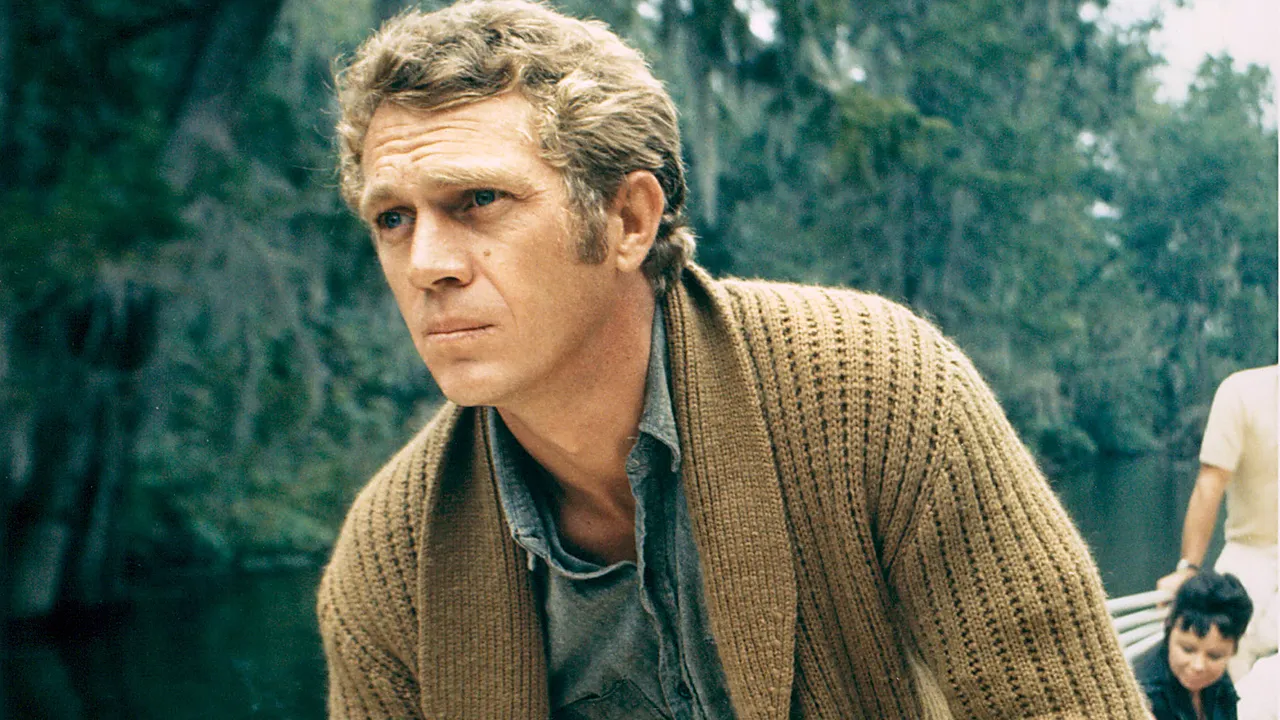
Steve McQueen, the iconic American actor and racing driver, met an untimely demise on November 7, 1980, due to complications from a heart attack.
Advertisement
At the age of 50, McQueen passed away at 3:45 a.m. at a hospital in Juárez, Mexico, just 12 hours after undergoing surgery to address numerous metastatic tumors in his neck and abdomen.
Reports from the El Paso Times indicate that McQueen succumbed to his heart attack while sleeping peacefully. His death sent shockwaves through the entertainment industry and left legions of fans mourning the loss of one of Hollywood’s most beloved stars.
Following his passing, Leonard DeWitt of the Ventura Missionary Church presided over McQueen’s memorial service, providing solace to friends, family, and admirers grappling with the sudden loss.
In accordance with his wishes, McQueen was cremated, and his ashes were scattered in the vast expanse of the Pacific Ocean, forever uniting him with the endless horizon he so often sought solace in during his lifetime.
Advertisement
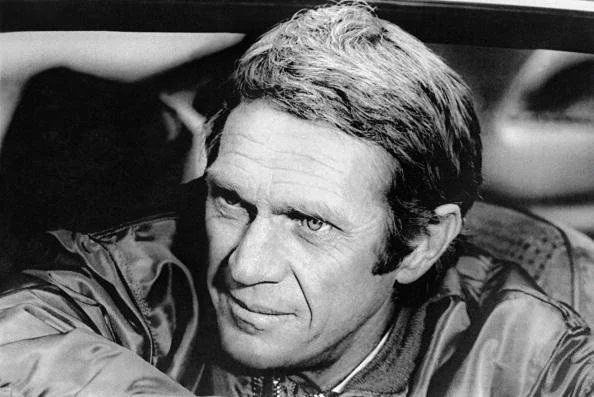
Despite his untimely departure, McQueen’s legacy endured, with his status as the “King of Cool” firmly intact. Even 27 years after his death, Forbes recognized McQueen as one of the highest-earning deceased celebrities, a testament to his enduring popularity and cultural impact.
In recognition of his contributions to the film industry, McQueen was posthumously inducted into the Hall of Great Western Performers in April 2007. The ceremony, held at the National Cowboy & Western Heritage Museum, honored McQueen’s remarkable talent and enduring influence on the genre of Western cinema.
Though he may have left this world prematurely, Steve McQueen’s indomitable spirit and larger-than-life persona continue to captivate audiences worldwide, ensuring that his legend will live on for generations to come.
Leave a Reply