
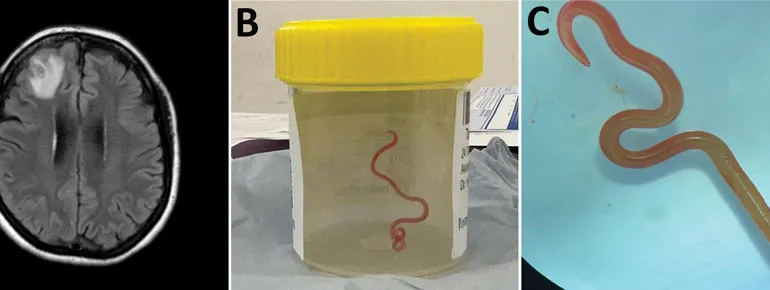
What are the symptoms of worms in the brain? How do you know if you have a brain infection?
Advertisement
In the realm of medical mysteries, the symptoms associated with brain infections caused by parasitic worms have emerged as a significant concern. Delving into the intricacies of these symptoms and understanding their implications has become paramount in early detection and effective treatment. As medical professionals continue to navigate the complexities of such infections, the question of recognizing brain infection symptoms takes center stage.
The journey of parasitic worms, such as Parelaphostrongylus tenuis, into the brain is an astonishing tale of adaptation. These worms, which usually find their habitat within the bodies of white-tailed deer, take an unconventional route when infecting humans. The process begins with the laying of eggs on the dura mater, the outermost layer of the meninges encompassing the brain and spinal cord. Alternatively, adult worms can introduce their eggs directly into the bloodstream of their primary host—the deer. The eggs eventually hatch into larvae that journey through the bloodstream.
When these worms find their way into the human brain, the consequences can be dire. Seizures and headaches are the most prevalent symptoms associated with brain infections caused by parasitic worms. However, the impact does not end there. Confusion, an inability to focus on people and surroundings, difficulties with balance, and the presence of excess fluid around the brain—referred to as hydrocephalus—may also manifest. In severe cases, these infections can lead to fatality.
Advertisement
Brain infections, including those caused by parasitic worms, can share symptoms with other neurological conditions, making accurate diagnosis a challenging endeavor. Seeking medical attention promptly is crucial if any of these symptoms are observed, as early intervention can greatly impact the outcome of treatment.
Moreover, it’s essential to consider a broader spectrum of brain infections, such as those stemming from brain abscesses. Symptoms of a brain abscess can mirror those of infections caused by parasitic worms. These include severe headaches, often localized to a specific section of the head and resistant to conventional pain relief methods. Changes in mental state, like confusion or irritability, might also be observed. Furthermore, problems related to nerve function, such as muscle weakness, slurred speech, or even paralysis on one side of the body, can signify the presence of a brain abscess.
Recognizing the subtleties of these symptoms and seeking medical evaluation at the earliest sign of trouble is pivotal. Medical professionals possess the expertise to differentiate between various types of brain infections and provide appropriate courses of action, which may include diagnostic tests and targeted treatments.
As the medical community strives to unlock the mysteries of these complex infections, awareness remains a potent tool. Understanding the symptoms associated with brain infections caused by parasitic worms and related conditions empowers individuals to take swift action, potentially saving lives and mitigating the impact of these enigmatic invaders.
Leave a Reply