
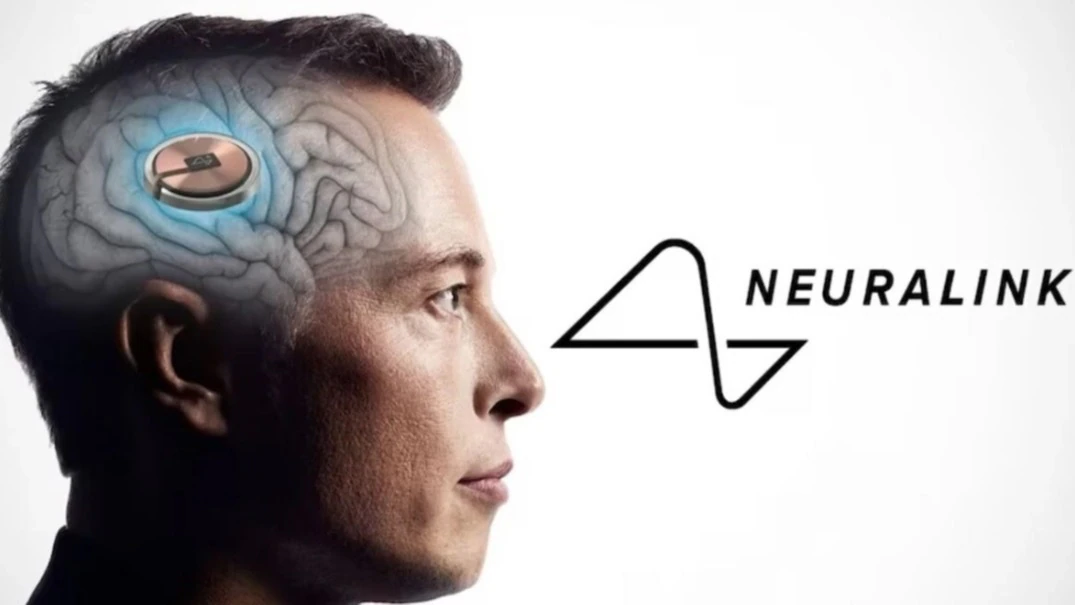
Neuralink is a company founded by Elon Musk that aims to develop a brain-computer interface (BCI) that can connect human brains to computers and devices.
Advertisement
The company claims that its device, called the Link, can treat neurological diseases, restore movement and vision, and enable telepathy. However, the technology also comes with potential risks and challenges that need to be addressed.

One of the main risks of Neuralink is the surgical procedure required to implant the device into the brain. The Link is a coin-sized chip that is inserted under the skull by a robotic needle that pierces through the brain tissue. The chip is connected to thin wires that fan out into different regions of the brain, where they record and stimulate neural activity. The surgery is invasive and may cause bleeding, infection, inflammation, scarring, or damage to the brain tissue or blood vessels.
Advertisement
Another risk of Neuralink is the security and privacy of the data collected by the device. The Link can read and decode neural signals, which may reveal sensitive information about a person’s thoughts, emotions, memories, preferences, or intentions. The device can also transmit data back to the brain, which may influence or alter a person’s behavior, perception, or cognition. The data could be hacked, stolen, manipulated, or misused by malicious actors or third parties.
A third risk of Neuralink is the ethical and social implications of the technology. The Link could create new forms of inequality, discrimination, or exploitation between those who have access to the device and those who do not. The device could also raise questions about human identity, agency, autonomy, and dignity. The device could challenge the boundaries between human and machine, natural and artificial, and individual and collective.
Neuralink is a promising but risky technology that could have profound impacts on human society and culture. The technology needs to be carefully tested, regulated, and monitored to ensure its safety, efficacy, and ethicality.
Leave a Reply