
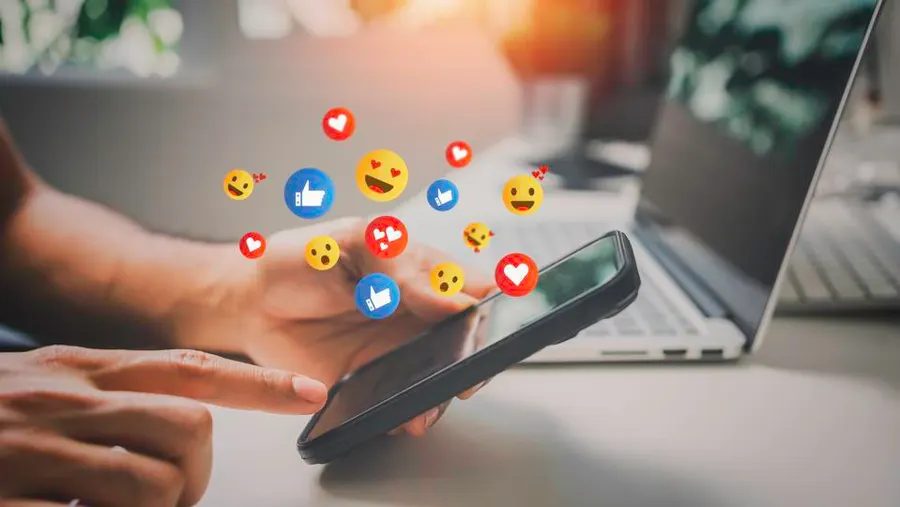
The Dark Side of Social Media: Unmasking the Impact on Student Well-being
Advertisement
In the age of digital connectivity, social media has seamlessly woven itself into the fabric of students’ lives, offering a platform for communication, expression, and social interaction. However, the seemingly harmless allure of these virtual communities harbors a darker side, especially when it comes to the impact of social media addiction on students.
The Pervasive Influence: Social Media Addiction Among Students
Social media, with its interactive technologies, serves as a double-edged sword for students. While it facilitates the sharing of content, ideas, and interests, the addictive nature of prolonged social media use can manifest in detrimental effects that extend beyond the virtual realm.

The Troubling Consequences: Negative Effects on Student Well-being
- Anxiety and Depression: A significant repercussion of social media addiction among students is an increased risk of anxiety and depression. The constant exposure to curated and often idealized lives of peers can lead to feelings of inadequacy and a distorted sense of self-worth.
- Increased Isolation: Paradoxically, the excessive use of social media can contribute to increased isolation among students. The digital connections formed online may not necessarily translate into meaningful real-world relationships, leaving students feeling disconnected despite being virtually connected.
- Decreased Physical Activity: The sedentary nature of social media use can lead to decreased physical activity among students. Hours spent on platforms scrolling through feeds often replace the time that could be dedicated to exercise, contributing to health issues such as obesity and lethargy.
- Low Self-Esteem: Social media platforms can inadvertently become arenas for comparison, fostering an environment where students constantly measure their achievements and appearances against their peers. This perpetual cycle of comparison can erode self-esteem and contribute to a negative self-image.
- Poor Academic Performance: The addictive nature of social media can interfere with academic focus and concentration, leading to poor school performance. The constant distraction from assignments and studying can hinder a student’s ability to excel in their academic endeavors.
Social Media Harms: Distractions, Sleep Disruptions, and Peer Pressures
Beyond the overarching negative effects, social media addiction among students comes with specific harms that disrupt their daily lives:
Advertisement
- Distractions: Social media acts as a constant source of distraction for students. The temptation to check notifications, scroll through feeds, and engage in online interactions can divert their attention from essential academic tasks.
- Sleep Disruptions: Prolonged use of social media, especially before bedtime, can disrupt students’ sleep patterns. The blue light emitted by screens interferes with the natural sleep-wake cycle, leading to sleep deprivation and fatigue.
- Exposure to Bullying and Rumors: Social media platforms may become breeding grounds for cyberbullying and the spread of rumors. Students can be vulnerable to online harassment, affecting their emotional well-being and social standing.
- Unrealistic Views of Lives: Social media often portrays idealized versions of people’s lives, creating unrealistic expectations and standards for students. This can fuel a sense of inadequacy and pressure to conform to unrealistic ideals.
- Peer Pressure: The peer pressure experienced on social media can be intense. Students may feel compelled to conform to societal expectations, trends, or behaviors that may not align with their values or well-being.
Navigating the Digital Landscape: Encouraging Healthy Social Media Use
Understanding the negative effects of social media addiction on students is crucial for fostering a healthy relationship with technology. Educational institutions, parents, and students themselves can take proactive steps to mitigate these effects:
- Digital Literacy Programs: Incorporate digital literacy programs in school curricula to educate students about the potential risks and responsible use of social media.
- Open Communication: Encourage open communication between parents, educators, and students regarding the impact of social media. Establish a supportive environment where students feel comfortable discussing their online experiences.
- Set Healthy Boundaries: Establish clear guidelines for social media use, emphasizing the importance of balancing online and offline activities. Encourage breaks from screens to promote physical activity and real-world interactions.
- Monitor and Support: Parents and educators can monitor students’ online activities and intervene if signs of social media addiction or negative effects emerge. Provide support and resources for mental health and well-being.
While social media offers a myriad of benefits, acknowledging its potential negative effects on students is crucial. By fostering awareness and implementing strategies to promote healthy social media use, we can empower students to navigate the digital landscape responsibly and prioritize their well-being in an ever-connected world.
Leave a Reply