While Víctor Jara is primarily known for his influential role in Chilean folk music and his activism, there are several fun facts about him
Advertisement
Early Career in Accounting
Before fully dedicating himself to music and activism, Víctor Jara studied accounting. His initial pursuit of a career in finance took a turn when he entered a seminary, eventually leading him to the path of folk music and theater.
Singing to Boost Morale
During his detainment at Estadio Chile, Jara, despite facing torture and brutality, used his musical talents to boost the morale of fellow detainees. He defiantly sang “Venceremos (We Will Win),” the anthem of Salvador Allende’s 1970 election campaign, showcasing his unwavering spirit.
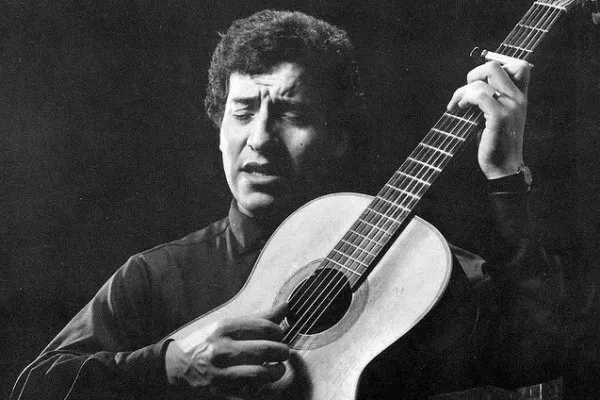
Victor Jara Image Credit: The New York Times
Poet and Lyricist
Beyond his musical prowess, Jara was a talented poet and lyricist. His ability to capture poignant emotions and societal issues in his lyrics added depth and meaning to his songs. The lyrics he wrote in his final moments, “Estadio Chile,” are a testament to his poetic sensibilities.
Connection to Pablo Neruda
Víctor Jara had a connection to the renowned Chilean poet Pablo Neruda. Jara set some of Neruda’s poems to music and performed at a ceremony honoring Neruda after he received the Nobel Prize in Literature in 1972.
Advertisement
Contribution to Nueva Canción Movement
Jara played a pivotal role in the Nueva canción chilena (New Chilean Song) movement, which sought to revitalize traditional Latin American folk music. His contributions helped shape a new genre that blended folk tunes with contemporary themes of social justice.
Prohibition of “La beata”
Early in his career, Jara released a controversial song titled “La beata,” a traditional comic song depicting a religious woman with a crush on a priest. The song was banned from radio stations and removed from record shops, adding to Jara’s reputation among progressive Chileans.
Political Activism and Global Impact
Beyond his involvement in Chilean politics, Víctor Jara was an advocate for global causes. He participated in protests against the Vietnam War in Helsinki in 1969, showcasing his commitment to broader international issues.
Posthumous Recognition
Despite his tragic death in 1973, Víctor Jara’s influence and legacy have continued to grow. In 2016, he was posthumously awarded the Grammy Lifetime Achievement Award for his significant contributions to music and activism.
Where Is Victor Jara Buried?
Víctor Jara is buried in Santiago, Chile, at the General Cemetery (Cementerio General). After his murder in 1973, his body was initially displayed at the entrance of Chile Stadium, where other prisoners could witness the brutality inflicted upon him. Later, his body was discarded outside the stadium. Civil servants found his body and brought it to a morgue, where it was identified by one of them. His wife, Joan Jara, took his body and arranged for a quick and clandestine burial in the General Cemetery before fleeing the country into exile.


Leave a Reply