

Cancer is a group of diseases that can affect any part of the body. It happens when abnormal cells grow out of control and form tumors that can damage nearby tissues or spread to other organs. The sooner cancer is detected, the better the chances of successful treatment.
Advertisement
That’s why it’s important to know the possible signs and symptoms of cancer and see your doctor if you notice anything unusual or persistent. Here are 20 warning signs of cancer that you should not ignore:
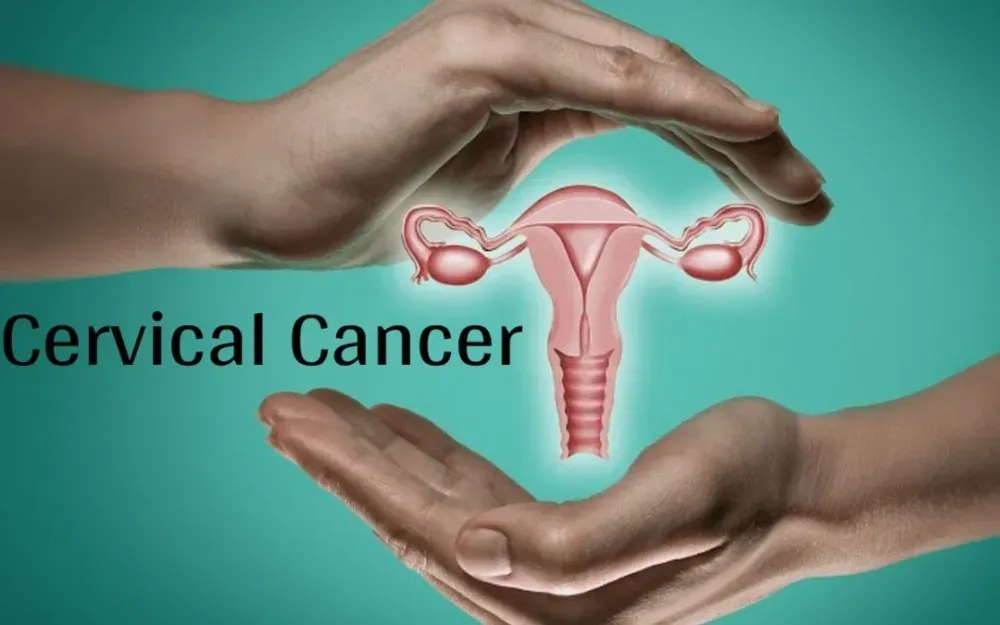
1. Unexplained weight loss. If you lose 10 pounds or more without trying, it could be a sign of cancer, especially in the stomach, esophagus, pancreas, or lung.
2. Fatigue. If you feel tired all the time and rest doesn’t help, it could be a sign of cancer, especially leukemia, lymphoma, or colon or stomach cancer.
3. Fever. If you have a high fever that lasts for more than 3 days or comes and goes, it could be a sign of cancer, especially blood cancers like leukemia or lymphoma.
4. Pain. If you have pain that doesn’t go away or gets worse, it could be a sign of cancer, especially bone cancer, brain tumors, or ovarian or pancreatic cancer.
5. Skin changes. If you notice any changes in your skin, such as a new mole, a change in an old mole, a sore that doesn’t heal, or a lump that bleeds or turns scaly, it could be a sign of skin cancer. Other skin changes, such as darkening, yellowing, itching, or increased hair growth, could be signs of liver, kidney, or ovarian cancer or lymphoma.
6. Sores that don’t heal. If you have sores in your mouth, genitals, or anus that don’t heal, it could be a sign of oral, cervical, or anal cancer.
7. Cough or hoarseness that doesn’t go away. If you have a cough that lasts for more than 3 weeks or hoarseness that lasts for more than 2 weeks, it could be a sign of lung, throat, or thyroid cancer.

8. Unusual bleeding. If you have blood in your stool, urine, vomit, sputum, or saliva, it could be a sign of cancer in your digestive or urinary tract. If you have blood in your nipple discharge, it could be a sign of breast cancer. If you have abnormal vaginal bleeding, it could be a sign of cervical or uterine cancer.
Advertisement
9. Anemia. If you have low levels of red blood cells, which carry oxygen throughout your body, it could be a sign of cancer that affects your bone marrow, such as leukemia, lymphoma, or multiple myeloma. It could also be a sign of blood loss from cancers in your digestive tract.
10. Swelling or lumps. If you feel or see any swelling or lumps in your body, especially in your neck, armpit, groin, breast, testicle, or abdomen, it could be a sign of cancer that has spread to your lymph nodes or other organs.
11. Thickening or lump in the breast or other part of the body. If you notice any thickening or lump in your breast or other part of the body that doesn’t go away after your menstrual cycle or gets bigger over time, it could be a sign of breast cancer or another type of cancer.
12. Change in bowel habits. If you have constipation or diarrhea that lasts for more than 4 weeks or a change in the size, shape, color, or consistency of your stool, it could be a sign of colon or rectal cancer.
13. Change in bladder habits. If you have trouble urinating, painful urination, blood in your urine, or frequent urination, it could be a sign of bladder, prostate, or kidney cancer.
14. Difficulty swallowing. If you have trouble swallowing, pain when swallowing, or food getting stuck in your throat,
it could be a sign of esophageal, throat, or stomach cancer.

15. Indigestion or heartburn. If you have indigestion or heartburn that doesn’t go away or gets worse with certain foods,
it could be a sign of stomach or esophageal cancer.
16. Nausea and vomiting. If you have nausea and vomiting that doesn’t go away or is severe, it could be a sign of stomach or brain cancer.
17. Changes in vision. If you have blurred vision, double vision, loss of vision, or eye pain, it could be a sign of eye
or brain cancer.
18. Changes in hearing. If you have hearing loss, ringing in the ears, or ear pain, it could be a sign of ear or brain cancer.
19. Changes in smell or taste. If you have a loss of smell or taste or a change in how things smell or taste, it could be a sign of nasal or brain cancer.
20. Night sweats. If you have excessive sweating at night that soaks your clothes or sheets, it could be a sign of lymphoma
or leukemia.
Remember, these signs and symptoms are not always caused by cancer. They could be due to other less serious conditions. But if you have any of them that don’t go away or get worse, you should see your doctor as soon as possible. Early detection and treatment can make a big difference in your outcome and quality of life.
Leave a Reply