

South Korea Takes Historic Step: Parliament Passes Bill to Ban Dog Meat Consumption
In a historic move, South Korea’s parliament has ushered in a new era by passing a comprehensive bill to prohibit the breeding, slaughter, distribution, and sale of dogs for their meat.
Advertisement
This landmark decision signifies a significant shift in societal attitudes towards the consumption of dog meat in the country.
The Ban on Dog Meat
South Korea’s parliament has enacted a sweeping ban on the breeding, slaughter, distribution, and sale of dogs for their meat. This landmark legislation effectively brings an end to the centuries-old practice of consuming dog meat in the country.
The ban is set to take full effect by 2027, following a three-year transition period.
Unprecedented Bipartisan Support
The passage of this bill is notable for the rare bipartisan support it received across South Korea’s politically divided landscape.
Advertisement
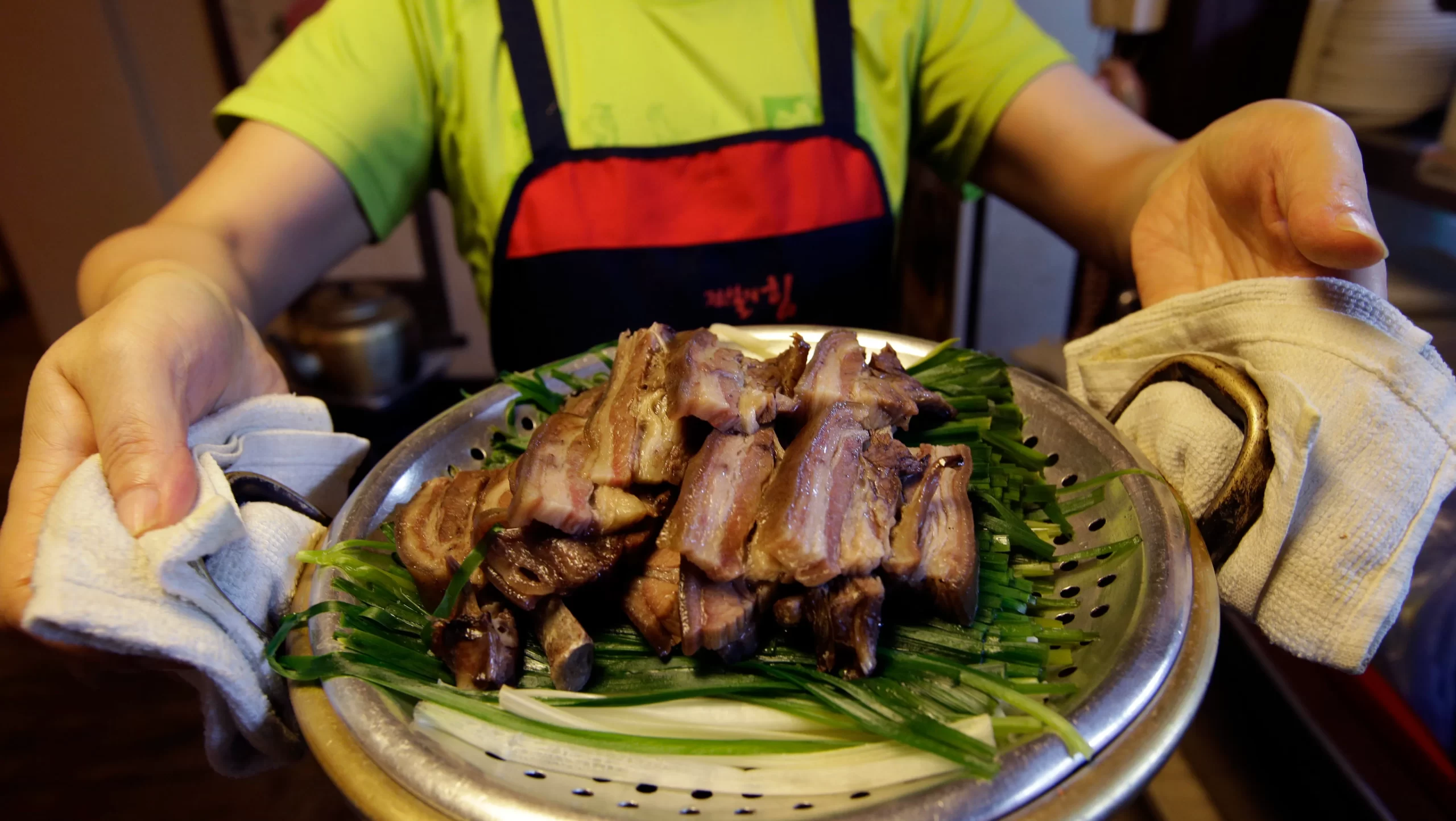
The unity among lawmakers reflects a significant societal shift in attitudes towards the consumption of dog meat.
Allowing for Adaptation
Recognizing the impact of the ban on various stakeholders, including dog farmers and restaurants, the legislation includes a three-year transition period.
This time frame provides businesses with the opportunity to repurpose or close their operations, offering a humane and pragmatic approach to the industry’s transformation.
President Yoon Suk-yeol’s Advocacy
The momentum behind the movement to ban dog meat has gained substantial support under the leadership of President Yoon Suk-yeol. An ardent animal lover, President Yoon, alongside his wife Kim Keon-hee, has been a vocal critic of the industry.
Legal Measures vs. Cultural Shift
While the new law does not criminalize the consumption of dog meat, the comprehensive measures effectively put an end to the practice. This distinction highlights the complex interplay between legal frameworks and cultural attitudes.
Leave a Reply