
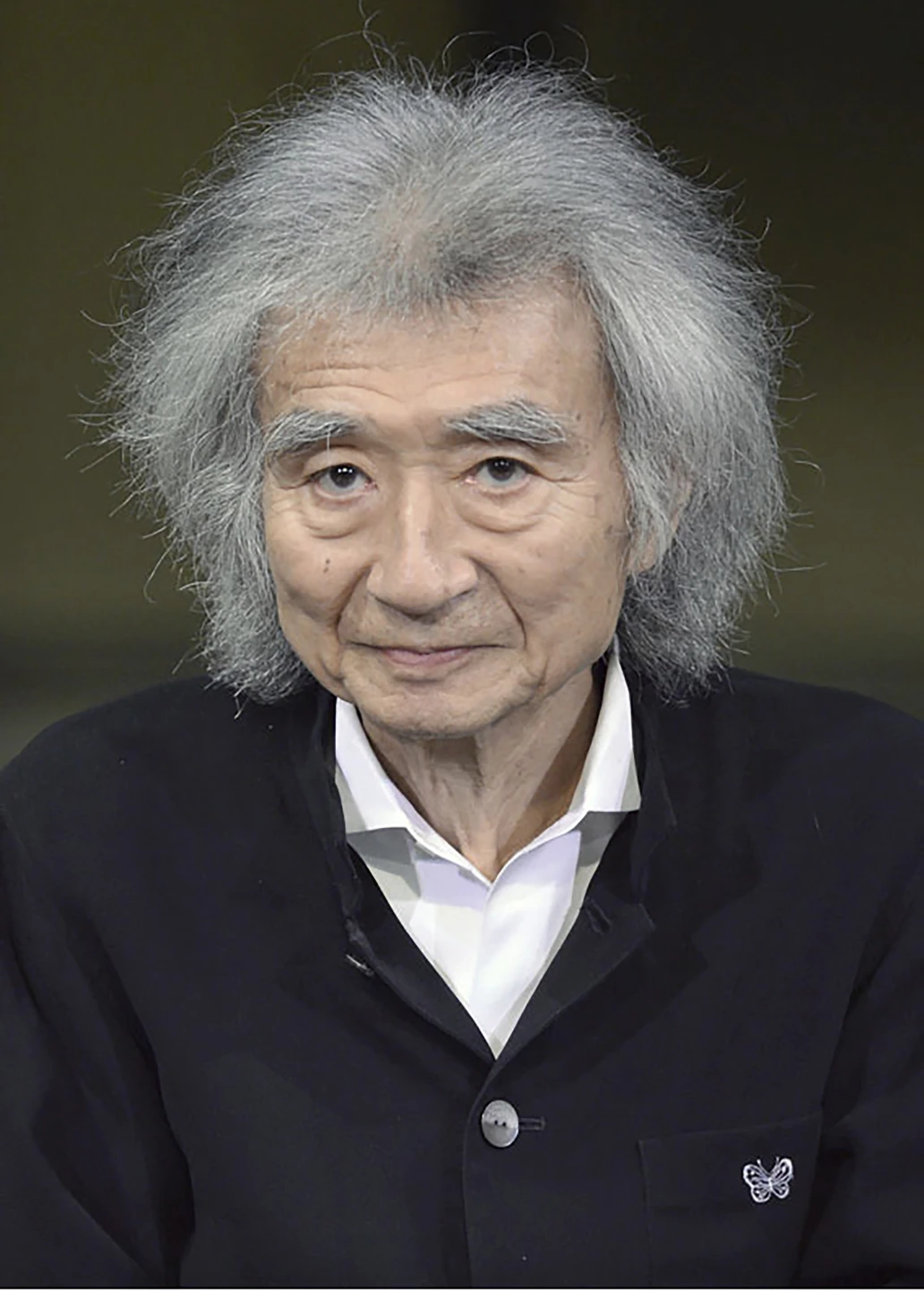
Seiji Ozawa, the celebrated Japanese conductor renowned for his groundbreaking contributions to modern composers, had a remarkable journey rooted in his deep musical heritage.
Advertisement
Born on September 1, 1935, in the Japanese-occupied city of Mukden, Ozawa’s early life was shaped by the influences of his parents, Kaisaku Ozawa and Sakura Ozawa.
As a child, Ozawa’s musical journey began under the guidance of his parents, who instilled in him a profound appreciation for the arts. However, tragedy struck when Ozawa broke two fingers in a rugby game, disrupting his piano studies.
It was during this challenging time that his teacher at the Toho Gakuen School of Music, Hideo Saito, introduced him to a performance of Beethoven’s Piano Concerto No. 5, a transformative moment that redirected Ozawa’s musical focus towards conducting.
Under the tutelage of Saito, Ozawa flourished, graduating from the Toho Gakuen School of Music in 1957. His passion for music propelled him to international acclaim, as he embarked on a storied career that saw him collaborate with prestigious orchestras such as the San Francisco Symphony, the Toronto Symphony Orchestra, and the Vienna State Opera.
Advertisement
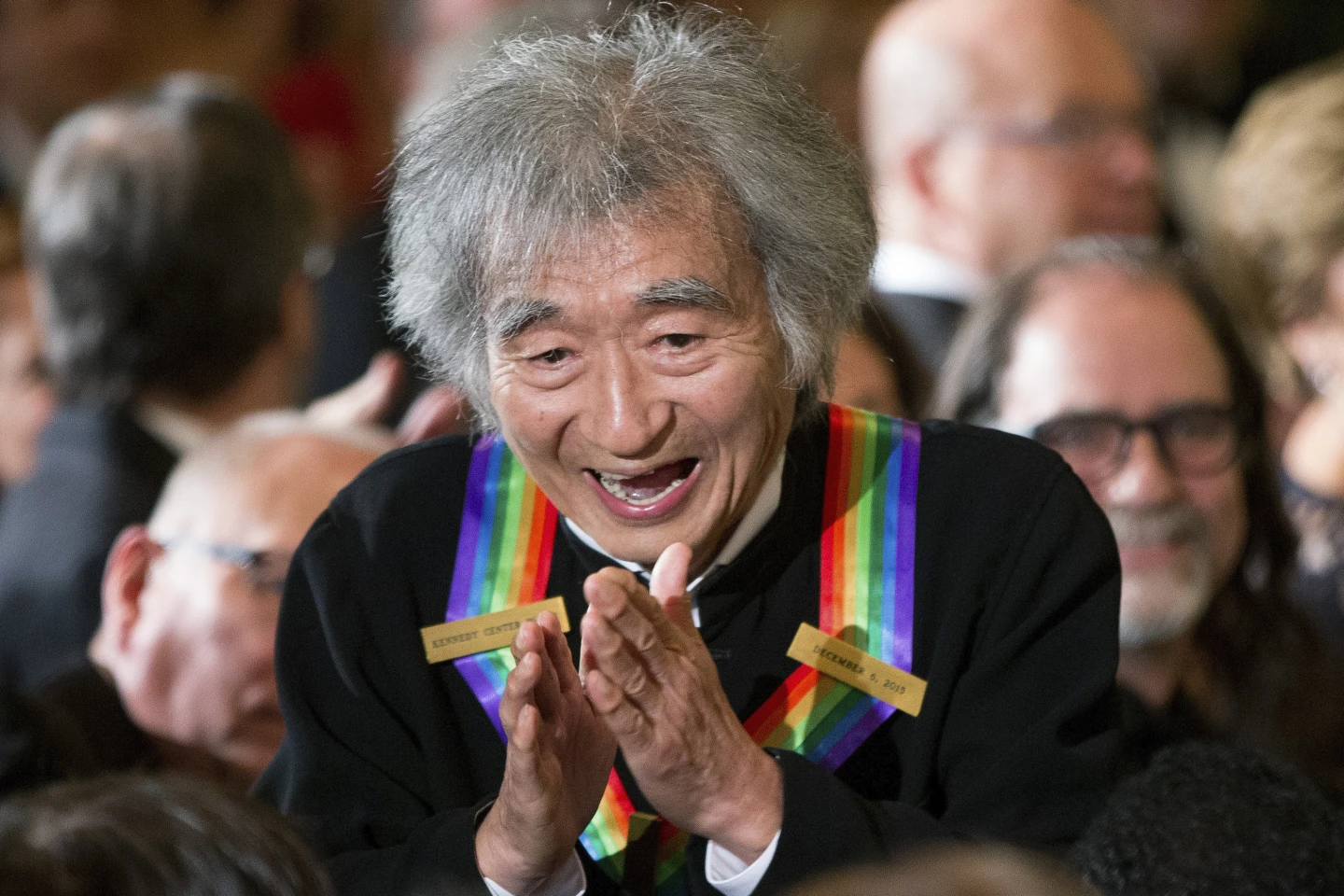
However, it was Ozawa’s tenure as the music director of the Boston Symphony Orchestra that truly solidified his legacy in the annals of classical music.
For 29 illustrious years, Ozawa led the orchestra with unparalleled skill and dedication, earning him numerous international awards and accolades.
Despite his towering achievements, Ozawa remained deeply rooted in his Japanese heritage, becoming the first Japanese conductor to helm the prestigious Vienna New Year’s Concert in 2002.
His tireless advocacy for modern composers and his unwavering commitment to musical excellence endeared him to audiences around the world.
Tragically, Seiji Ozawa’s extraordinary journey came to a close on February 6, 2024, when he passed away from heart failure at his home in Tokyo.
As the world mourns the loss of a musical titan, Ozawa’s indelible legacy as a conductor, mentor, and cultural ambassador continues to inspire generations of musicians and music lovers alike.
Leave a Reply