

Psoriasis is a chronic skin condition that affects millions of people worldwide. It causes scaly, itchy, and inflamed skin patches that can appear anywhere on the body.
Advertisement
Psoriasis starts when your immune system mistakenly attacks your healthy skin cells and speeds up their growth cycle. This leads to a buildup of excess skin cells on the surface of your skin, forming the characteristic plaques of psoriasis.
Psoriasis treatment
Topical Treatments: Applied directly to the skin, these include corticosteroids, vitamin D analogs, coal tar preparations, and more.
Phototherapy (Light Therapy): Controlled exposure to UVB light can be beneficial in managing psoriasis symptoms.
Systemic Medications: For more severe cases, oral or injectable medications, including biologics, may be prescribed to modulate the immune system.
Lifestyle Changes: Stress management, a healthy diet, and avoiding triggers can contribute to overall management.
Topical Steroids and Emollients: Moisturizers can help alleviate dryness, and steroids reduce inflammation.
Psoriasis pictures

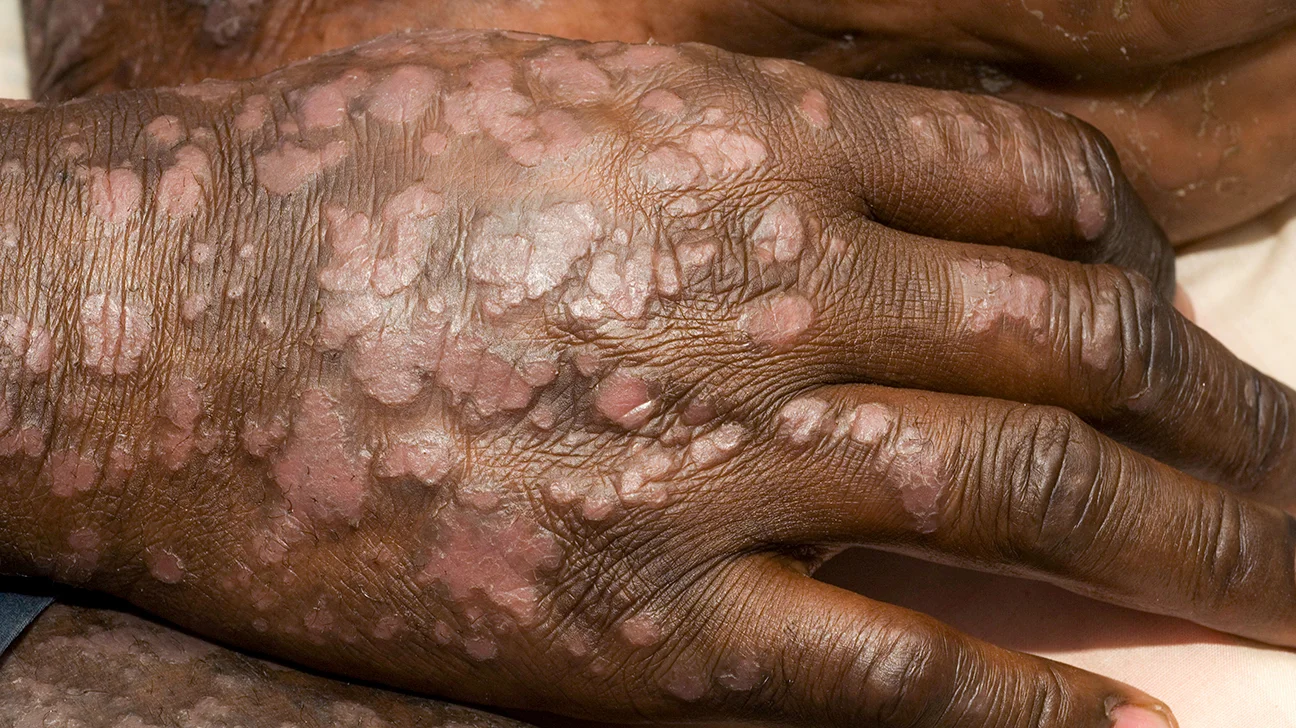
Psoriasis causes
The exact cause of psoriasis is not fully understood, but it involves a combination of genetic, immune system, and environmental factors. Specific triggers can include stress, infections, certain medications, and injuries to the skin.
Advertisement
Psoriasis contagious
Psoriasis is not contagious. It does not spread from person to person through contact.
Psoriasis types

Plaque psoriasis: This type causes dry, itchy, raised skin patches (plaques) covered with scales. They usually appear on the elbows, knees, lower back, and scalp. The patches vary in color, depending on skin color. This type affects about 80% of people with psoriasis.
Guttate psoriasis: This type mainly affects young adults and children. It is often triggered by a bacterial infection such as strep throat. It causes small, drop-shaped, scaling spots on the trunk, arms, or legs. This type affects about 8% of people with psoriasis.
Inverse psoriasis: This type affects the skin folds of the groin, buttocks, and breasts. It causes smooth patches of inflamed skin that worsen with friction and sweating. Fungal infections may trigger this type of psoriasis.
Nail psoriasis: This type affects the fingernails and toenails, causing pitting, abnormal nail growth, and discoloration. The nails may loosen and separate from the nail bed or crumble severely.
Pustular psoriasis: This type is rare and causes clearly defined pus-filled blisters. It can occur in widespread patches or on small areas of the palms or soles.
Other types of psoriasis include erythrodermic psoriasis, which causes widespread redness and shedding of the skin; and psoriatic arthritis, which causes joint pain and swelling along with skin symptoms. Depending on the type and severity of the condition, psoriasis can be treated with topical creams, light therapy, oral medications, or injections.
Leave a Reply