
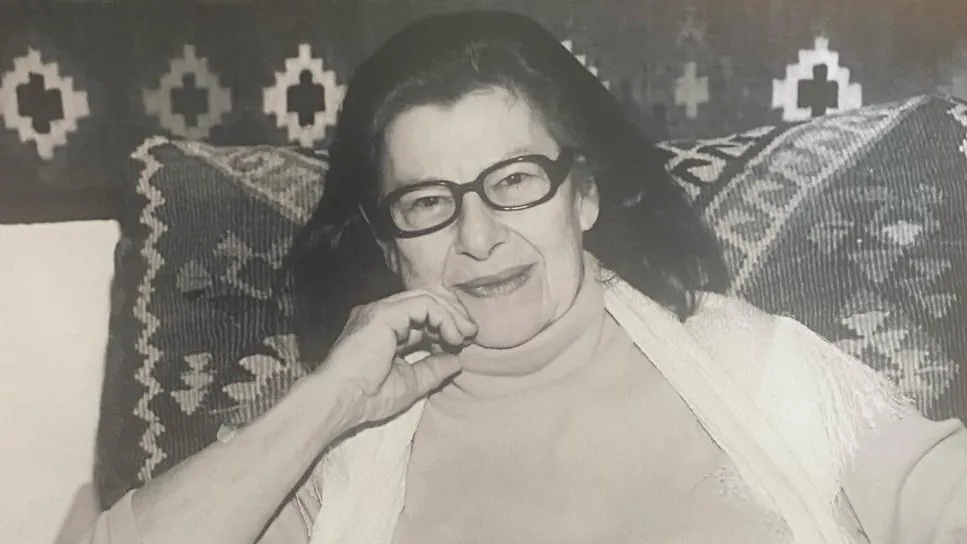
Norma Barzman, a screenwriter whose career flourished during Hollywood’s Golden Age but faced the challenges of blacklisting during the McCarthy era, passed away on Sunday in Beverly Hills at the age of 103, as confirmed by her son Paolo.
Advertisement
During the McCarthy era, Norma and her husband, fellow screenwriter Ben Barzman, joined the exodus of Hollywood progressives moving to Europe. They resided in London, Paris, and Mougins, France, from 1949 to 1976, navigating the challenging political climate of the time. Ben Barzman passed away in 1989.
Advertisement
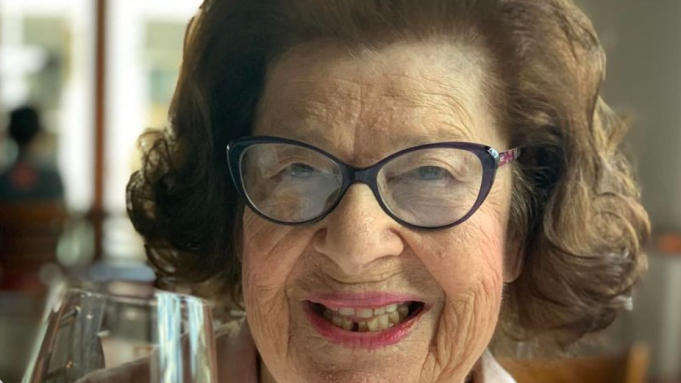
An advocate for the restoration of credits for blacklisted writers, Barzman played a crucial role in reclaiming her writing credit for the 1953 film “Luxury Girls,” originally released under the pseudonym Ennio Flaiano. She also contributed to rectifying the credits of other blacklisted writers who had their work released under “front” names.
Among Barzman’s notable works is the story “What Nancy Wanted,” later adapted into the script for the 1946 psychological thriller “The Locket,” where she received a co-writing credit. The film, featuring Laraine Day, explores the complexities of a woman’s past through the use of flashbacks.
Barzman’s writing repertoire includes the script for the 1946 Warner Bros. romantic comedy “Never Say Goodbye,” starring Errol Flynn and Eleanor Parker as a divorced couple. Additionally, she penned the 1953 French-Italian comedy film “Finishing School” and later created the Italian television series “Il triangolo rosso,” running from 1967 to 1969. Barzman even made on-screen appearances as an actress in “Theatre 70” (1970) and “Pajama Party” (2000).
Born on September 15, 1920, in New York City, Barzman briefly married mathematician Claude Shannon before relocating to Los Angeles. She attended classes at The School for Writers, which had leftist members.
Norma Barzman is survived by her seven children, including Paolo Barzman, who has established himself as a film and television director-writer. Her legacy extends beyond her creative contributions, reflecting a resilience that transcended the challenges of Hollywood’s tumultuous past.
Leave a Reply