
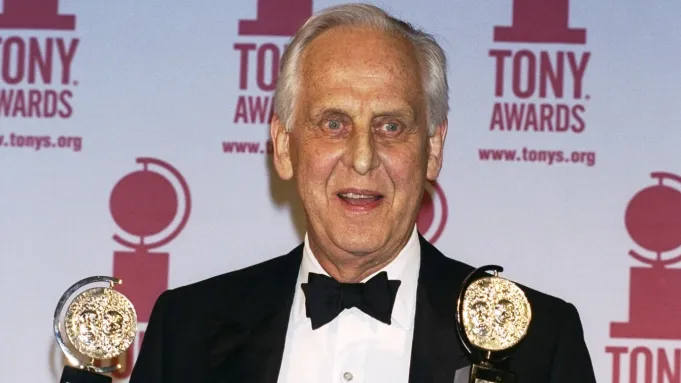
The late Michael Blakemore, who passed away at the age of 95, left an indelible mark on the world of theatre. In the year 2000, he earned the prestigious title of a double Tony award-winner for his exceptional productions of “Kiss Me Kate” and Michael Frayn’s “Copenhagen.” His wry acknowledgment, “All I can say is, thank you America. And, when I say America, of course, I mean New York. And when I say New York, I mean Broadway,” showcased his understanding of the industry’s parochial glamour.
Advertisement
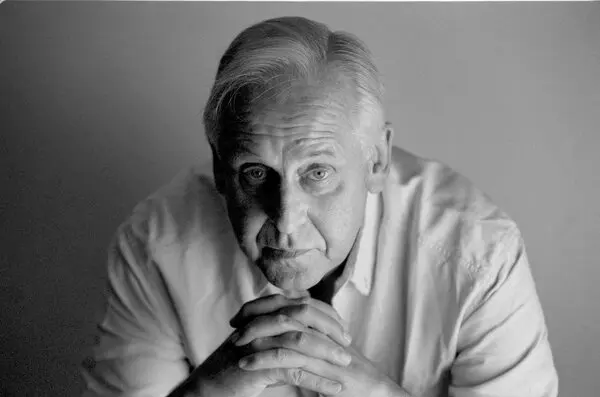
Blakemore’s genius extended beyond the spotlight; he was a director whose mastery of craft and profound intelligence set him apart in the world of showbiz. Never one to be lost in the glitz, he navigated the complexities of theatre with a clear vision, respecting the essence of the art form. His ability to find the perfect actors, design, and tempo for plays, musicals, and farces marked him as a true maestro.
Advertisement
Closely associated with the early works of Peter Nichols and the later creations of Frayn, Blakemore played a pivotal role during Laurence Olivier’s tenure as the inaugural artistic director of the National Theatre. His influence spanned five crucial years (1971-76), overlapping with the arrival of Peter Hall, with whom he shared a complex relationship. This fascinating period was brilliantly dissected in his third major book, “Stage Blood” (2013).
In this literary work, Blakemore delved into the intricacies of his collaboration with Olivier, particularly during the revival of Eugene O’Neill’s “Long Day’s Journey Into Night” in 1971. The narrative unfolds over a gripping 30-page log, revealing the challenges of coaxing one of Olivier’s greatest performances amid administrative setbacks, illnesses, and treachery within the organization. Despite the turmoil, Blakemore found support in figures like Kenneth Tynan, Olivier’s literary manager, and appreciated the talents of even the most “difficult” colleagues, such as the director John Dexter.
A civilised and cultured man, Blakemore’s impeccable taste resonated through his body of work. His legacy remains an enduring testament to the brilliance of a director who seamlessly blended intelligence, artistry, and a profound understanding of the theatrical landscape. As the curtain falls on Michael Blakemore’s remarkable life, his contributions will continue to echo in the hearts of theatre enthusiasts and aspiring artists alike.
Leave a Reply