
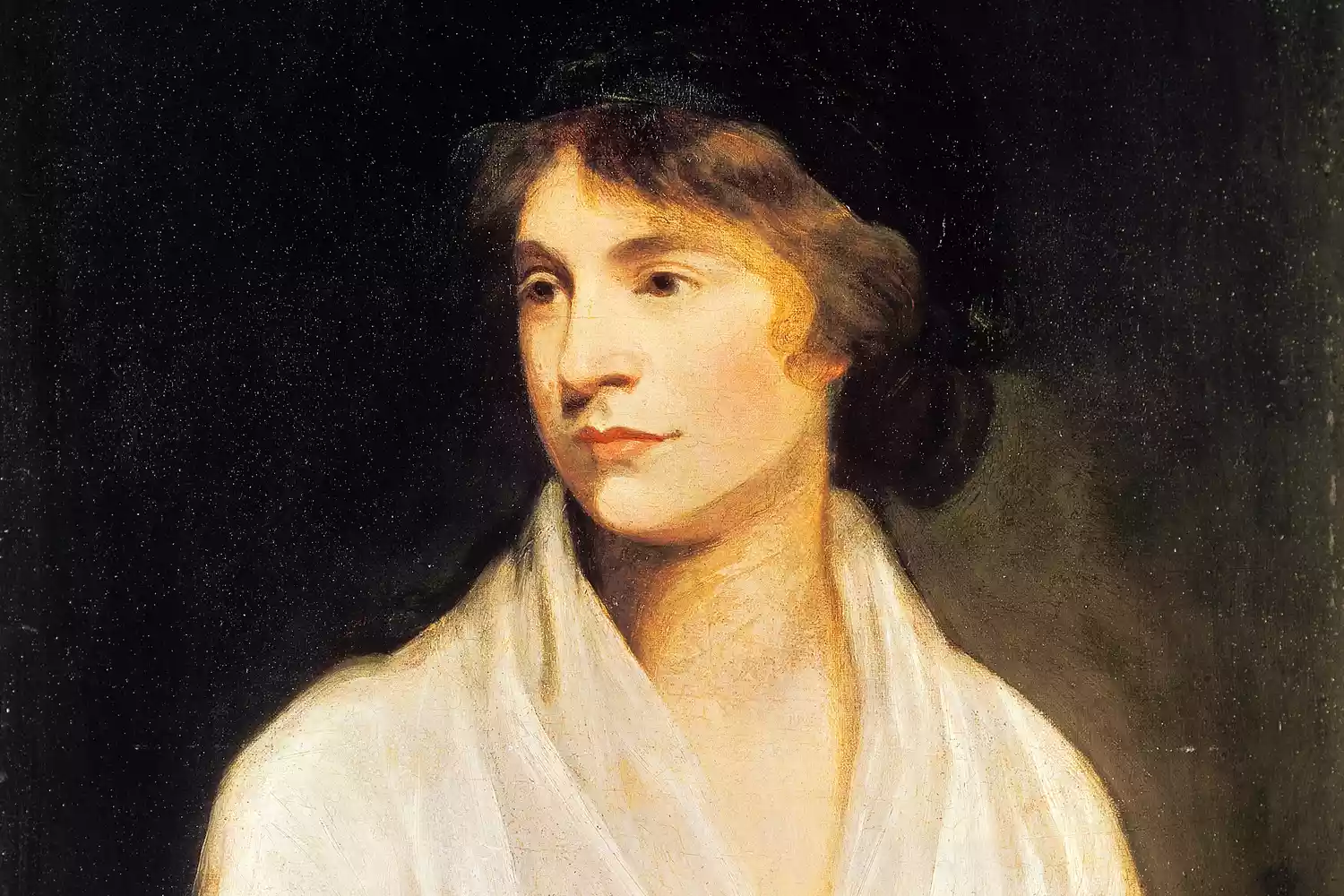
Mary Wollstonecraft, a pioneer in advocating for women’s rights, met an untimely end that left a void in the world of philosophy and feminism. Born on April 27, 1759, in Spitalfields, London, Mary Wollstonecraft’s intellectual contributions were cut short when she died on September 10, 1797, at the age of 38.
Advertisement
The cause of Mary Wollstonecraft’s death was attributed to puerperal fever, a bacterial infection that occurs after childbirth. In an era when medical practices were far from advanced, complications arising from childbirth, including infections, were perilous and often fatal.
Advertisement

Image Source: Thought Co
Mary Wollstonecraft’s death occurred just ten days after giving birth to her second daughter, Mary, who would later become the renowned author Mary Shelley, best known for her masterpiece, “Frankenstein.”
Despite the tragic circumstances surrounding her demise, Mary Wollstonecraft’s ideas continued to resonate and shape the discourse on women’s rights for centuries to come. Her legacy endures not only through her written works but also through the indelible mark she left on the struggle for gender equality.
Leave a Reply