

The bubonic plague is an infection of the lymphatic system, usually resulting from the bite of an infected flea, Xenopsylla cheopis (the Oriental rat flea). Several flea species carried the bubonic plague, such as Pulex irritans (the human flea), Xenopsylla cheopis, and Ceratophyllus fasciatus.
Advertisement
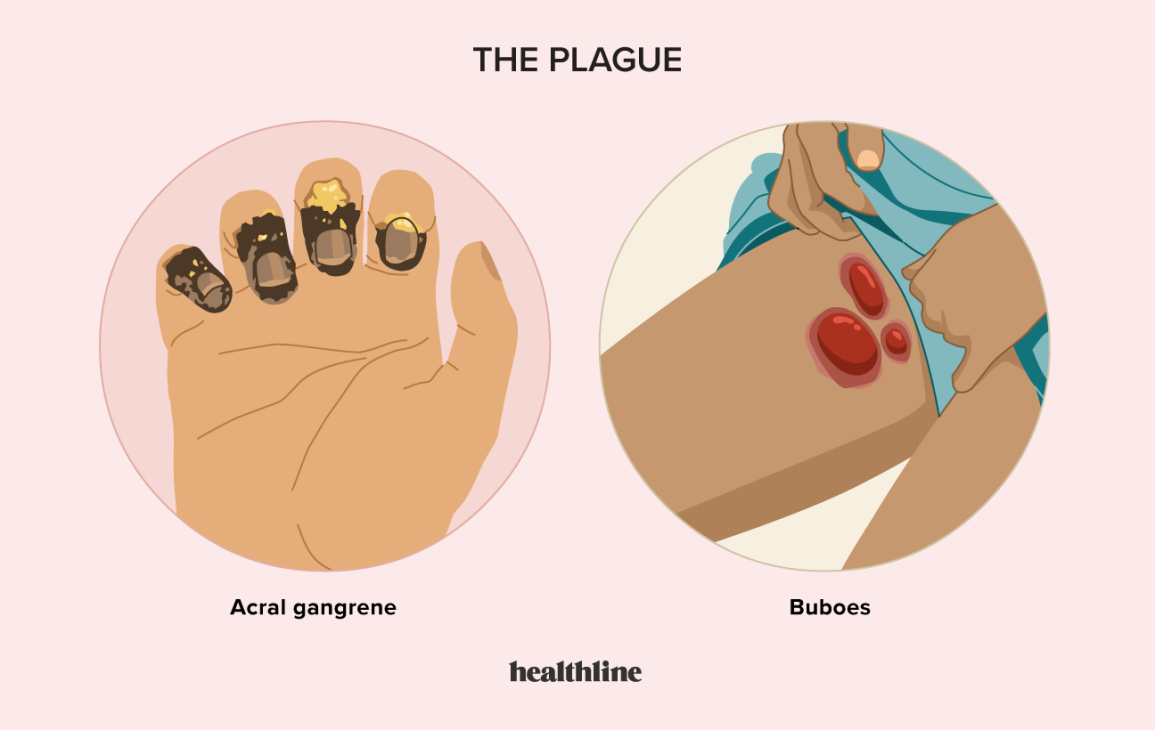
Is the bubonic plague still around?
Bubonic plague still occurs throughout the world and in the U.S., with cases in Africa, Asia, South America, and the western areas of North America. About seven cases of plague happen in the U.S. every year on average.
Advertisement
When did the bubonic plague start?
The Black Death was a bubonic plague pandemic occurring in Europe from 1346 to 1353. One of the most fatal pandemics in human history, as many as 50 million people perished, perhaps 50% of Europe’s 14th-century population. Bubonic plague is caused by the bacterium Yersinia pestis and spread by fleas.
The plague arrived in Europe in October 1347, when 12 ships from the Black Sea docked at the Sicilian port of Messina.
Leave a Reply