
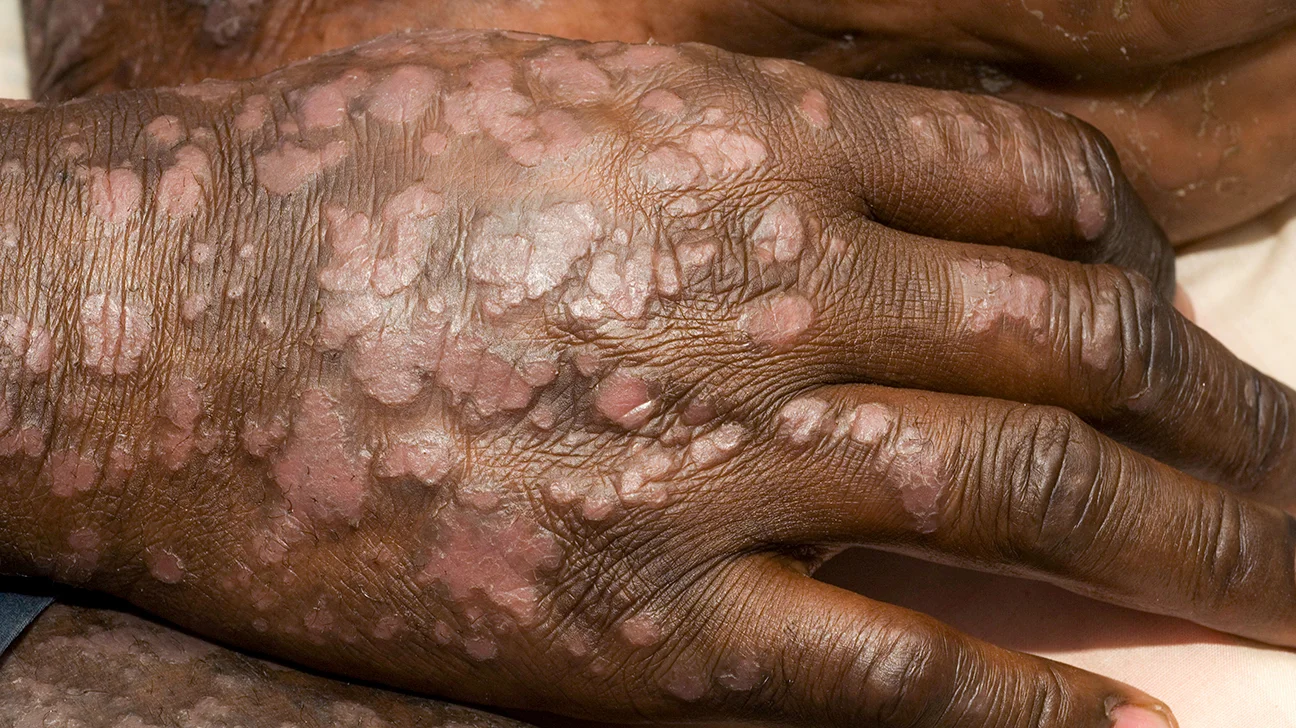
Yes, psoriasis can often be accompanied by itching. Itching, or pruritus, is a common symptom of psoriasis, and it can be one of the most bothersome aspects of the condition.
Advertisement
The severity of itching can vary among individuals and may be influenced by the type and location of psoriasis lesions. To help alleviate itching associated with psoriasis, consider the following strategies:

Topical Treatments: Apply prescribed or over-the-counter topical treatments directly to the affected skin. These may include corticosteroids, vitamin D analogs, or other medicated creams or ointments to help reduce inflammation and itching.
Moisturize Regularly: Keep the skin well-hydrated by using moisturizers. Dry skin can exacerbate itching, so using emollients or moisturizers can help soothe the skin and reduce itchiness.
Advertisement
Cool Baths: Taking cool baths with mild, fragrance-free bath products may provide relief. Avoid hot water, as it can contribute to dryness and potentially worsen itching.
Avoid Irritants: Use mild, fragrance-free soaps and avoid harsh chemicals or irritants that can aggravate the skin. Pat your skin dry after bathing instead of rubbing.
Anti-Itch Medications: Over-the-counter anti-itch creams or ointments containing ingredients like hydrocortisone may provide temporary relief. However, consult with your healthcare provider before using any new medications.
Prescribed Medications: If the itching is severe, your healthcare provider may prescribe medications, such as oral antihistamines or systemic medications, to help manage symptoms.
Cold Compresses: Applying cold compresses to the affected areas can provide temporary relief from itching.
Avoid Scratching: Although it may be challenging, try to resist the urge to scratch, as scratching can worsen the condition and potentially lead to skin infections.
Leave a Reply