

If you have red, itchy patches on your skin, you may wonder if you have psoriasis or a fungal infection. These two conditions can look similar, but they have different causes and treatments.
Advertisement
Psoriasis is a chronic autoimmune disease that affects the skin. It causes the skin cells to grow faster than normal, resulting in raised, scaly plaques that can flake, itch, burn, or sting. Psoriasis is not contagious and cannot be spread by contact. Psoriasis can affect any part of the body, but it is most common on the scalp, elbows, knees, and lower back.
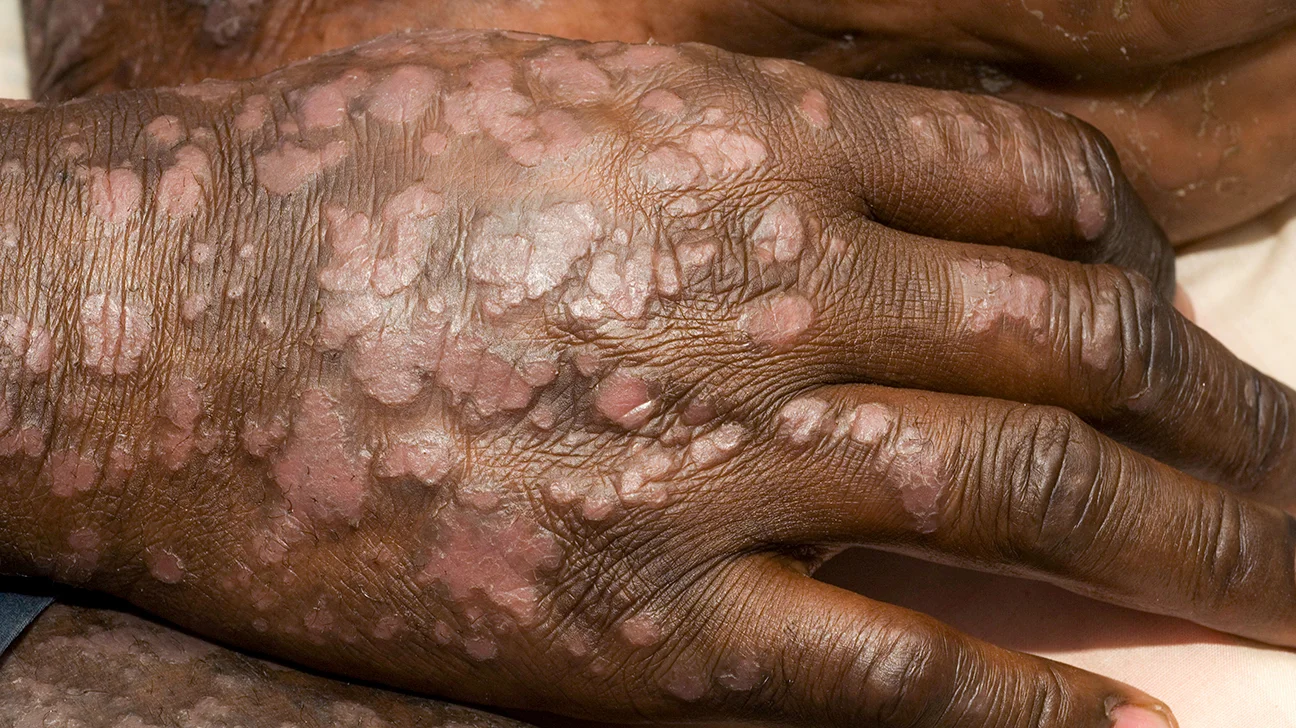
Fungal infections are caused by fungi, such as yeast or mold, that grow on the skin or nails. Fungal infections can be contagious and can be spread by contact with infected people, animals, objects, or surfaces. Fungal infections can affect different areas of the body, such as the feet (athlete’s foot), the groin (jock itch), or the scalp (ringworm).
Advertisement
One way to tell the difference between psoriasis and fungal infections is to look at the shape and color of the patches. Psoriasis patches tend to be pink or red with silvery-white scales on top. They may have irregular edges and vary in size. Fungal infection patches tend to be round or ring-shaped with clear skin in the center. They may have raised borders and a scaly surface.
Another way to tell the difference between psoriasis and fungal infections is to see how they respond to treatment. Psoriasis is a chronic condition that requires long-term medical care. There is no cure for psoriasis, but treatments can help manage the symptoms and clear the skin. Treatments for psoriasis include topical creams, oral medications, light therapy, and biologics.
Fungal infections are usually treatable with antifungal medications that kill the fungi or stop their growth. These medications can be applied to the skin or taken by mouth, depending on the type and severity of the infection. Fungal infections usually clear up within a few weeks with proper treatment.
Leave a Reply