
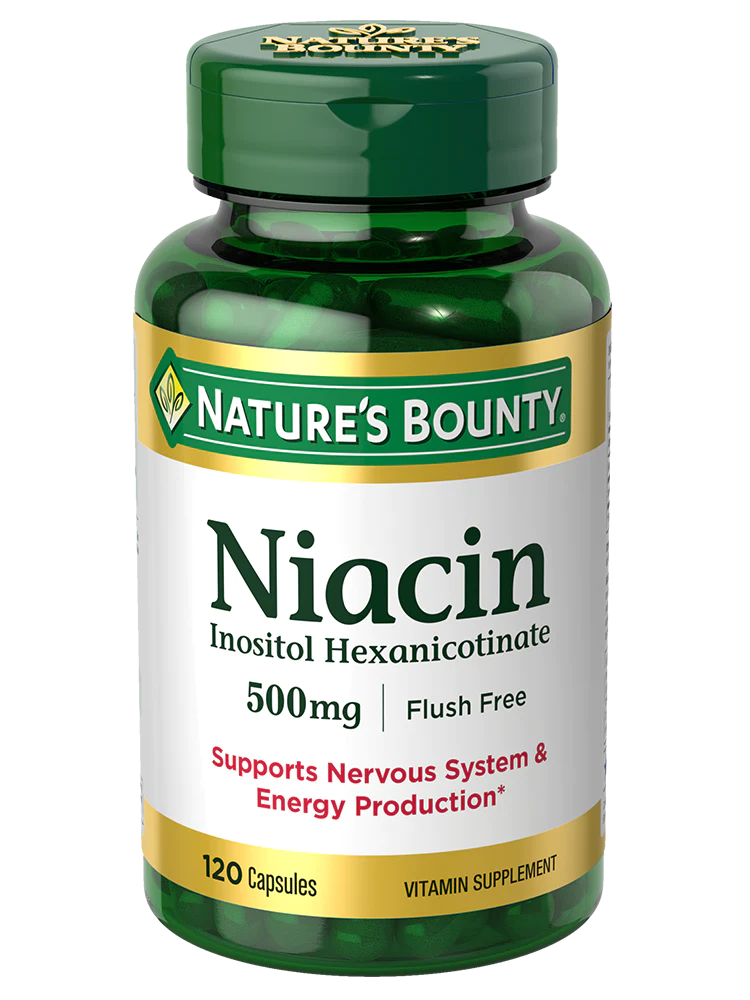
Niacin, also known as vitamin B3, is an essential nutrient that plays a crucial role in our body’s metabolic processes. It’s involved in over 400 biochemical reactions, primarily related to energy production from the food we eat. But is niacin good or bad for your heart?
Advertisement
Niacin has been used as a treatment for preventing cardiovascular disease due to its ability to lower low-density lipoprotein (LDL or “bad”) cholesterol and triglycerides, and raise high-density lipoprotein (HDL, or “good”) cholesterol. However, research suggests that niacin therapy isn’t linked to lower rates of death, heart attack, or stroke.

Some research even shows that taking niacin doesn’t reduce the risk of cardiovascular disease events, or offers no extra benefit when used alongside statins. One study even found that use of niacin may slightly increase the risk of dying early. Interestingly, recent research reveals that too much niacin may harm your heart.
Advertisement
Found in many foods that millions of people eat, excessive amounts of niacin can trigger inflammation and damage blood vessels. A substance, dubbed 4PY, which is only made when there is too much niacin in the body, was found in some blood samples. There was a correlation between high 4PY levels and the future risk of heart attack, stroke, and death. This suggests that excess niacin in the diet may have a downside — increasing the risk of cardiovascular disease.
In conclusion, while niacin is good for the heart in many ways, it’s not a magic bullet for heart health. Too much niacin can potentially lead to an increased risk of developing cardiovascular disease. As always, it’s important to maintain a balanced diet and a healthy lifestyle for overall heart health.
If you’re considering taking niacin supplements or increasing your niacin intake, it’s always a good idea to consult with a healthcare professional first. It’s a reminder that even with vitamins and nutrients, balance is key. Too little can lead to deficiencies and health problems, but too much can also have harmful effects. It’s all about finding the right balance for optimal health.
Leave a Reply