

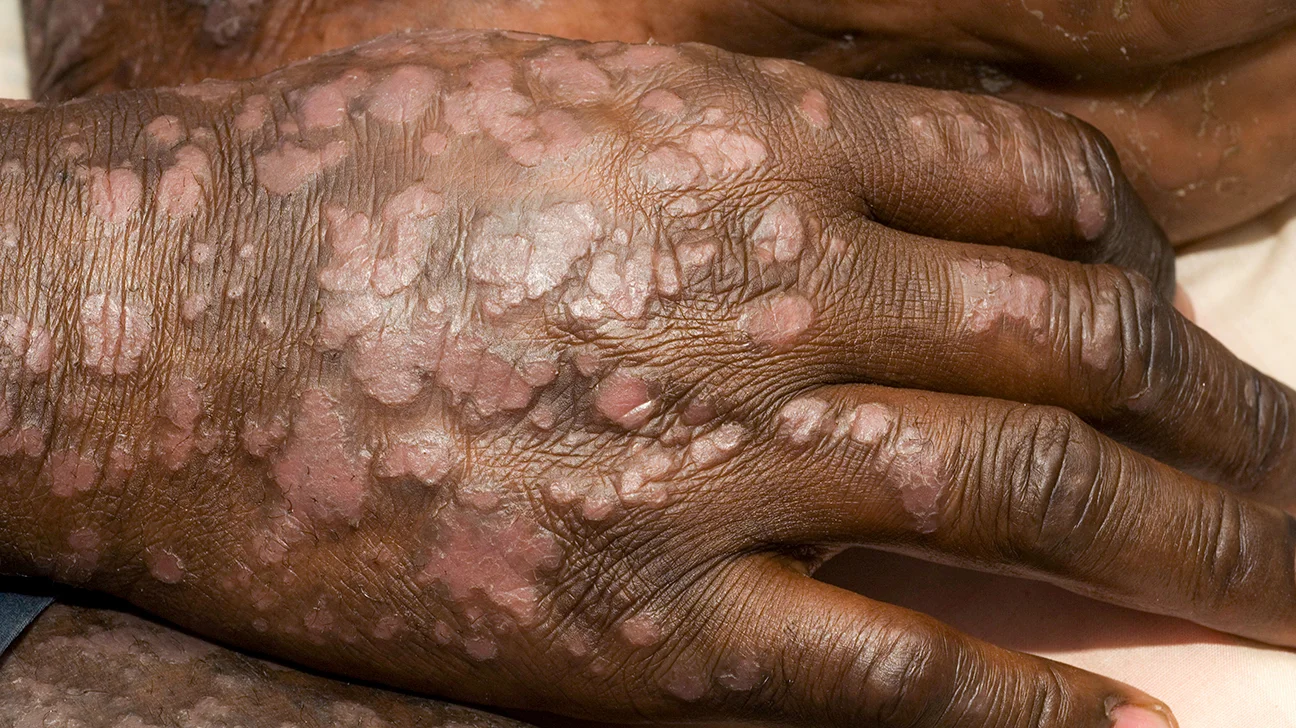
If you have psoriasis, you may wonder how bathing affects your skin. Psoriasis is a chronic condition that causes patches of thick, scaly skin that may be itchy, painful, or inflamed.
Advertisement
According to dermatologists, bathing can help or worsen your psoriasis symptoms depending on how you do it. Here are some tips to make your baths and showers more beneficial for your skin.
Advertisement
- Use warm water, not hot water. Hot water can dry out your skin and trigger a flare-up of psoriasis. Warm water can help loosen the scales and soothe the inflammation. The ideal water temperature is around 37°C (98.6°F), which is close to your body temperature.
- Limit your bathing time to 15 minutes or less. Spending too long in the water can also dry out your skin and strip away its natural oils. Try to keep your baths and showers short and sweet.
- Add some soothing ingredients to your bath water. You can enhance the effects of bathing by adding some natural or medicated products to your bath water. Some examples are sea salt, oatmeal, bath oil, or a bath gel containing coal tar. These can help moisturize, soften, and heal your skin.
- Avoid harsh soaps and shampoos. Some products that contain alcohol, sulfates, or fragrances can irritate your skin and worsen your psoriasis. Look for products that are mild, gentle, and fragrance-free. You can also ask your dermatologist for recommendations.
- Pat your skin dry with a soft towel. After bathing or showering, gently blot your skin with a towel instead of rubbing it. Rubbing can cause friction and damage your skin. Leave some moisture on your skin to prevent it from drying out.
- Apply a moisturizer right away. Within a few minutes of bathing or showering, apply a generous amount of moisturizer to your skin. This will help lock in the moisture and prevent dryness and flaking. Choose a moisturizer that is thick and oily, such as petroleum jelly, shea butter, or ceramide cream.
- Protect your skin from the sun. Sunlight can sometimes improve psoriasis symptoms by reducing inflammation and scaling. However, too much sun exposure can also cause sunburns, which can trigger a flare-up of psoriasis. If you go outside after bathing or showering, apply a sunscreen with SPF 30 or higher to protect your skin from sun damage.
- Follow your treatment plan. Bathing alone is not enough to treat psoriasis. You should also follow the treatment plan prescribed by your dermatologist, which may include topical medications, oral medications, or light therapy. These treatments can help reduce the symptoms and prevent complications of psoriasis.
Leave a Reply