

Unveiling Buprenorphine’s Dual Role: Opioid Treatment and Anti-Inflammatory Action
Buprenorphine, a medication renowned under the brand name Subutex, has long been recognized for its efficacy in treating opioid use disorder, acute pain, and chronic pain. However, beyond its opioid properties, a lesser-known yet impactful aspect of buprenorphine is its anti-inflammatory action. In this article, we delve into the intriguing dual role of buprenorphine, shedding light on its capacity to reduce inflammation.
Advertisement
Understanding Buprenorphine’s Varied Administration:
Before exploring its anti-inflammatory properties, it’s crucial to acknowledge the versatile methods through which buprenorphine can be administered. Whether taken under the tongue, in the cheek, injected, delivered as a skin patch, or implanted, buprenorphine’s flexibility allows for tailored treatment plans to meet the diverse needs of patients.
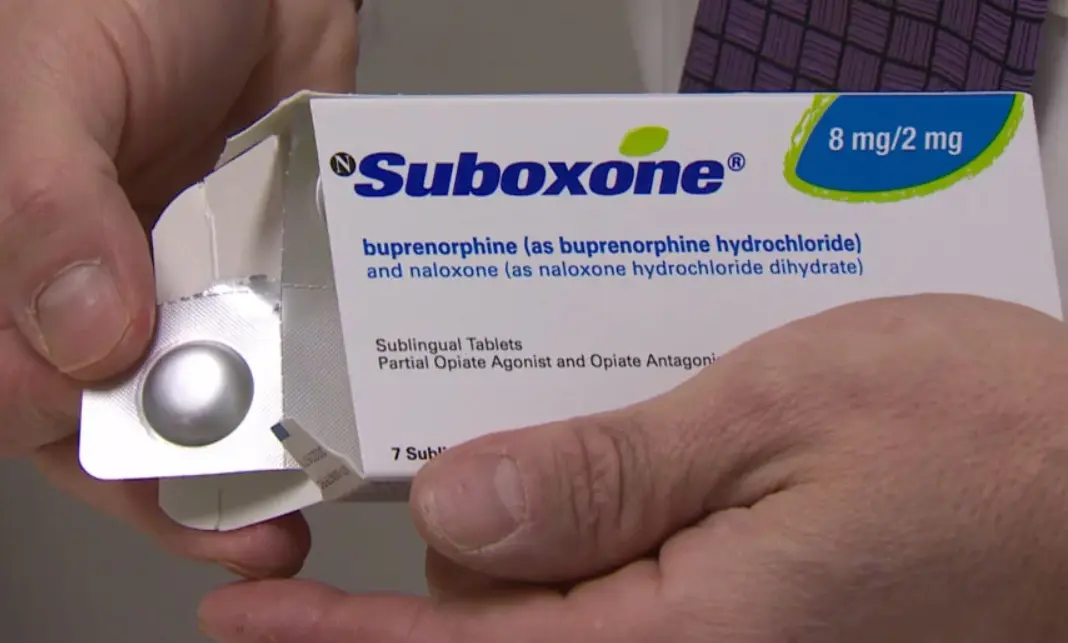
Buprenorphine’s Anti-Inflammatory Mechanism:
Buprenorphine’s anti-inflammatory effects are attributed to its interaction with specific receptors in the body, known as mu-opioid receptors. These receptors play a pivotal role in modulating the body’s response to pain and inflammation. When buprenorphine binds to these receptors, it exerts a dampening effect on the inflammatory signals emanating from damaged tissues.
Advertisement
Key Mechanisms:
- Mu-Opioid Receptor Binding:
- Buprenorphine selectively binds to mu-opioid receptors, initiating a cascade of events that influence the body’s perception of pain and response to inflammation.
- Modulation of Inflammatory Signals:
- By binding to these receptors, buprenorphine effectively modulates the transmission of signals related to pain and inflammation. This modulation results in a reduction of the inflammatory response, providing relief to individuals grappling with pain and inflammatory conditions.
Clinical Implications:
The anti-inflammatory properties of buprenorphine have significant clinical implications. Beyond its primary role in managing opioid use disorder and alleviating pain, buprenorphine’s ability to reduce inflammation broadens its utility in treating conditions where inflammation is a contributing factor.
Conditions that may benefit from buprenorphine’s anti-inflammatory action include chronic pain syndromes, certain neuropathies, and inflammatory pain disorders. By addressing both the opioid and inflammatory components, buprenorphine emerges as a multifaceted therapeutic option.
Buprenorphine’s dual role as an opioid treatment and an anti-inflammatory agent adds a layer of complexity to its pharmacological profile. The drug’s unique ability to modulate mu-opioid receptors provides relief not only from pain but also from the inflammatory processes associated with various conditions.
As research continues to uncover the intricacies of buprenorphine’s mechanisms, the medical community gains a deeper understanding of its potential applications. The evolving landscape of pain management and opioid use disorder treatment underscores the importance of considering buprenorphine not only as an analgesic but also as a valuable anti-inflammatory agent, expanding its reach in the realm of comprehensive patient care.
Leave a Reply