
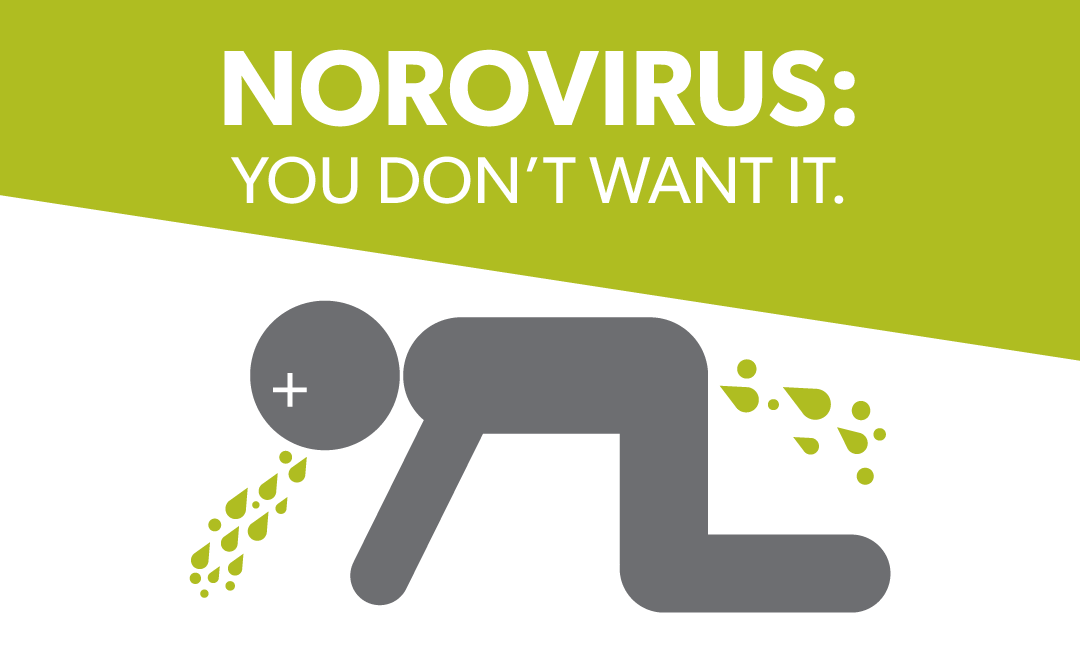
Norovirus and food poisoning are both common causes of gastroenteritis, an inflammation of the stomach and intestines that results in symptoms such as nausea, vomiting, abdominal pain, and diarrhea. While these symptoms are similar, there are key differences between norovirus and food poisoning that can help distinguish between the two.
Advertisement
Norovirus is a highly contagious virus that can be spread from person to person, through contaminated food or water, or by touching contaminated surfaces. Symptoms of norovirus infection typically appear 12 to 48 hours after exposure to the virus and can last for one to three days. In addition to the gastrointestinal symptoms, norovirus can also cause flu-like symptoms such as a low-grade fever, muscle aches, and chills.
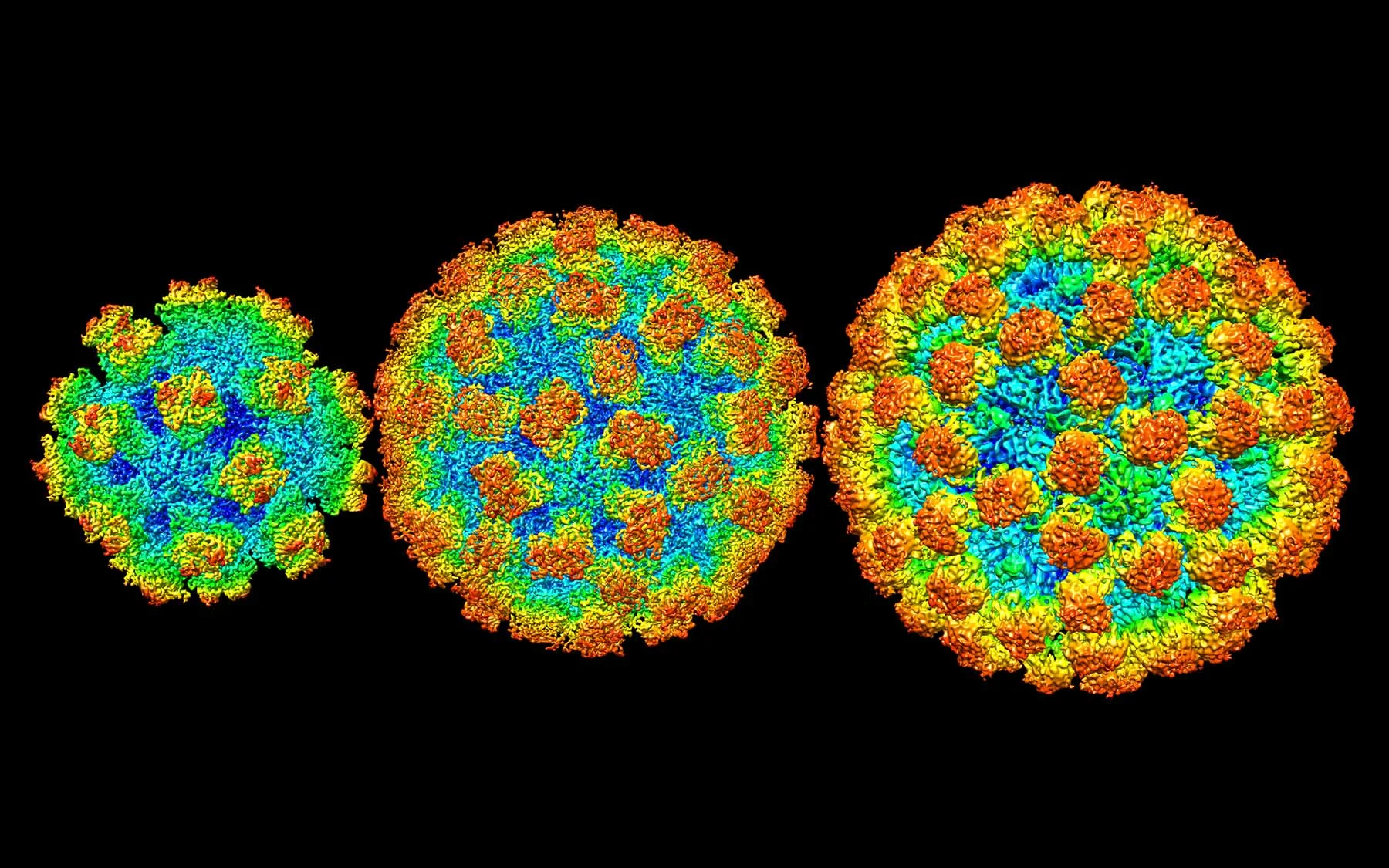
Food poisoning, on the other hand, is caused by consuming food or drink that is contaminated with harmful bacteria, viruses, parasites, or toxins. The onset of food poisoning symptoms can vary widely, from a few hours to several days after consuming the contaminated food, depending on the specific pathogen involved. The symptoms of food poisoning typically resolve within a day or two, but in some cases, they can last longer.
Advertisement
One of the key differences between norovirus and food poisoning is the timing of the onset of symptoms. With food poisoning, symptoms often begin within a few hours of eating the contaminated food. This makes it easier to identify the source of the infection, as it is often related to a specific meal or food item. With norovirus, however, symptoms do not appear until 12 to 48 hours after exposure to the virus, making it more difficult to identify the source of the infection.
Another difference is the way the two illnesses are spread. Norovirus is highly contagious and can easily spread from person to person, whereas food poisoning is usually not contagious and is caused by consuming contaminated food or drink.
In terms of treatment, both norovirus and food poisoning require supportive care to manage symptoms and prevent dehydration. This includes drinking plenty of fluids, resting, and eating light, bland foods as tolerated. In severe cases, hospitalization may be required for treatment with intravenous fluids.
In conclusion, while norovirus and food poisoning can cause similar symptoms, they are different illnesses with different causes, modes of transmission, and onset of symptoms. Understanding these differences can help in identifying the likely cause of illness and guiding appropriate treatment.
Leave a Reply