

Psoriasis is a chronic skin condition that causes red, scaly patches on the skin. It can be itchy, and painful, and sometimes lead to infections or other complications.
Advertisement
There is no cure for psoriasis, but there are many ways to manage it and reduce its impact on your quality of life. Here are some tips on how to care for psoriasis:
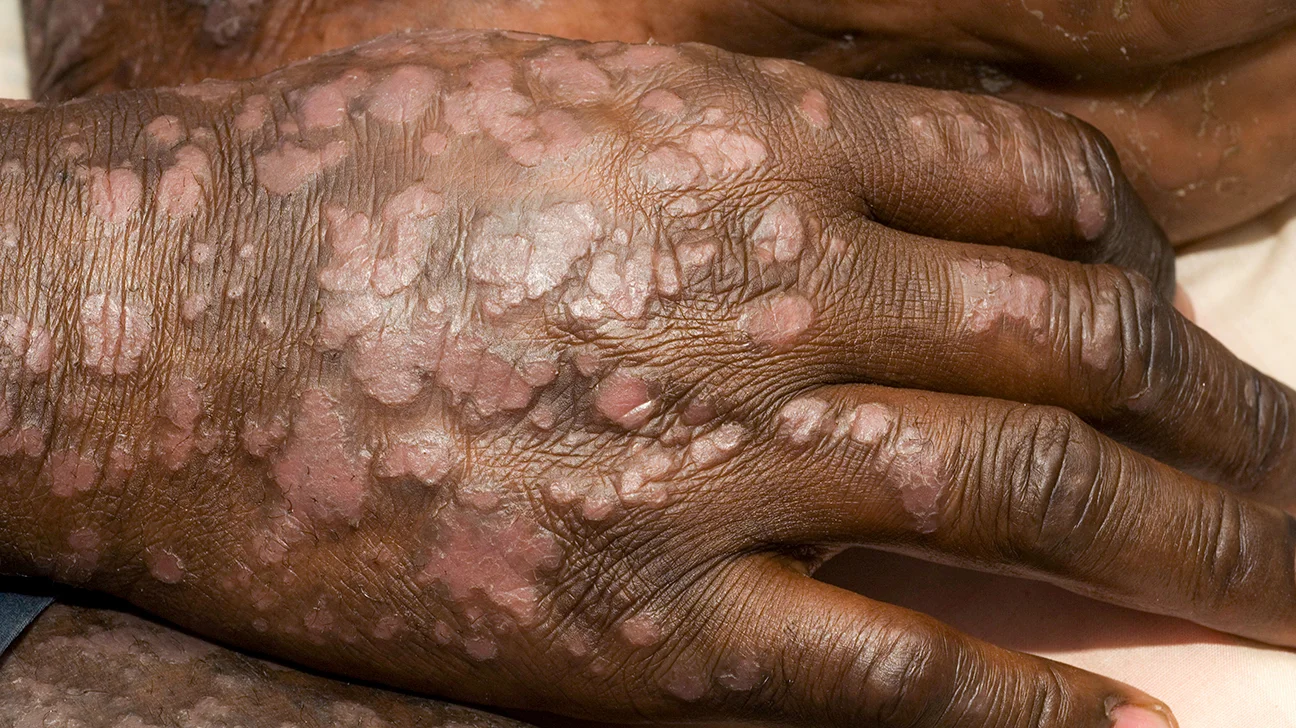
Moisturize your skin regularly: Dry skin can trigger psoriasis flare-ups and make them worse. Use a fragrance-free moisturizer that suits your skin type and apply it after bathing or showering, when your skin is still damp. You can also use a humidifier in your home to keep the air moist, especially in winter or when the heating is on.
Take warm baths with soothing additives: A warm bath can help soften and remove scales, relieve itching, and relax your mind. You can add some oil, finely ground oatmeal, Epsom salt, or Dead Sea salt to your bath water for extra benefits. Avoid hot water and harsh soaps, as they can irritate your skin and dry it out. Pat your skin dry gently with a towel and moisturize right away.
Advertisement
Get some sunlight exposure: Sunlight can help slow down the growth of skin cells and improve psoriasis symptoms. Try to get some sun exposure two or three times a week, but limit it to 10 to 15 minutes at a time and protect your healthy skin with sunscreen. Avoid sunburns, as they can worsen psoriasis and increase your risk of skin cancer. Talk to your doctor before starting any sun therapy, as some psoriasis medications can make you more sensitive to UV rays.
Reduce stress levels: Stress can trigger or aggravate psoriasis flare-ups, as well as affect your mood and well-being. Find healthy ways to cope with stress, such as meditation, yoga, exercise, hobbies, or social support. Seek professional help if you feel overwhelmed or depressed by your condition.
Follow your treatment plan: Your doctor may prescribe you medications, topical treatments, or phototherapy to treat your psoriasis. These treatments can help reduce inflammation, clear up scales, and prevent new lesions from forming. Follow your doctor’s instructions on how to use them safely and effectively, and report any side effects or concerns you may have. Do not stop or change your treatment without consulting your doctor first.
Leave a Reply